When X-Men ’97 first came out in 2024, a wider audience than ever was reminded of just how fun, exciting, and cool the X-Men were. The 10-episode first season was a soft reboot of the original 1990s X-Men: The Animated Series, continuing some story threads while adding its own flavor to the proceedings. The result was a kinetic, high-adrenaline season packed with nostalgia and truly moving moments in equal measure. WARNING: This article contains minor spoilers for X-Men ’97 Season 1.
X-Men ’97’s success was a credit to the animators and writers involved in the project, but also the X-Men comics themselves. The series took X-Men stories from across the decades and blended them together in new, exciting ways. Inferno, Operation Zero Tolerance, E for Extinction, and Fatal Attractions come to mind as stories the season brought to the screen, with adaptational differences that felt fresh and, in many cases, an improvement.
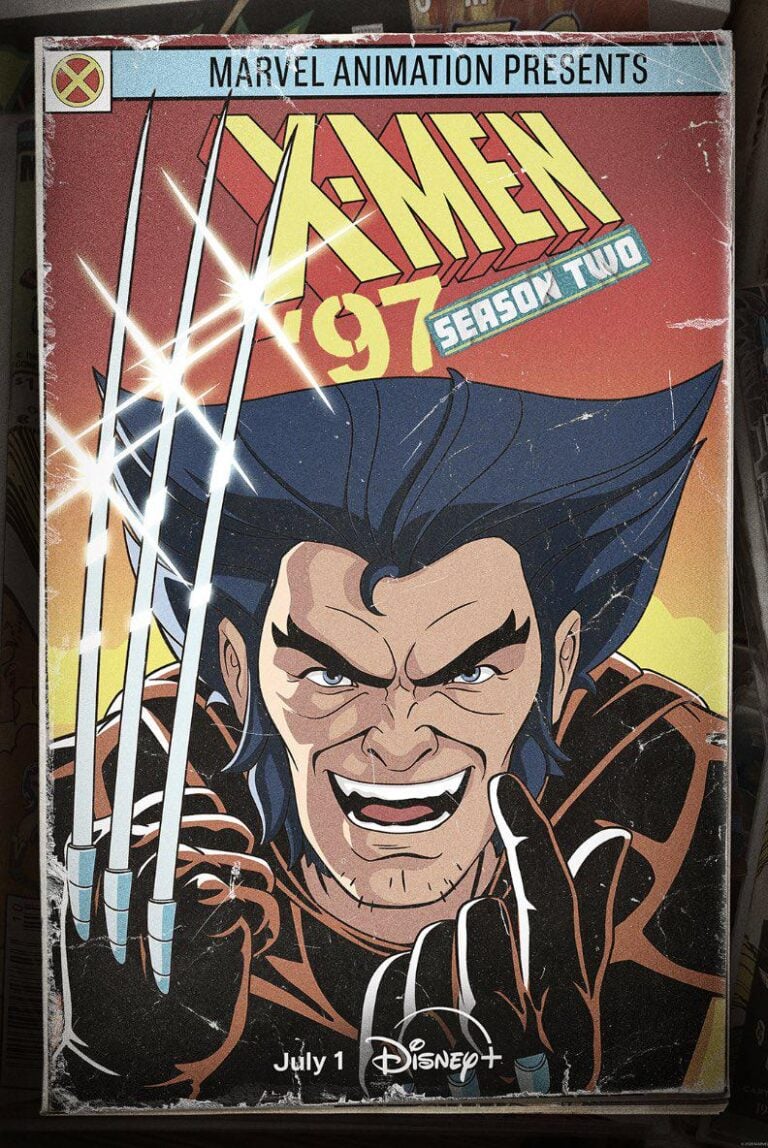
Marvel Animation recently confirmed X-Men ’97 Season 2 is locked in for a July 1st release date. While the explosive trailer instantly ignited fan anticipation, it also highlighted a massive disparity. The excitement, energy, and curiosity of fans over this latest season stand in contrast to the state of the X-Men comics. Not just the recent ones, but of the direction of the X-Men comic line over the last 20 years. While there have been iconic, energizing stories, a problem in X-Men comics has long beset the line.
Brand synergy is often seen as a bad phrase in the comic book world. A dangerous one even. To many, the idea that movies and TV could impact comic books is seen as an infringement on comic canon and the creative spirit of the writers and artists who work on it. But the movies and television that Marvel produces have been hugely successful and often critically beloved. They reach an audience comics simply do not anymore. And there may, in that success, be lessons comic books could learn from.
X-Men, as a comic book line, remains one of Marvel’s most successful and famous. But it is far from perfect. Unlike the dizzying heights it reached in the 1990s, the X-Men are a prominent but supporting player in the comics ecosystem, and even within the Marvel comics universe. Exciting initiatives such as Krakoa have had sales success but faded away without restoring the X-Men brand to the glory days.
But it is X-Men ’97 that has penetrated the public consciousness and revitalized the brand for many. Yes, nostalgia is at play. But what are comics but an exercise in nostalgia? Characters such as Cyclops, Rogue, Gambit, and Magneto obtained viral fame and new fans and appreciators in a way that comics have failed to do for 25 years. With another season looming, it’s important now to look at what the X-Men comics can learn from X-Men ’97.
1. Stop Shelving the Most Iconic, Core Characters
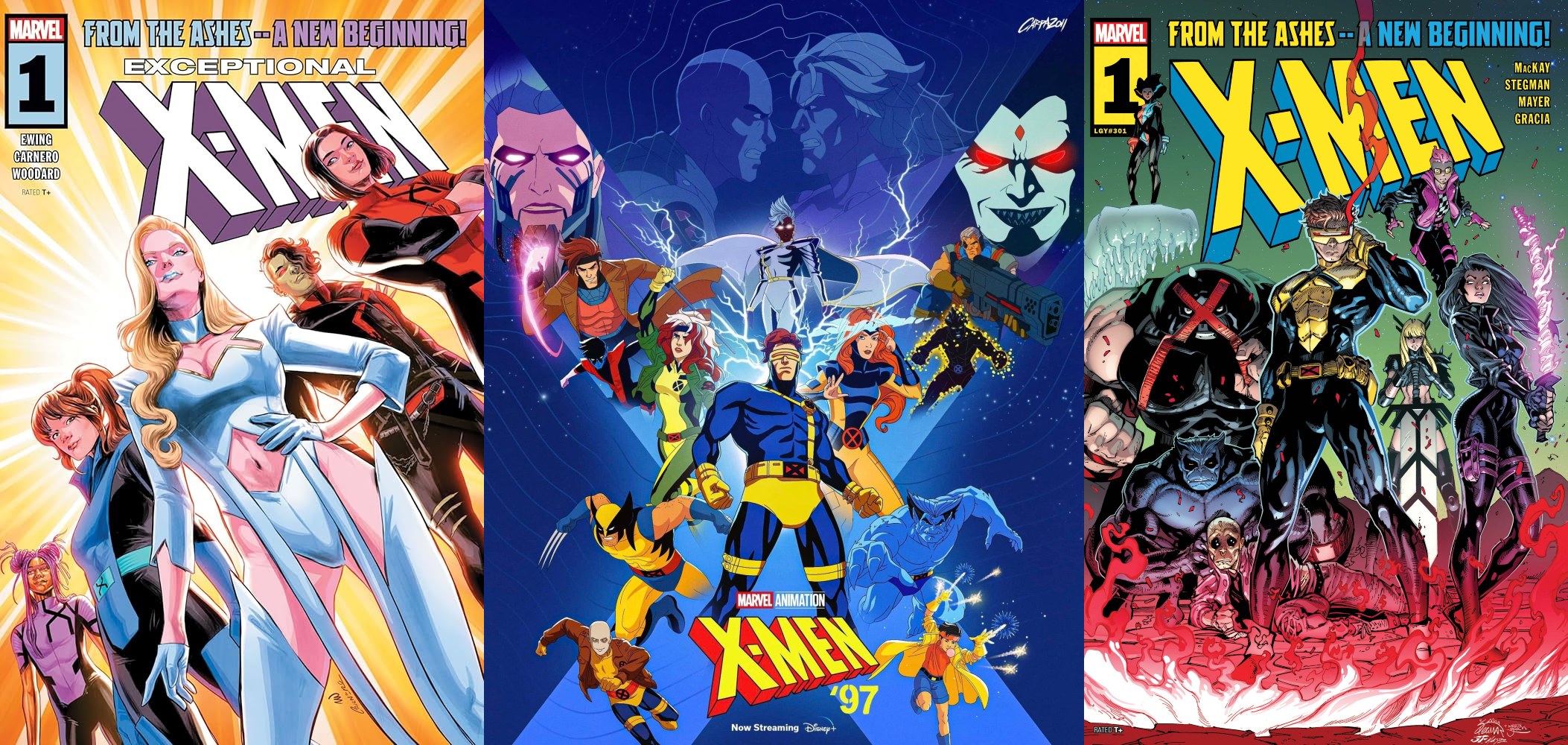
There’s nothing wrong with leveraging new or less familiar characters, whether it’s the Outliers in Uncanny X-Men, Temper and Quinten in X-Men, or Bronze, Axo, and Melee in Exceptional X-Men. But there is a weakness in the team’s composition when crucial heavyweights of the X-Men brand for decades, such as Magneto, Storm, and Jean Grey, are shelved in favor of these characters. Or when lesser-known X-Men like Kitty Pryde and Emma Frost are expected to carry their own title without other top-tier X-Men characters to support them.
X-Men ’97 focuses on a core cast of some of the X-Men line’s most iconic characters. Cyclops, Jean Grey, Rogue, Magneto, Gambit, Storm, and Professor X were arguably the key characters of Season One, and the supporting cast was rounded out with X-Men heavyweights like Wolverine, Nightcrawler, Beast, Cable, and Jubilee. Even less featured but still prominent characters included Forge and Bishop, both with decades of history.
Marketable, accessible characters are a key entry point to any story. The show would not have fared as well if it had chosen a more experimental cast, as the previous animated X-Men series, Wolverine & the X-Men, did. In fact, X-Men ’97 has kept its focus on the brand’s biggest, most iconic characters. And while comic fans may feel that new blood is needed in modern comics, the series balances the introduction of supporting cast members and new faces much better than most comics do. Sunspot is as unfamiliar to general audiences as Axo may be to comic readers. But one certainly left a greater mark and had a more coherent story arc than the other, and it wasn’t Axo.
When the supporting cast comprises rich characters with long histories like Sunspot, Bishop, Forge, and, in the latest season, Colossus and Psylocke, then your story is in a healthy place, maximizing and taking full advantage of the brand and wide cast of characters. The most prominent are featured heavily and given the bulk of the stories, but supporting characters who have their own dedicated fanbases can still expect some focus.
Comic books are too concerned freshening up the casts of characters and adding variety before they take care of story opportunity and consider marketability of their comic books. It stands to reason that a story with famous characters will get more eyes on it.
So, the lesson the X-Men comics can learn from X-Men ’97 is to maximize and make full use of the wide, iconic cast of characters the X-Men has, and sell more comics to readers that focus on these famous characters together.

2. Embrace Frenetic Pacing to Build Real Narrative Momentum
By the fifth episode of X-Men ’97 Season One, Nathan had been born and sent to the future, Master Mold had been fought and defeated, Storm had been depowered, two simultaneous love triangles were playing out, Jean Grey had been revealed to be Madelyne Pryor and Jean Grey returned, and to cap it all off, Genosha was destroyed in a violent, shocking Wild Sentinel attack that took the lives of several mutants, including one of the most iconic members of the X-Men.
Halfway through any given X-Men comic run, and you’ll be lucky for even two of those plot points to have played out.
X-Men ’97 Season One earned its fair share of criticism for the speed of its storytelling and the overall pacing, but it’s undeniable that the swift, frenetic, brutal pace provided episodes that engaged the viewers and led to iconic, memorable moments. The rest of the season slows down, but only a little. There’s still conflict among the X-Men, the return of Charles Xavier, the resolution of some love triangles, showdowns with Bastion’s Prime Sentinels, and a thrilling conclusion that has the X-Men fight Mister Sinister and Bastion and stop a meteor.
Plenty happens, and each episode packs a punch and allows the characters to get the spotlight in their own ways.
Comic issues are not television episodes. They have their own pacing, and there is only so much that can be achieved in a 20-page comic issue. Yet, even longer arcs and full trade paperbacks can fail to advance stories in meaningful ways. The lack of cohesion and a long-term goal have damaged many X-Men comics over the years. The slow pacing has done even more damage.
X-Men ’97’s lightning-fast storytelling has its own faults, but it is not lacking in excitement. X-Men comics of the last 30 years have struggled at times to capture a sense of energy and quicker, faster storytelling with meaningful payoffs. It’s something they would do well to learn from, by looking to the work that is adapting their stories better than they do.
3. Revive the Classic Mutant Soap Opera and Team Social Dynamics
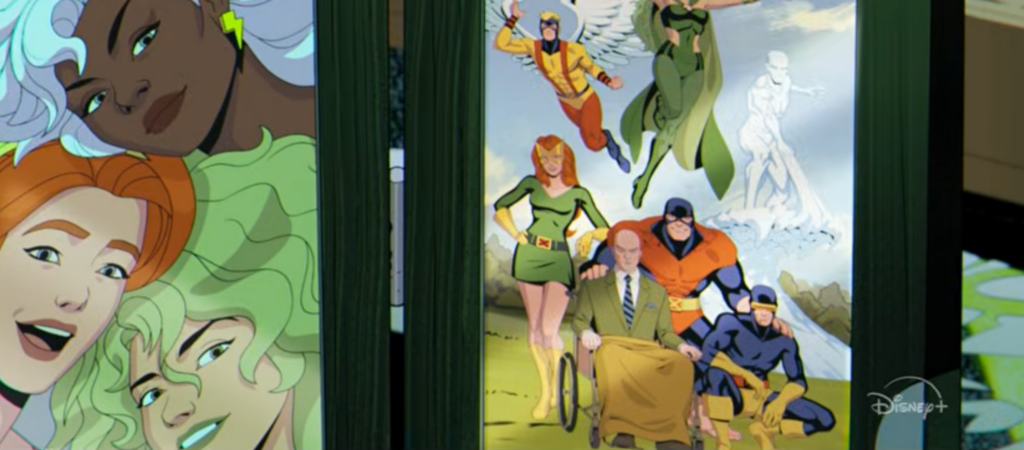
X-Men comics of the ’70s, ’80s, and ’90s were famed for their soap opera storytelling. This often boils down to love triangles and romantic entanglements, but this is a reductive view. Like soap operas and other popular serialized television shows that inspired the likes of Chris Claremont, Louise Simonson, Alan Davis, John Byrne, Fabian Nicieza, and Scott Lobdell, the X-Men comics were rooted in the strong social dynamics of the cast. Melodrama, romantically or platonically, was always a core part of the story and the character arcs.
X-Men ’97 successfully brings this aspect to the page, with a moving conflict among Rogue, Magneto, and Gambit over Rogue’s affections, leading to increasing alienation Rogue feels from the other X-Men in the aftermath of Genosha. Cyclops and Jean Grey’s relationship is a core part of the season, with the husband and wife put in an impossible scenario where their bond is tested and mature discussions over the realness and strength of their feelings, as well as parenthood, are brought to the fore. The endurance of their love, Rogue’s return to the X-Men, the dramatic philosophical debate between Xavier and Magneto are crucial parts of the season and provide some of the most memorable scenes and moments to fans years after the season was released.
Today’s X-Men comics lack the social dynamics of eras past. It’s not a new problem either; the erosion of the portrayal of X-Men friendships and of depictions of downtime and warmth among members began in the mid-to-late 2000s and continued at full speed well into the 2010s and continues to this day. To be sure, some writers, such as Gail Simone, are trying to recapture the old magic that Claremont infused into the brand. But these examples are few and far between, and the effectiveness is not the same.
Romance in Marvel Comics feels dead at times. Few writers seem willing to depict relationships on the page or long romantic arcs in which characters fall in love. Temper and Ransom had met on page once, and just for a page, before they were suddenly dating in the Hellfire Vigil #1 special last year. Jitter and Calico’s relationship in Uncanny X-Men (2024) was likewise quite rushed. Jed MacKay seems to forget that any of his characters are romantically involved at all, with the exception of Psylocke, very recently.
Romance isn’t the only avenue for exploration; it’s just the area most direly affected. But even platonic friendship between characters isn’t depicted the same as it was, nor is drama between characters allowed to flourish and provide tension (although Eve Ewing may fix that with the depiction of a recent and entertaining schism between X-Men in X-Men United).
X-Men ’97 was as memorable as it was due to the rich social interactions between the characters. X-Men comics of 10-15 years ago can longer take inspiration from this, but the X-Men comics of today can.
4. Break the Status Quo by Repositioning Characters in New Roles
Wolverine is the main character, or the leader of a team. Cyclops is a brooding leader who makes compromising decisions that make others dislike him. Rogue is attached at the hip to Gambit and a jolly “mom friend” to those around her.
X-Men comics in 2006 and 2026 haven’t really grown all that much. Cyclops in Jed MacKay’s X-Men (2024) feels every bit the same wound-up leader who everyone quietly resents and who makes painfully isolating decisions with no friends or comfort. Wolverine was in half a dozen mini-series as the star and leader, just as he was in 2006. Rogue is very much the nurturing older figure to younger mutants. Magneto feels restrained now, just as he was 20 years ago.
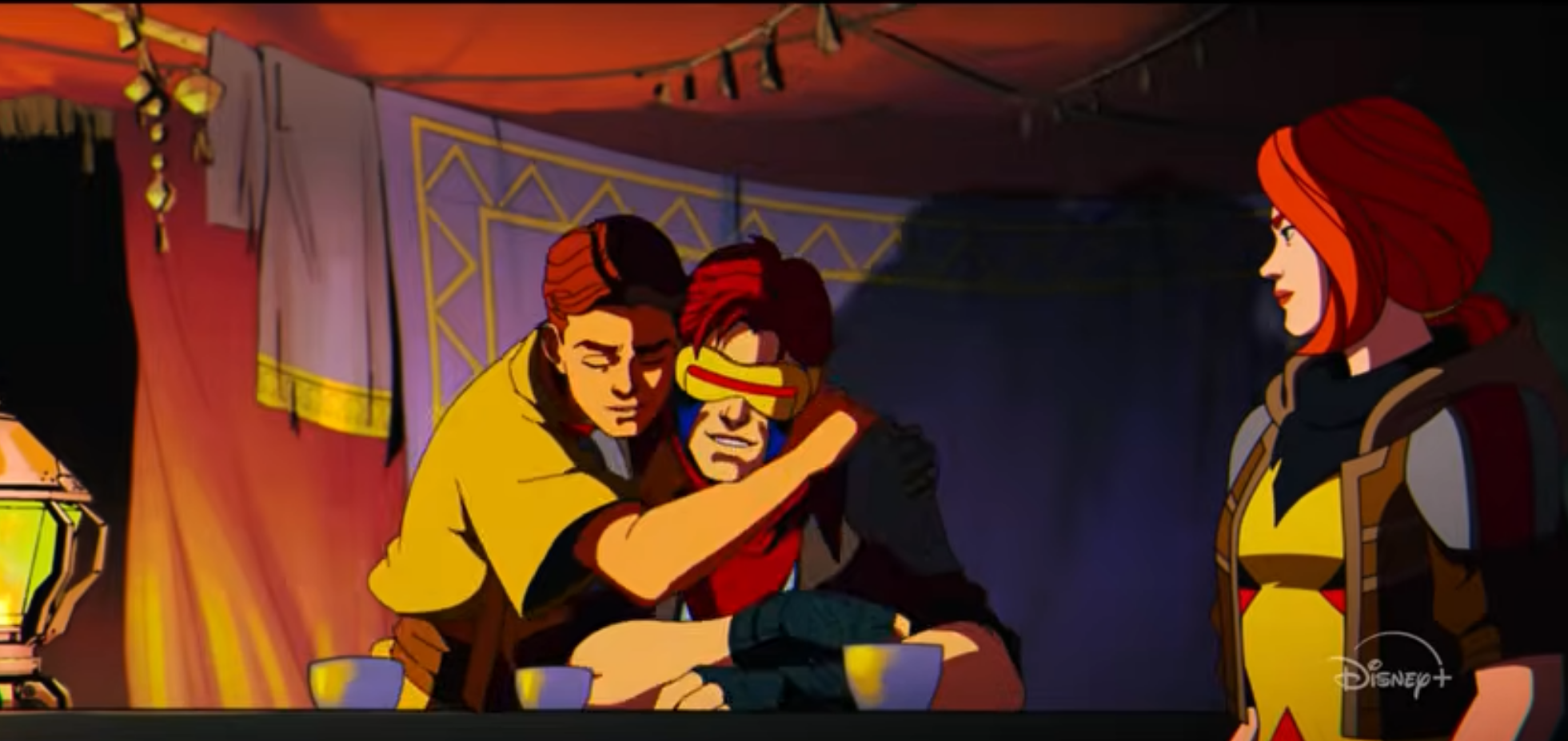
X-Men ’97, thanks to pulling from a wide variety of comic stories, is able to reposition characters and put them in a variety of positions that break from the cycle of the past 25 years. Wolverine is no longer the lifeblood of all comics, but a supporting player who adds to the stories of others, be it Cyclops and Jean Grey, or Morph and Nightcrawler. Cyclops is not a loathed freedom fighter, resented by others and isolated from the world, but a husband, father, and leader who makes decisions to support those he is entrusted with, with their affection and support in return. Charles Xavier is not just the morally compromised centrist, but a man with forward thinking ideas, genuine love for mutants and his students, and the capacity to help and redeems others. Magneto is a warrior and freedom fighter capable of great good just as much as he is evil.
X-Men comics feel beholden to what has predated them 20 years ago. The Quesada-era nostalgia is a company wide phenomenon it seems, with a World War Hulk brewing and Armageddon set to trigger some variation of New Avengers again. But these cycles and stories have dominated X-Men comics for 20 years. X-Men ’97 shows how viable it is to dip further into the past for inspiration and to look for new roles and ways to position iconic characters.
5. Trade Cynicism for Sincerity and Fun
Building on the previous point, X-Men ’97 draws on a range of eras and stories. The visual aesthetic is taken from the Dark Phoenix Saga era, back in the 1970s, toward the end of the story. Stories from the 1990s, such as Operation Zero Tolerance and Fatal Attractions provide the bulk of the overall story narrative in the season, with the 1980s stories Inferno and Lifedeath and the 2000s stories E for Extinction and portions of New X-Men used to help provide key moments for the story and for the characters.
Certain comic stories are reshaped, with Rogue, Magneto, and Gambit taking over the roles occupied by Emma Frost and Beast in Genosha, and the story is better off for it. New X-Men’s psychic affair recasts Madelyne in the triangle, an effective decision that makes the situation eminently more palatable and sympathetic to all those involved. Famous, but flawed stories such as Zero Tolerance and Fatal Attractions are improved and trimmed down, with a concise treatment that lends the stories more weight.
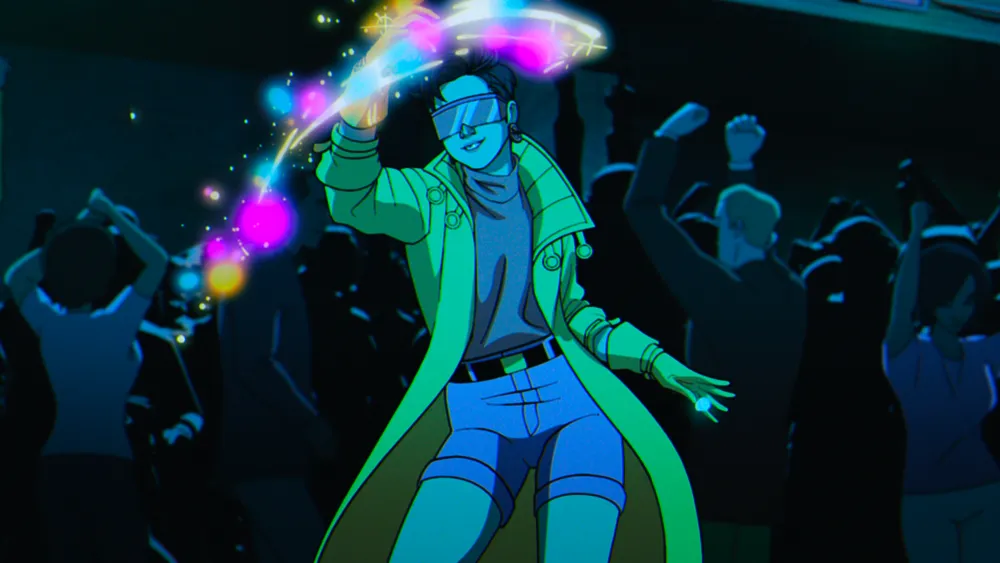
Above all, there is a sense of fun and earnestness in X-Men ’97. The ideals of Xavier and the X-Men at large are not treated as a flawed foundation that all other characters can hammer them with, as they have for the last 25 years in comics. Nor are the characters put beyond redemption for their mistakes. The sincerity of the series, such as in Cyclops’ appeal to Bastion, Xavier’s olive branch to Magneto, Jean’s desire to form a bond with Cable, Storm’s relationship with Forge recast as less cynical and more sincere; these moments add to the season and the moving nature of the storytelling.
X-Men comics are often cynical, self-critical, and overly defensive. The pall and tenor of X-Men comics darkened following Grant Morrison and Frank Quitely’s New X-Men and Marc Millar and Adam Kubert’s highly successful Ultimate X-Men. As the comics drifted into a more self-serious tone, something was lost.
Nostalgia is not the answer to the problems in the X-Men comics, a lesson they are learning now as the comics drown themselves in nostalgia for the time of Morrison, Whedon, Messiahs, and Decimations. But the farther past of the X-Men is one filled with success and iconic moments. X-Men comics began long before the year 2000. The X-Men office would be wise to take a look and see what can be made new and made better, just as X-Men ’97 is doing.