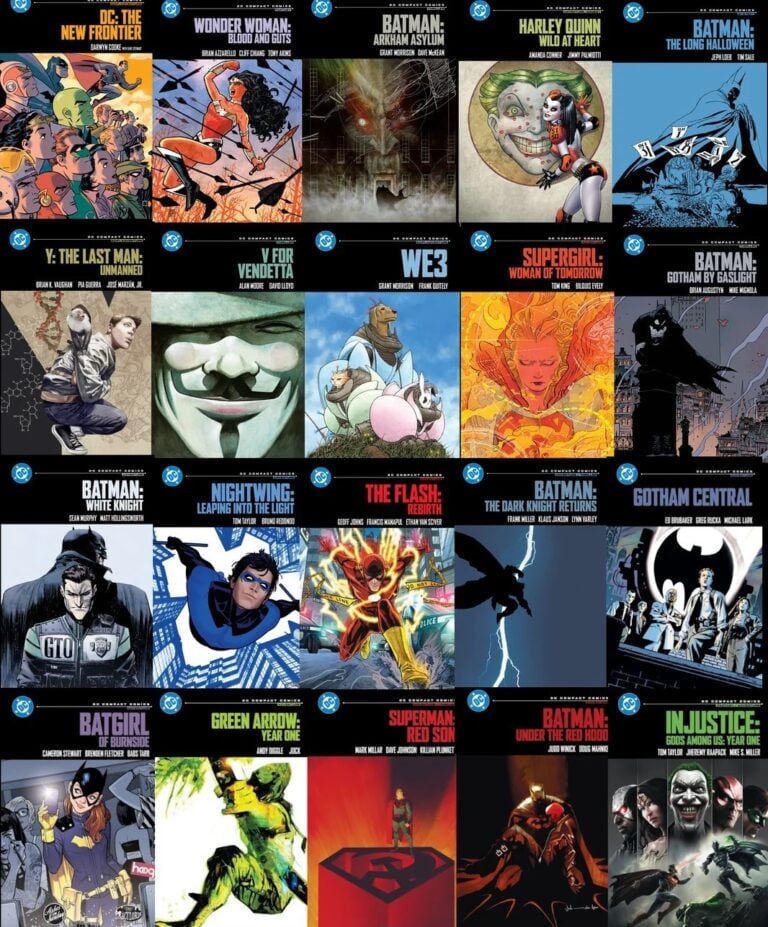
DC Compact Comics basically flipped the script on how we buy graphic novels. To keep up with how popular manga has become, DC started putting out these high-quality softcovers for just $9.99. Really, it’s a genius move. These books measure about 5.5 by 8.5 inches, so they’re super easy to toss in a bag and go. This shift was a huge deal because it made stories from icons like Grant Morrison, Scott Snyder, and Brian K. Vaughan way more affordable. On top of that, it opens the door for new readers who wouldn’t normally purchase the big, expensive, bulky trade paperbacks.
This size also makes the DC Universe feel way less intimidating. Since they’re so cheap and light, you can actually read them anywhere without a workout. Plus, the lineup isn’t just filler stuff either. It covers everything from DC’s Modern Classics, the New 52 era, and the prestigious DC Black Label imprint. It’s essentially a “greatest hits” collection that fits in your back pocket.
We’re treating this as a living, ongoing list. As DC announces more waves and the library grows, we’ll be adding them here to keep this guide definitive. Whether you’re a long-time collector or just starting out, these editions are the smartest way to build your perfect DC Comics library.
What Titles are Available in the DC Compact Comics Line?
- What Titles are Available in the DC Compact Comics Line?
- All-Star Superman
- American Vampire: Book One
- The Authority: Relentless
- Batgirl of Burnside
- Batman & Son
- Batman: Arkham Asylum
- Batman: Gotham by Gaslight
- Batman: Harley and Ivy
- Batman: Hush
- Batman: The Court of Owls Saga
- Batman: The Dark Knight Returns
- Batman: The Long Halloween
- Batman: Under the Red Hood
- Batman: White Knight
- Batwoman: Elegy
- Catwoman: Trail of the Catwoman
- Crisis on Infinite Earths
- Dark Nights: Metal
- DC: The New Frontier
- DCeased
- Fables: No More Happily Ever After
- Far Sector
- The Flash: Rebirth
- Gotham Central
- Green Arrow: Year One
- Harley Quinn & the Gotham City Sirens
- Harley Quinn: Wild at Heart
- Injustice: Gods Among Us: Year One
- Joker
- Justice League: Origin
- Kingdom Come
- Mister Miracle
- Nightwing: Leaping into the Light
- Static: Season One
- Supergirl: Woman of Tomorrow
- Superman/Batman
- Superman: Birthright
- Superman: Red Son
- Swamp Thing: The Anatomy Lesson
- V for Vendetta
- Watchmen
- We3
- Wonder Woman: Blood and Guts
- Wonder Woman: Earth One
- Y: The Last Man Book One
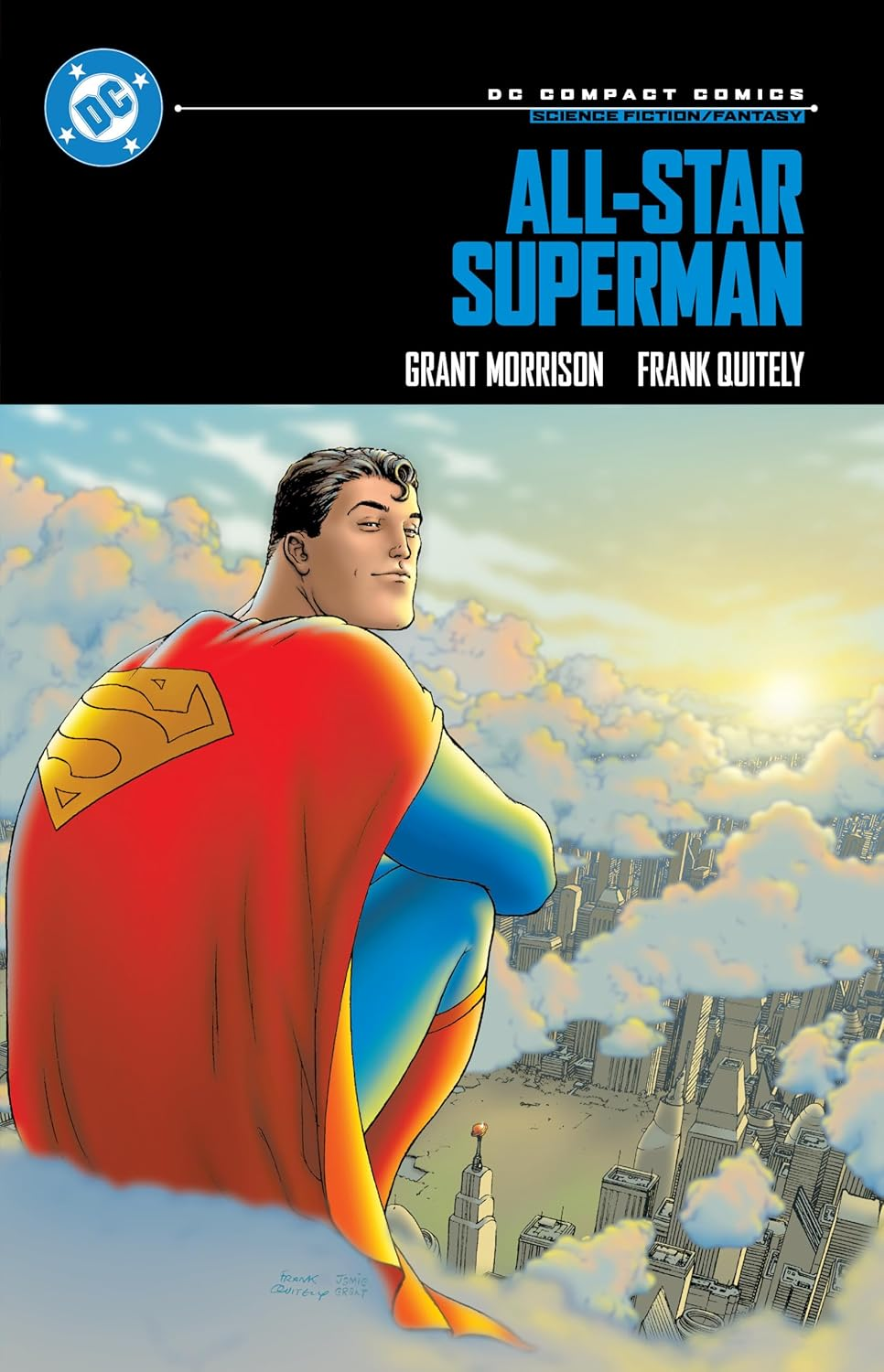
All-Star Superman
Grant Morrison and Frank Quitely created what many call the greatest Superman story ever told. It follows Clark Kent through twelve legendary labors as he faces his own mortality. It’s a bright, hopeful take on the character where Quitely famously spent weeks on individual panels to nail the specific vibrancy Morrison requested. The compact format preserves every stunning detail of that meticulous art while keeping the book incredibly affordable.
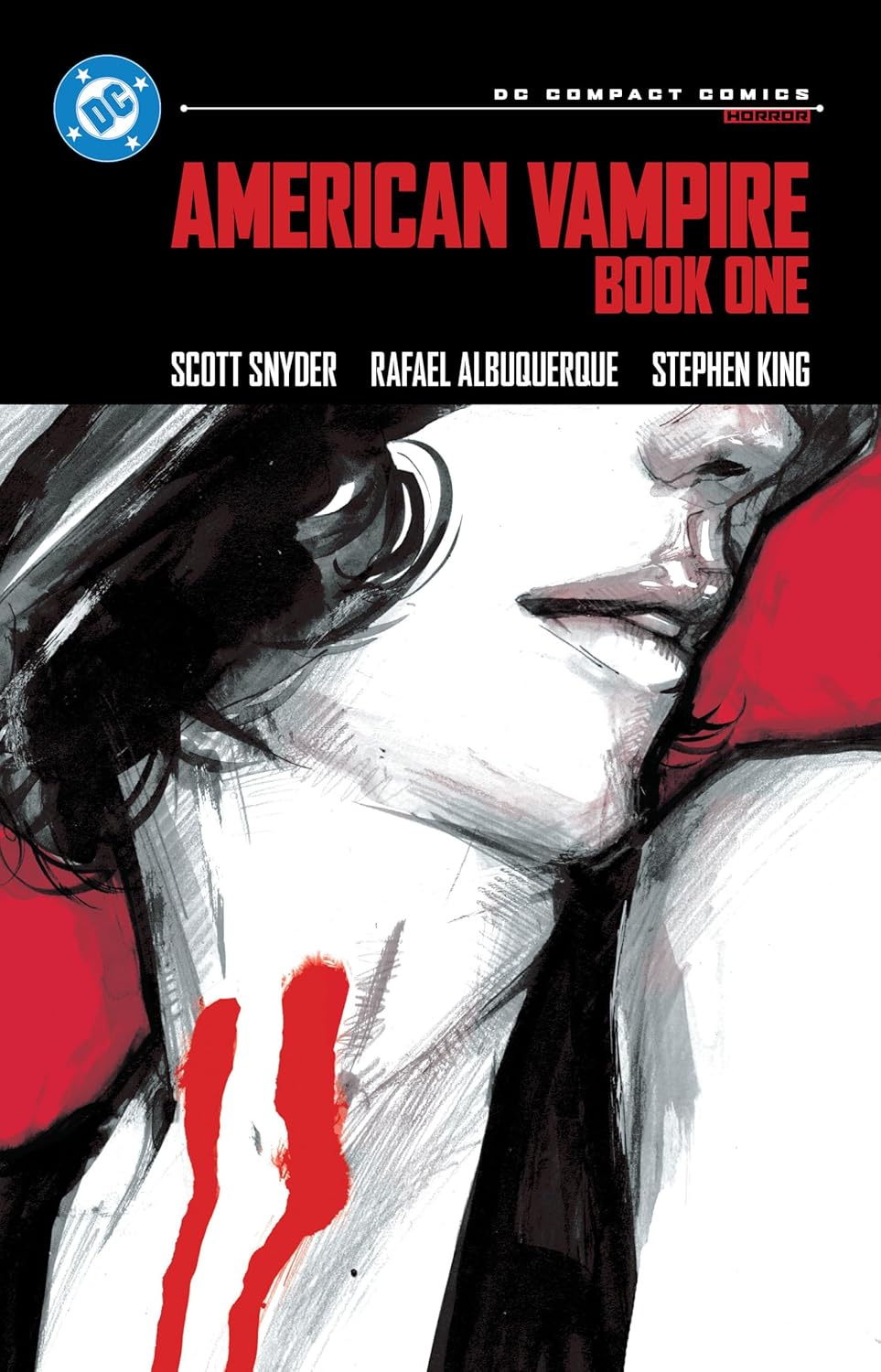
American Vampire: Book One
Scott Snyder and Stephen King teamed up to reinvent the vampire mythos for the modern era. This volume marks King’s first time writing an original comic book script and introduces Skinner Sweet, the first of a new, sun-resistant breed of bloodsuckers. It’s a gritty historical horror story that spans decades of American history. Rafael Albuquerque’s visceral art style translates perfectly to this smaller, more intimate size.
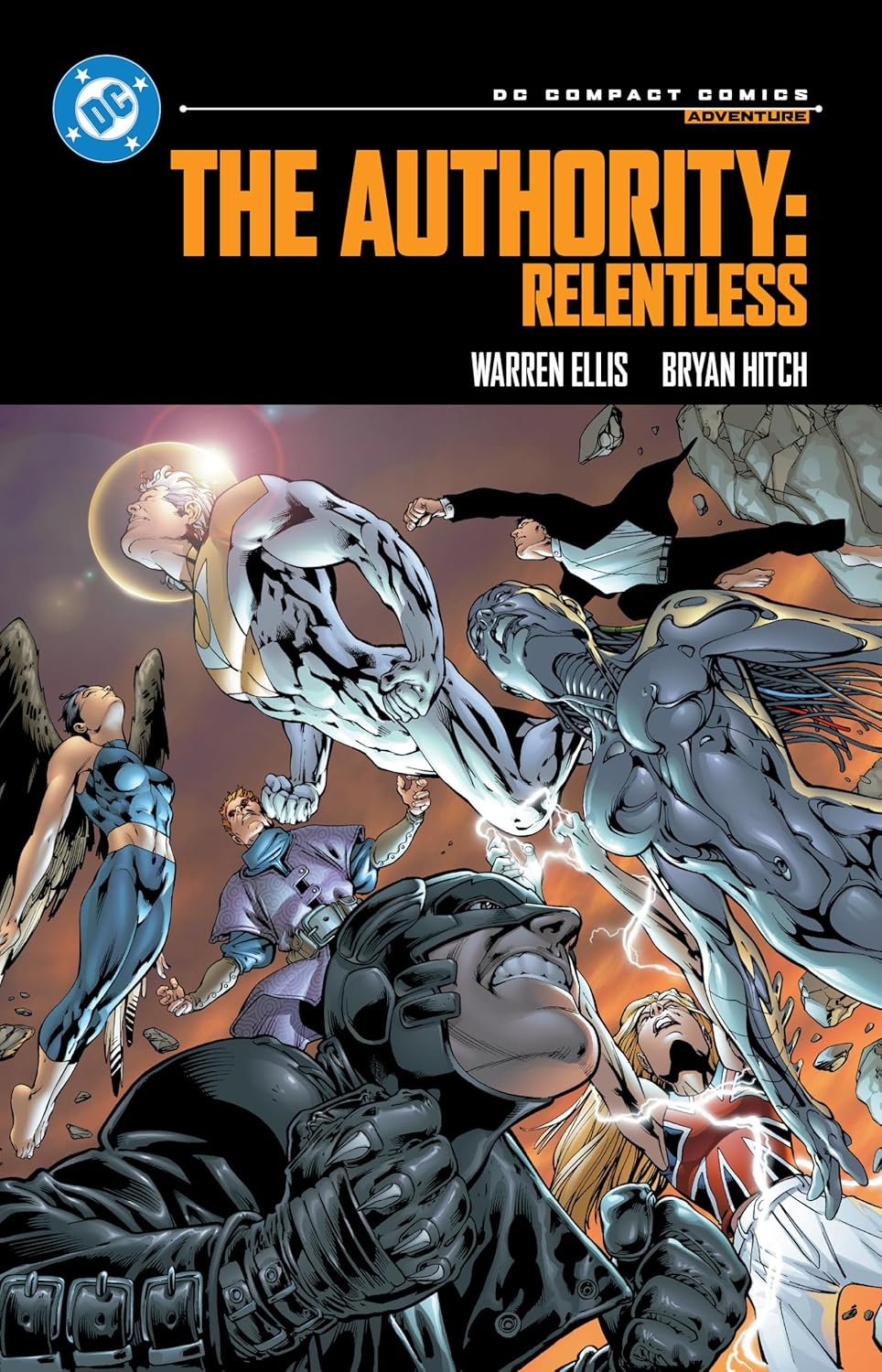
The Authority: Relentless
Warren Ellis and Bryan Hitch redefined the superhero team with this run. The Authority doesn’t wait for permission to save the world. They’re a proactive group dealing with global threats through force, and Hitch’s “widescreen” layouts here were a massive influence on the visual style of early Marvel movies. This is essential reading for fans of high-concept, large-scale action.
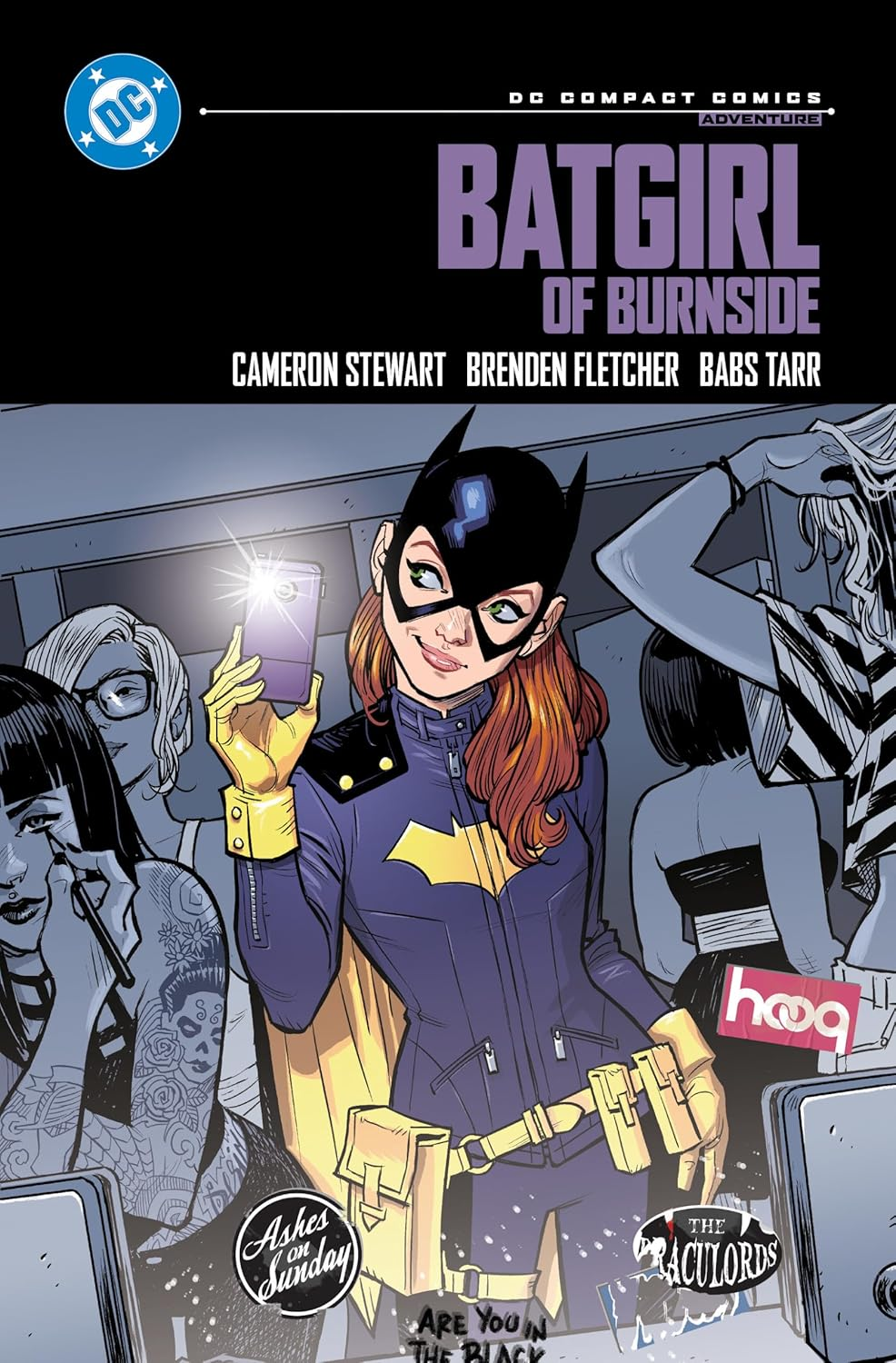
Batgirl of Burnside
Cameron Stewart and Babs Tarr gave Barbara Gordon a fresh, tech-savvy update. This volume sees Batgirl moving to a hip neighborhood in Gotham and dealing with modern, digital threats. The art is vibrant and heavily influenced by street fashion. That specific costume redesign became an overnight sensation in the cosplay community. It’s a fun entry point for younger readers.
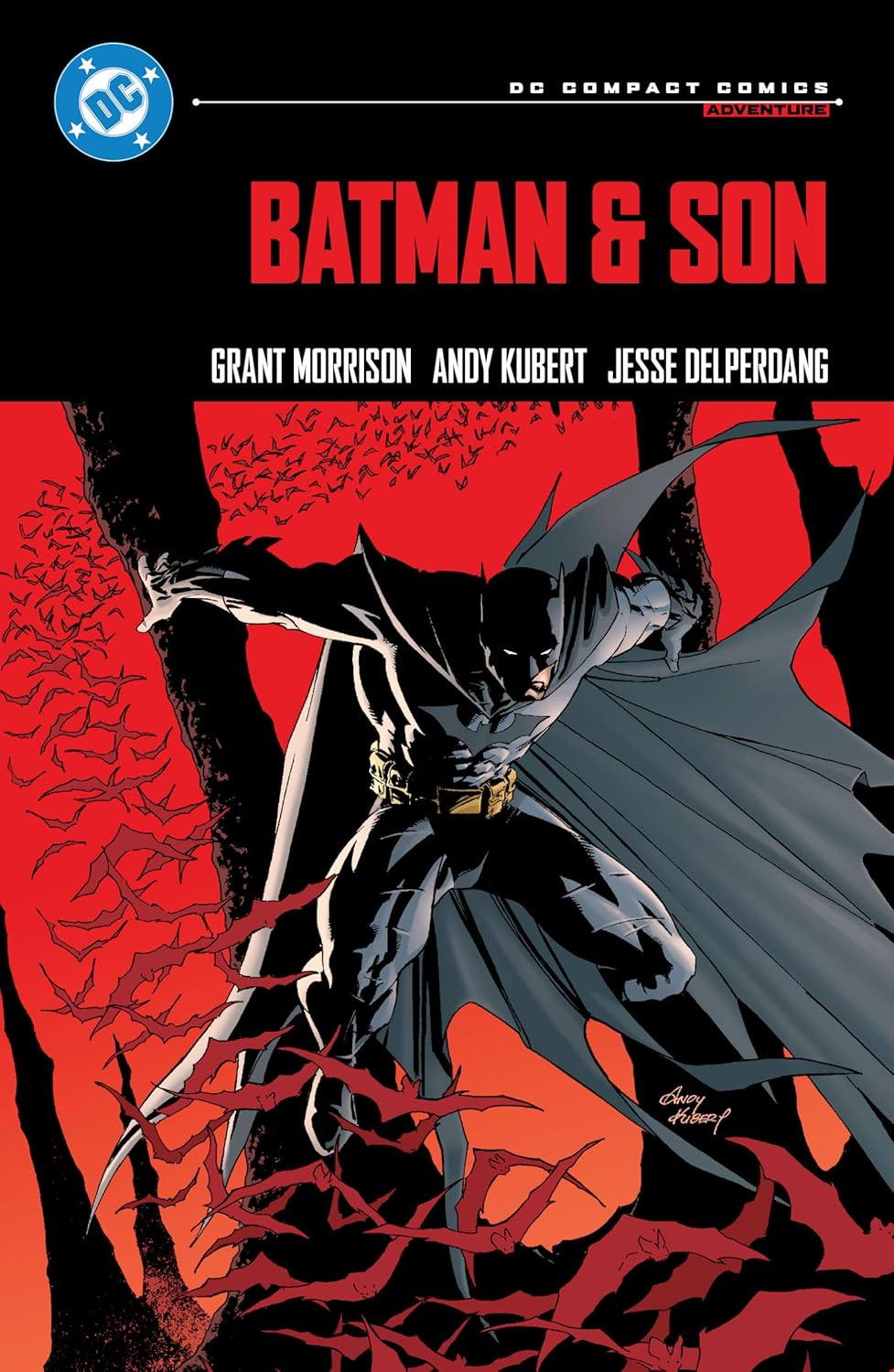
Batman & Son
Grant Morrison introduced Damian Wayne here. Morrison originally intended for the character to die at the end of the arc, but felt his energy was too strong to let go. Bruce discovers he has a son raised by the League of Assassins. The dynamic between the stoic Batman and his violent, arrogant child is a highlight of 2000s DC history. It sets the stage for years of complex family drama in Gotham.
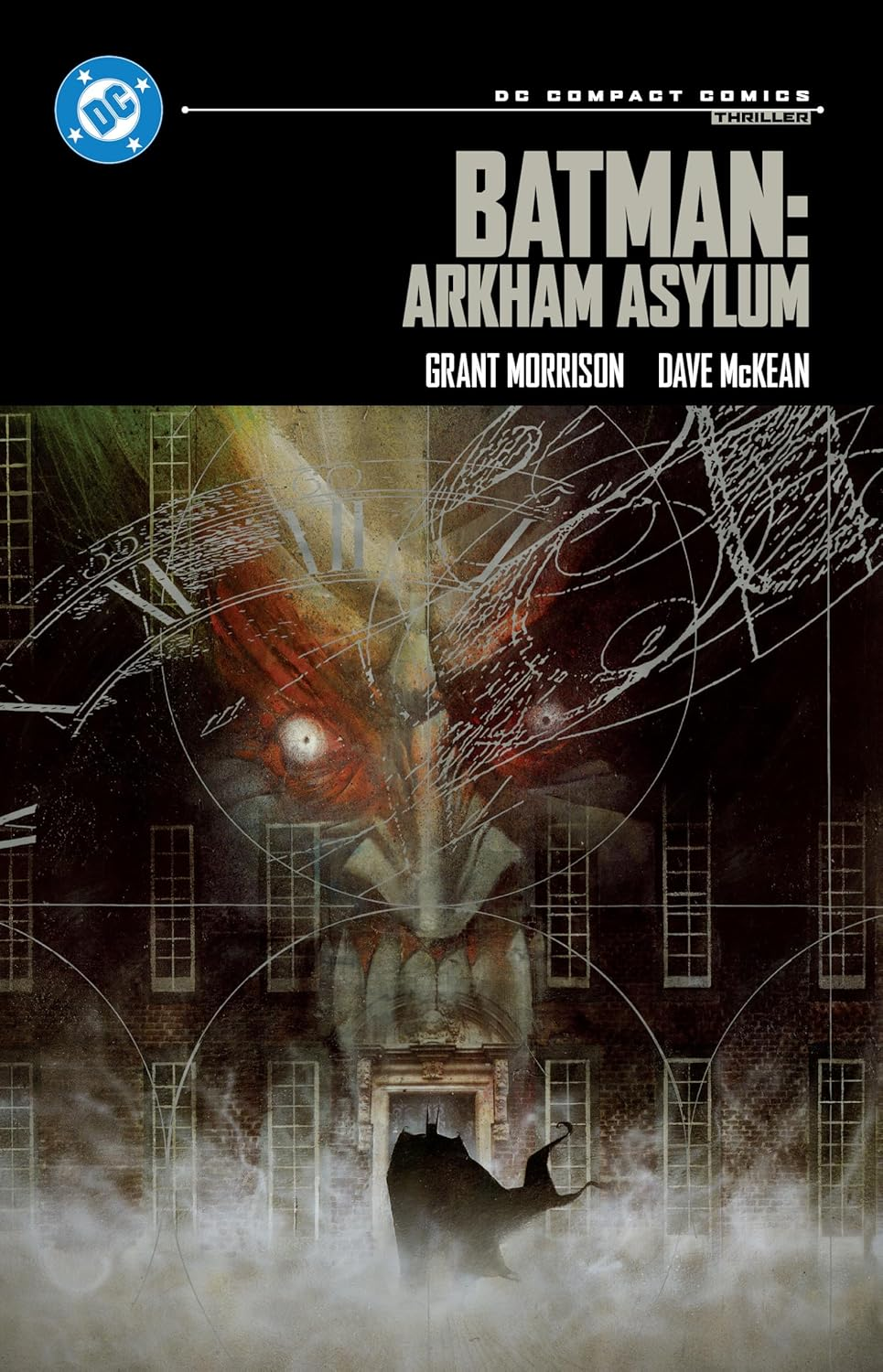
Batman: Arkham Asylum
This is a haunting, psychological journey through the corridors of Gotham’s home for the criminally insane. Dave McKean utilized real-world objects, photography, and sculpture to create the unique mixed-media art that makes the book feel like a fever dream. Grant Morrison’s writing explores the thin line between Batman’s sanity and the madness of his villains. It remains one of the most experimental and visually unique books DC has ever published.
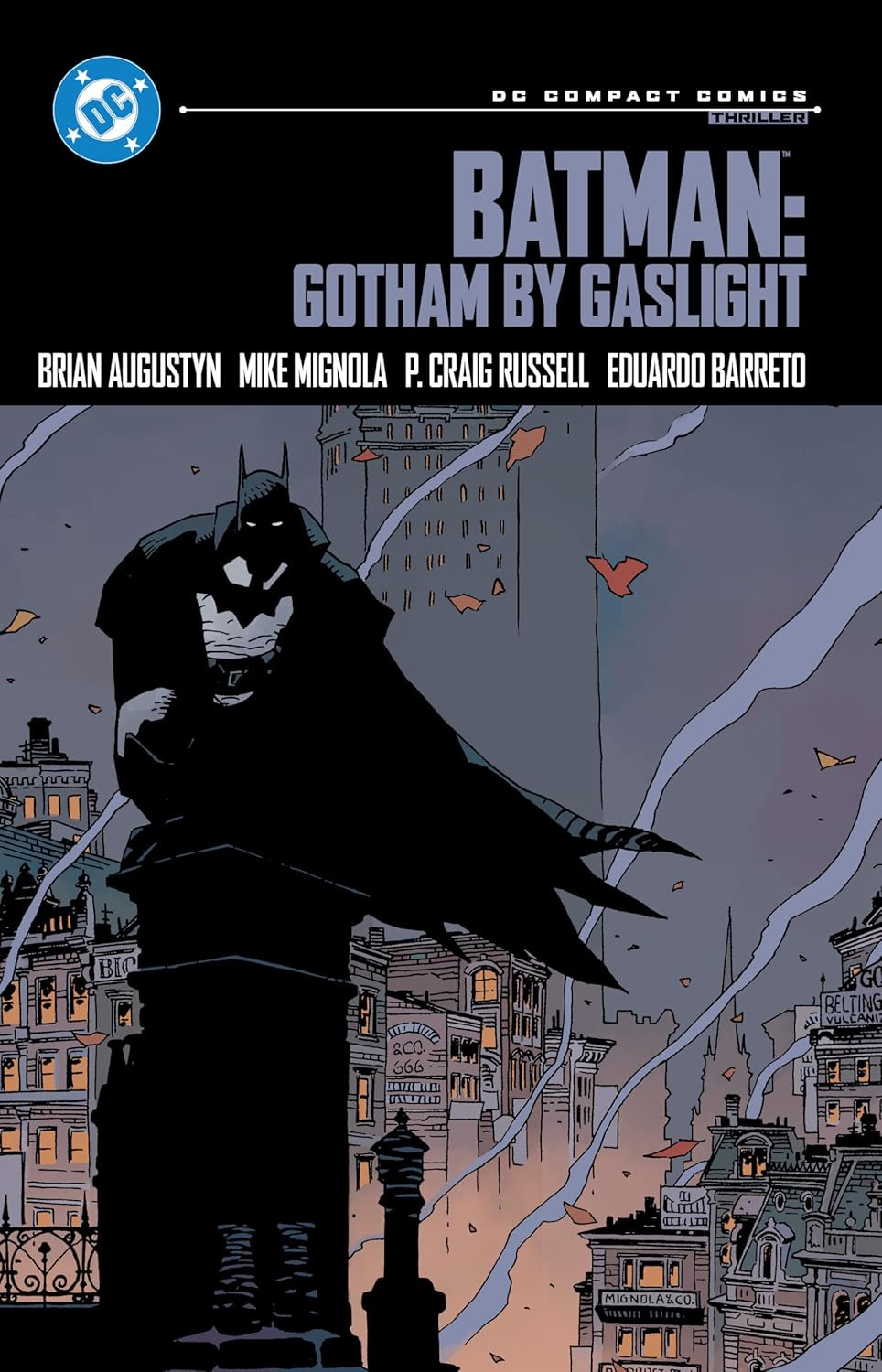
Batman: Gotham by Gaslight
Brian Augustyn and Mike Mignola created the catalyst for the entire “Elseworlds” imprint in this volume. It places Batman in a Victorian-era Gotham as he hunts down Jack the Ripper. Mignola’s moody, shadow-heavy art is a perfect fit for the 19th-century setting. It’s a short mystery that shows how well the Dark Knight fits into historical fiction.
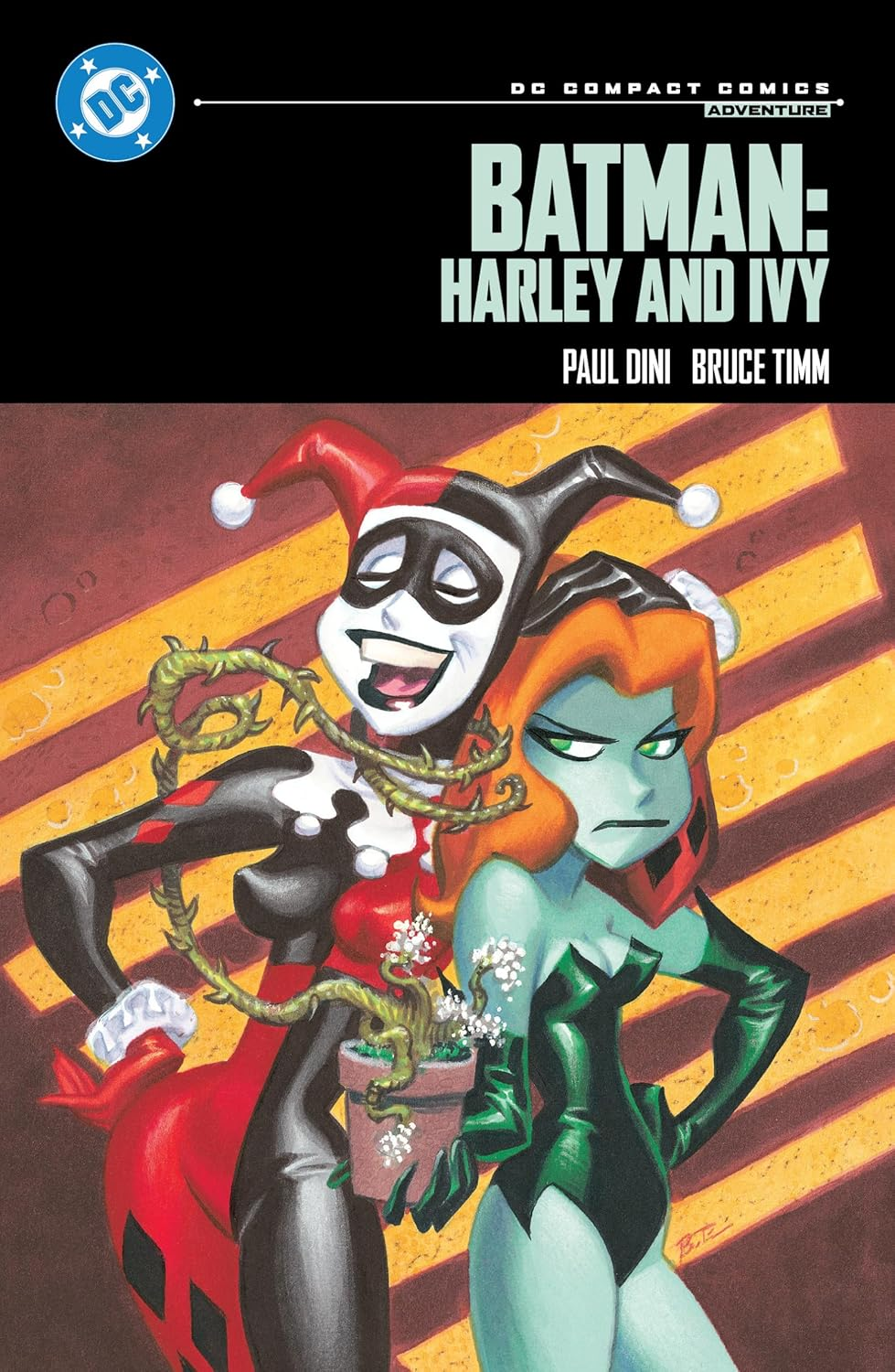
Batman: Harley and Ivy
Paul Dini and Bruce Timm brought the aesthetic of the animated series to the page. These stories feel like “lost episodes” of the 90s cartoon. It follows the chaotic adventures of Gotham’s favorite duo as they cause trouble for Batman and the city at large. The storytelling is fun, witty, and captures the perfect chemistry between Harley and Ivy. It’s a great pick for fans of the classic show.
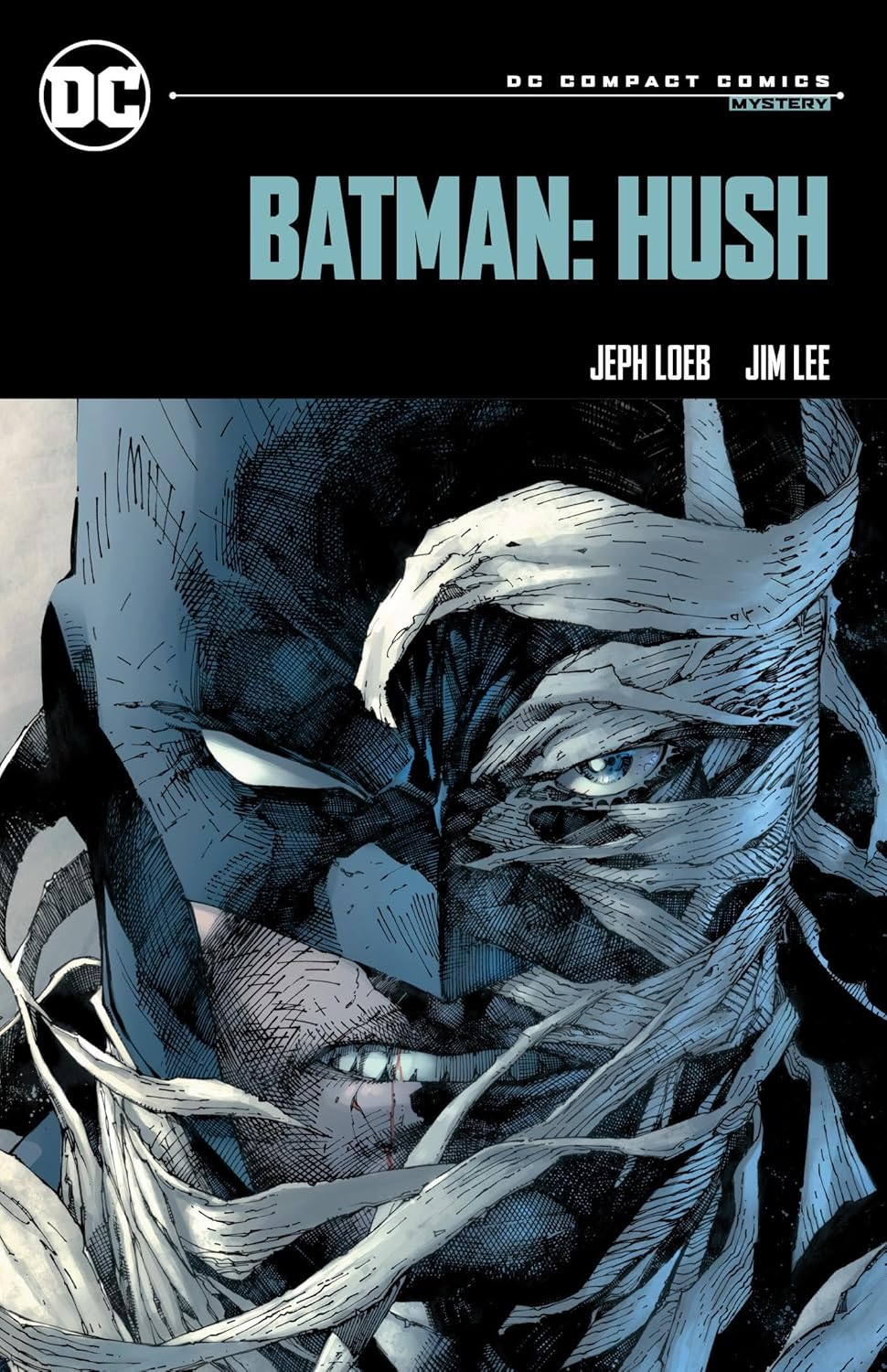
Batman: Hush
Jeph Loeb and Jim Lee delivered a blockbuster mystery that features nearly every major Batman villain. A new threat named Hush is manipulating Bruce Wayne’s life from the shadows. Jim Lee’s art is iconic. If you look closely at the city skylines, he often hides logos and easter eggs for his other properties in the backgrounds. It’s a fast-paced action story that serves as a perfect tour of Gotham.
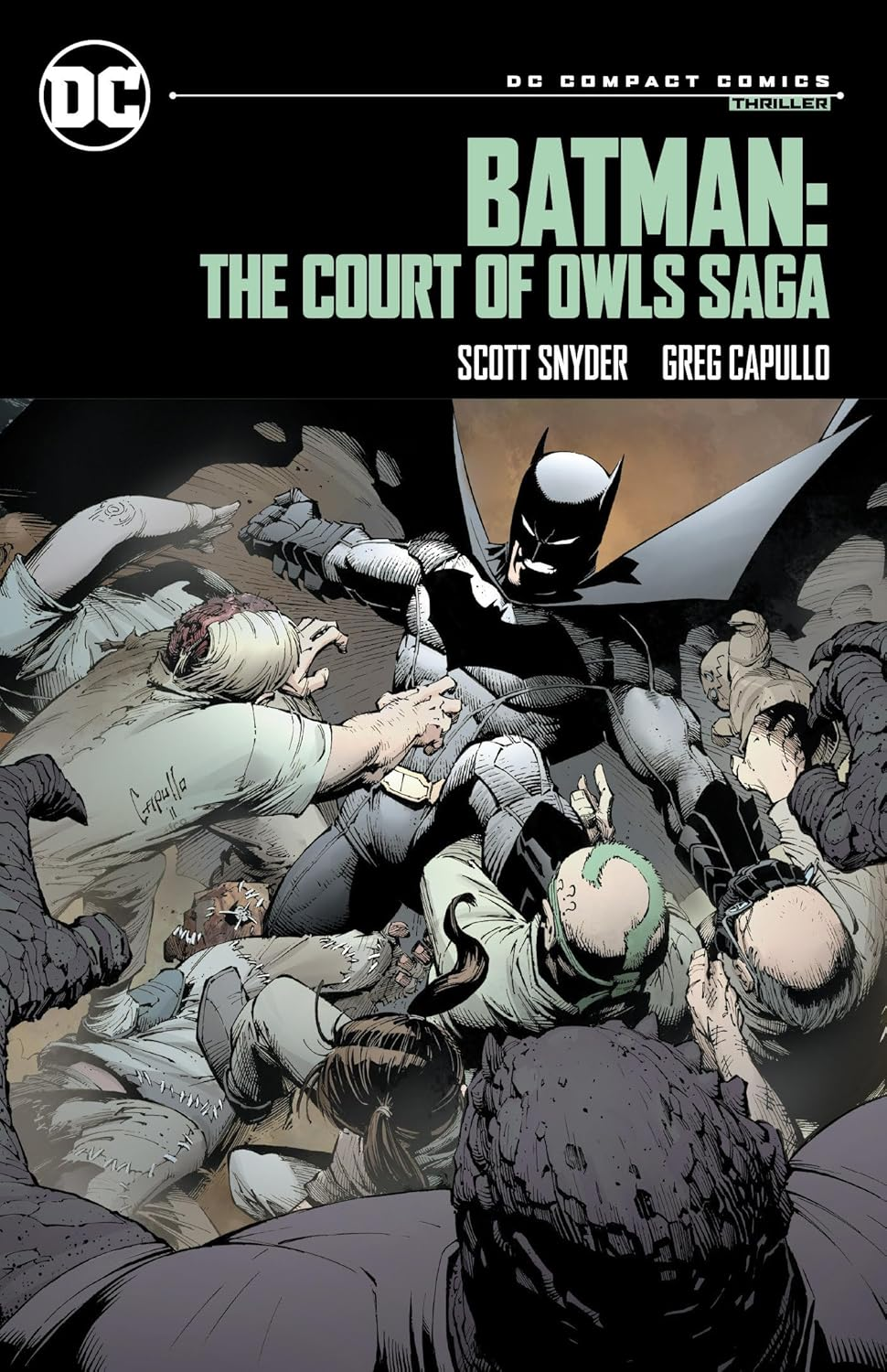
Batman: The Court of Owls Saga
Scott Snyder and Greg Capullo introduced a terrifying secret society in this New 52 classic. One issue was designed to be read by turning the book upside down to mirror Batman’s descent into madness. The Court of Owls has been controlling Gotham from the shadows for centuries, and they want Batman dead. It’s a high-stakes thriller that questions Bruce’s connection to his city. Capullo’s sharp, kinetic art makes this one of the best-looking modern Batman stories.
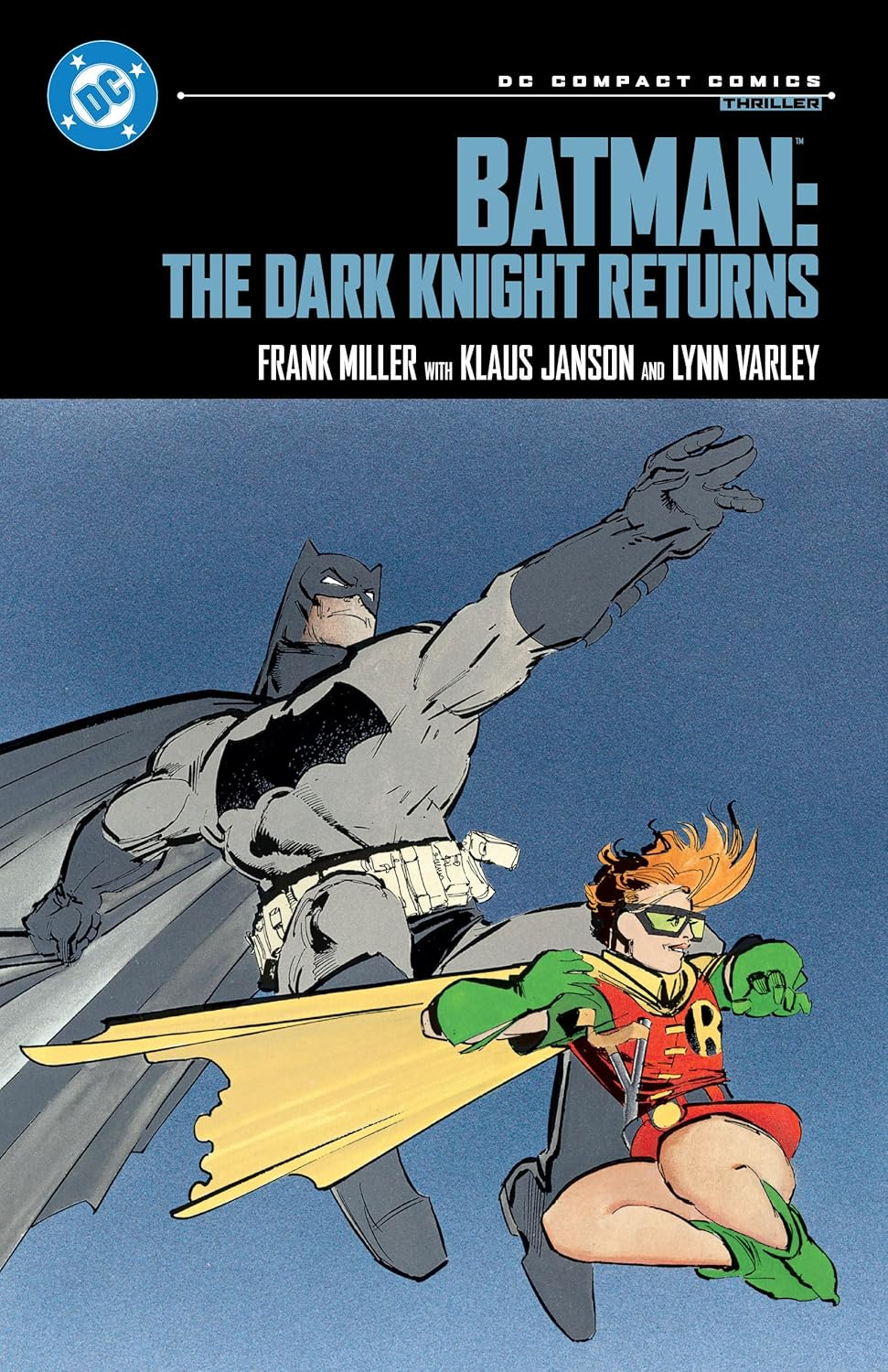
Batman: The Dark Knight Returns
Frank Miller’s 1986 masterpiece is arguably the most influential Batman comic ever written. It follows an aging Bruce Wayne coming out of retirement to save a crumbling Gotham. It’s a gritty, political deconstruction of the superhero myth that is widely credited with bringing the term “Dark Knight” back into the mainstream. Having this legendary work in a $9.99 format is a massive win for new collectors.
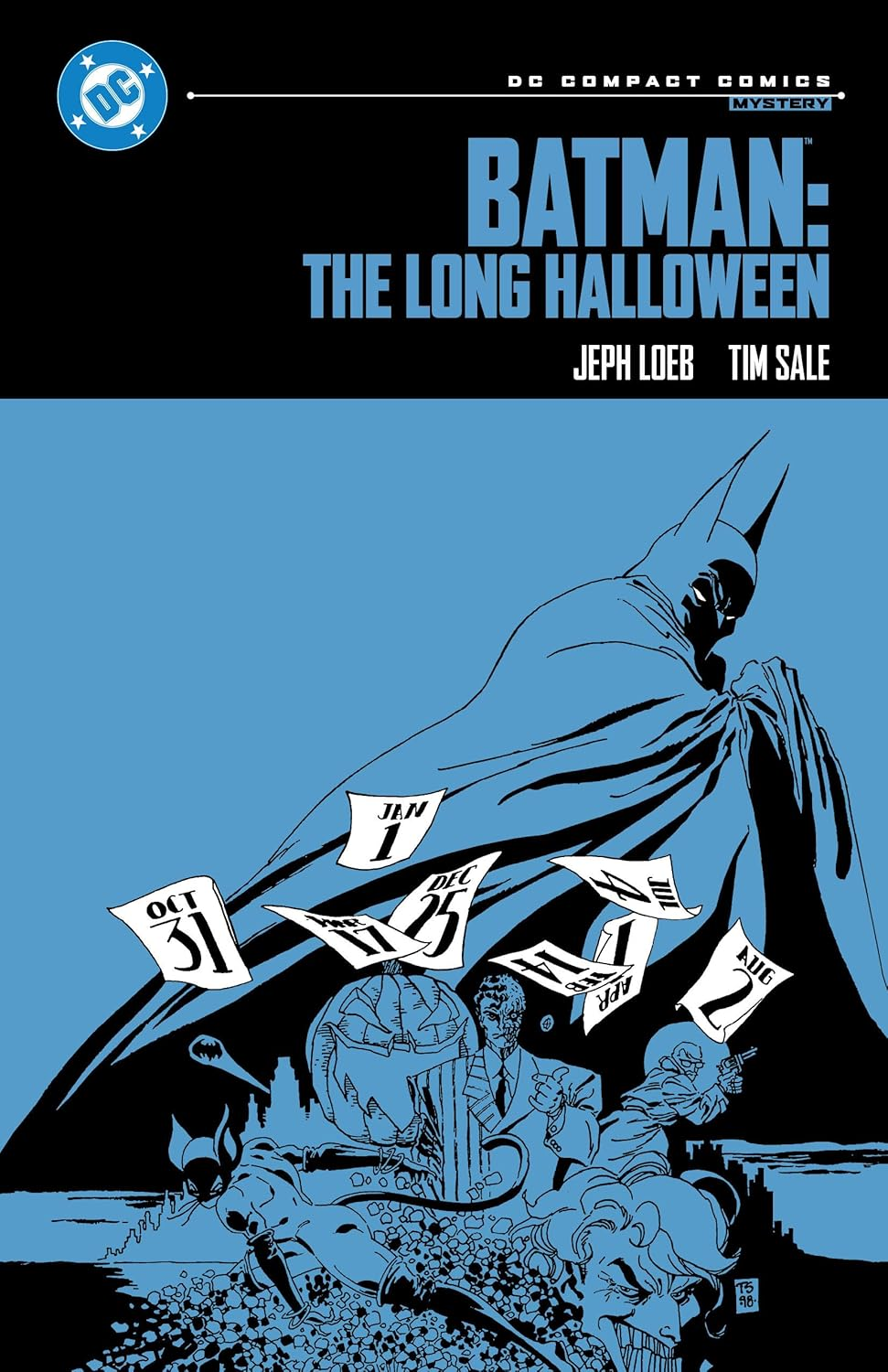
Batman: The Long Halloween
Jeph Loeb and Tim Sale created a masterpiece of noir storytelling. Christopher Nolan cited this as a primary inspiration for the tone of his Dark Knight films. A serial killer named Holiday is murdering members of Gotham’s crime families on specific holidays. It’s a moody detective story that also serves as the definitive origin for Two-Face. Sale’s use of shadows and exaggerated character designs is breathtaking.
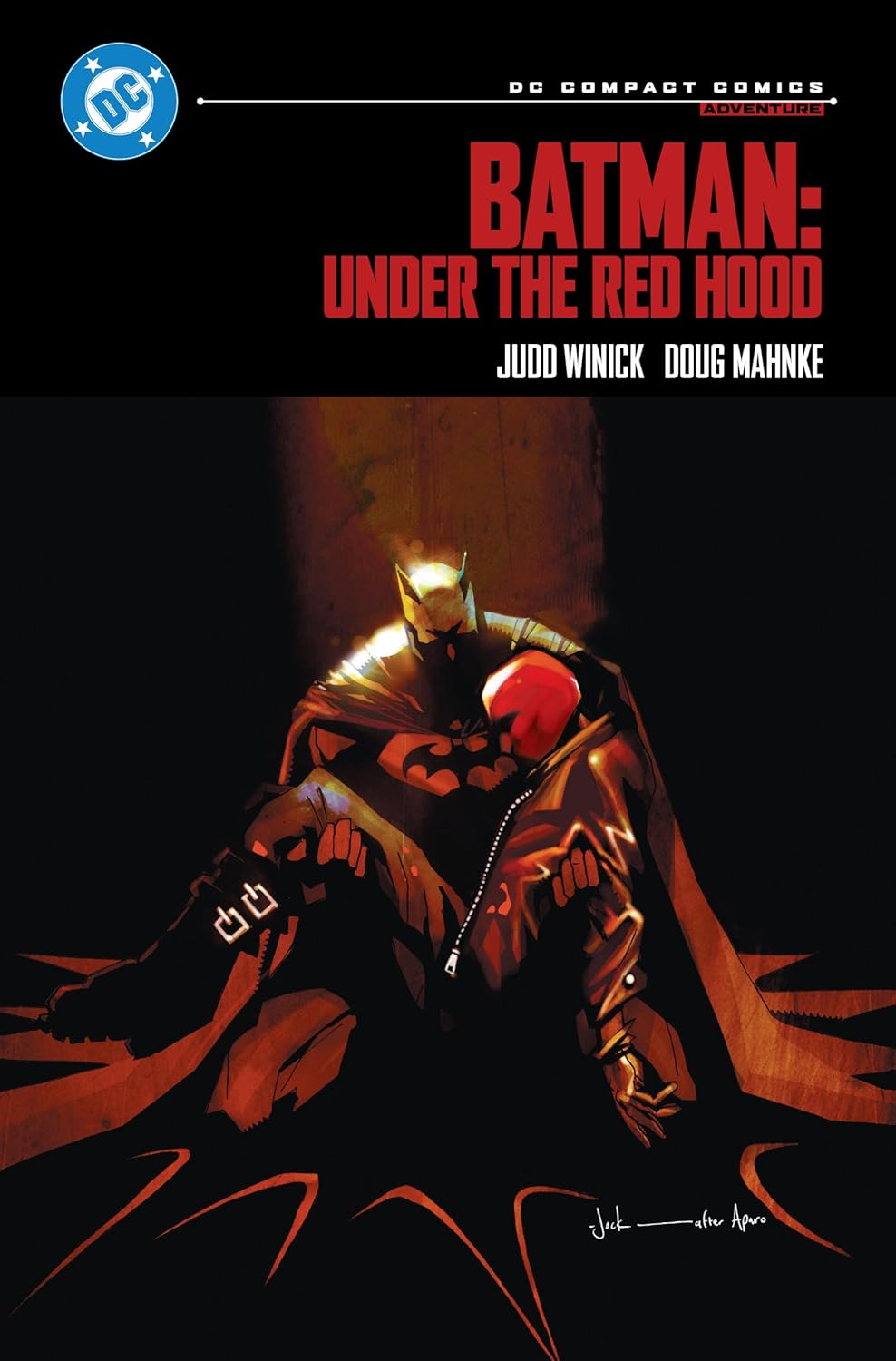
Batman: Under the Red Hood
Judd Winick and Doug Mahnke brought a ghost back to haunt Batman. They effectively reversed the 1988 fan vote that originally killed off Jason Todd. A new vigilante named the Red Hood arrives in Gotham, using lethal force to clean up the streets. The reveal of his identity forces Batman to confront his greatest failure. It’s a high-action story with a deep, tragic heart.
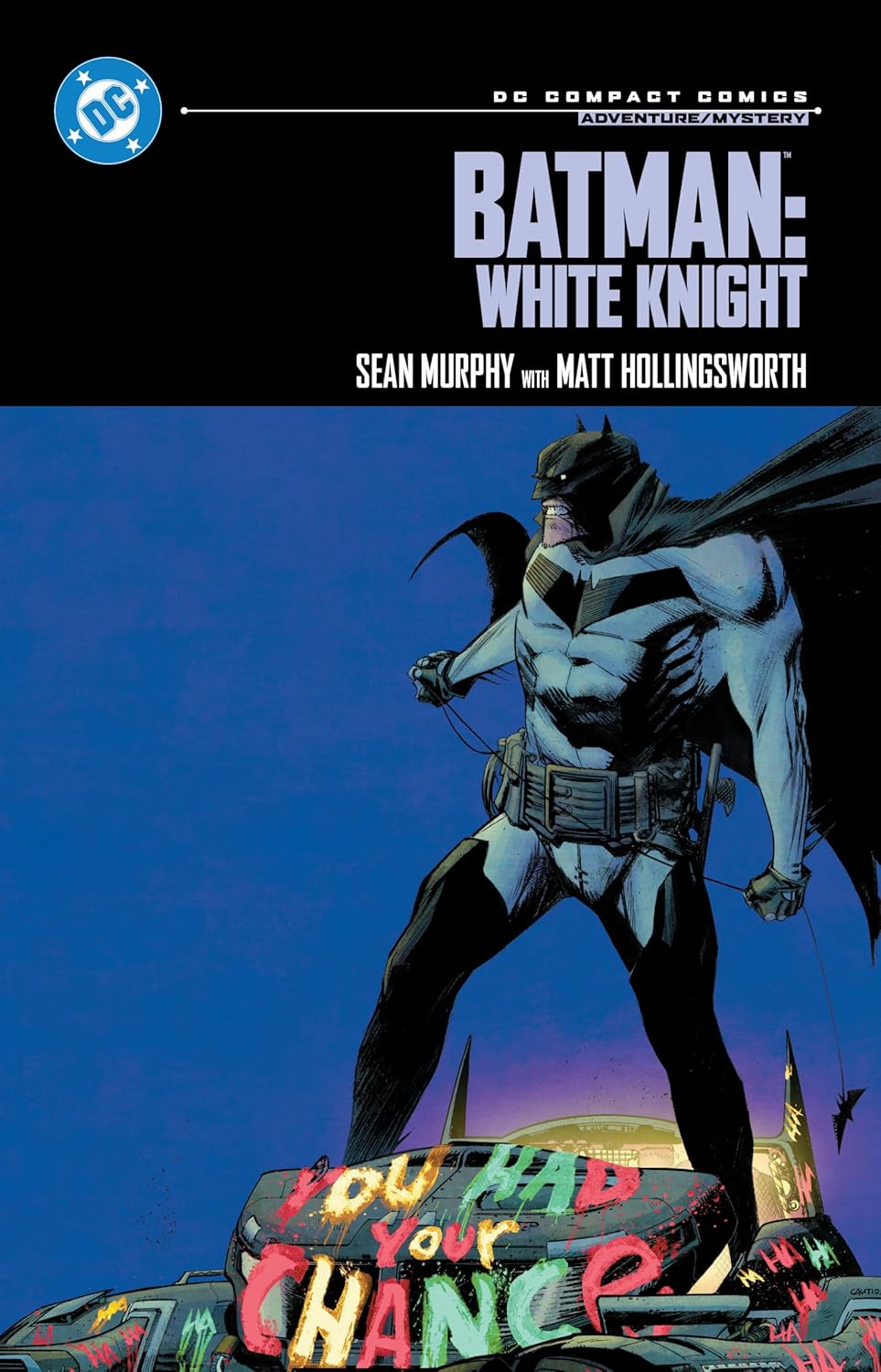
Batman: White Knight
Sean Murphy flips the entire Batman mythos on its head in this alternate-universe tale. The Joker is cured and becomes a politician dedicated to saving Gotham from the “menace” of Batman. It’s a gorgeous, detailed book. Murphy, a major car enthusiast, designed a custom Batmobile that blends the 1989 movie and 1966 TV versions. Murphy’s vehicle designs alone are worth the price of admission.
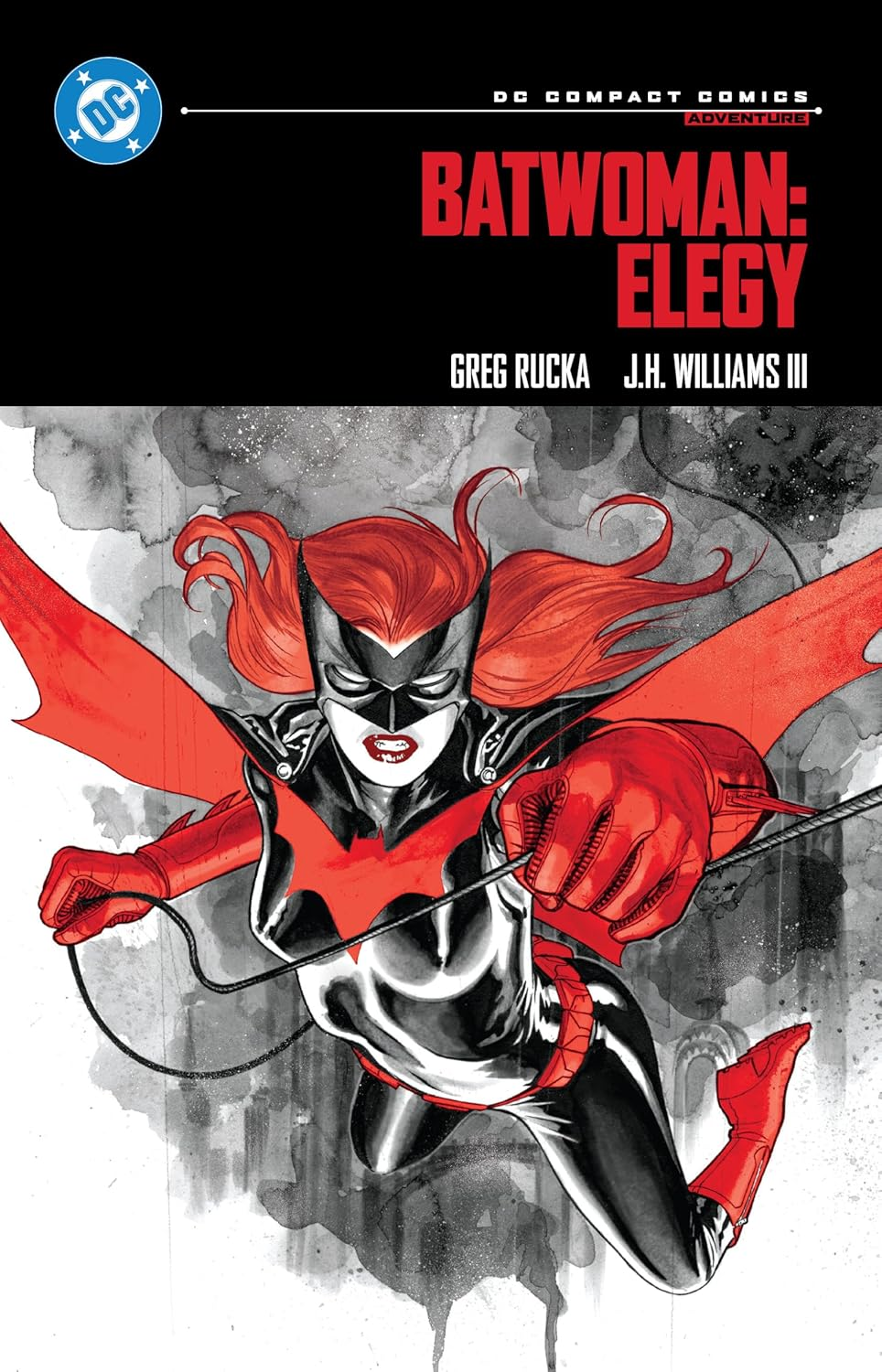
Batwoman: Elegy
Greg Rucka and J.H. Williams III redefined Kate Kane in this visually stunning arc. The story focuses on Batwoman’s struggle against a cult leader named Alice. Williams III’s page layouts are legendary. He often used entirely different art styles for different characters to emphasize their unique perspectives. This book proved that Batwoman could carry a solo title with as much weight and style as the Dark Knight himself.
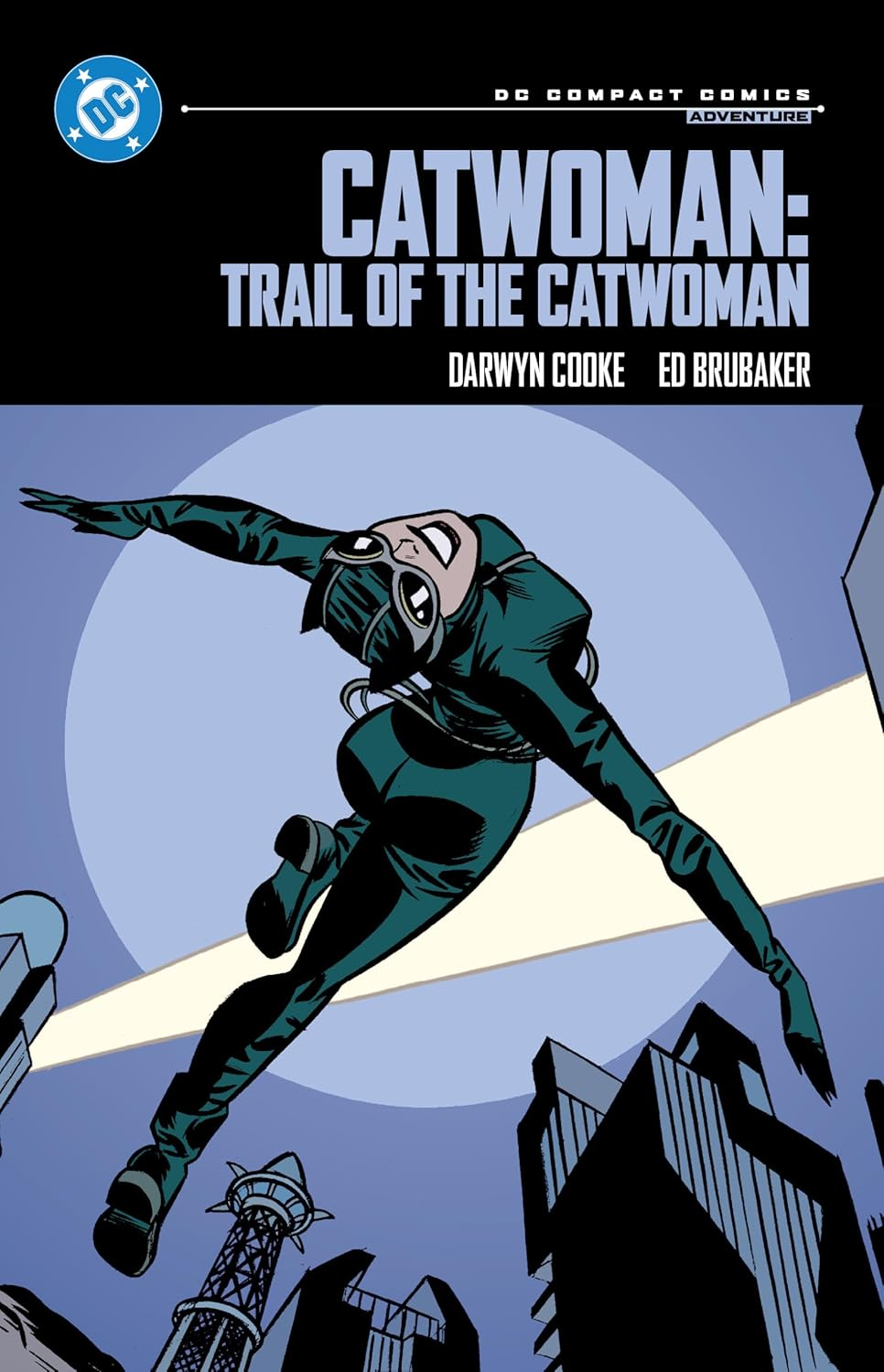
Catwoman: Trail of the Catwoman
Ed Brubaker and Darwyn Cooke gave Selina Kyle a stylish, noir-inspired makeover. The “goggles” design introduced here became the character’s definitive look for two decades. This volume follows Selina as she tries to protect the people of Gotham’s East End. It moves away from the “cat-burglar” tropes and turns Catwoman into a complex street-level hero. Cooke’s retro art style is a perfect match for Brubaker’s hard-boiled writing.
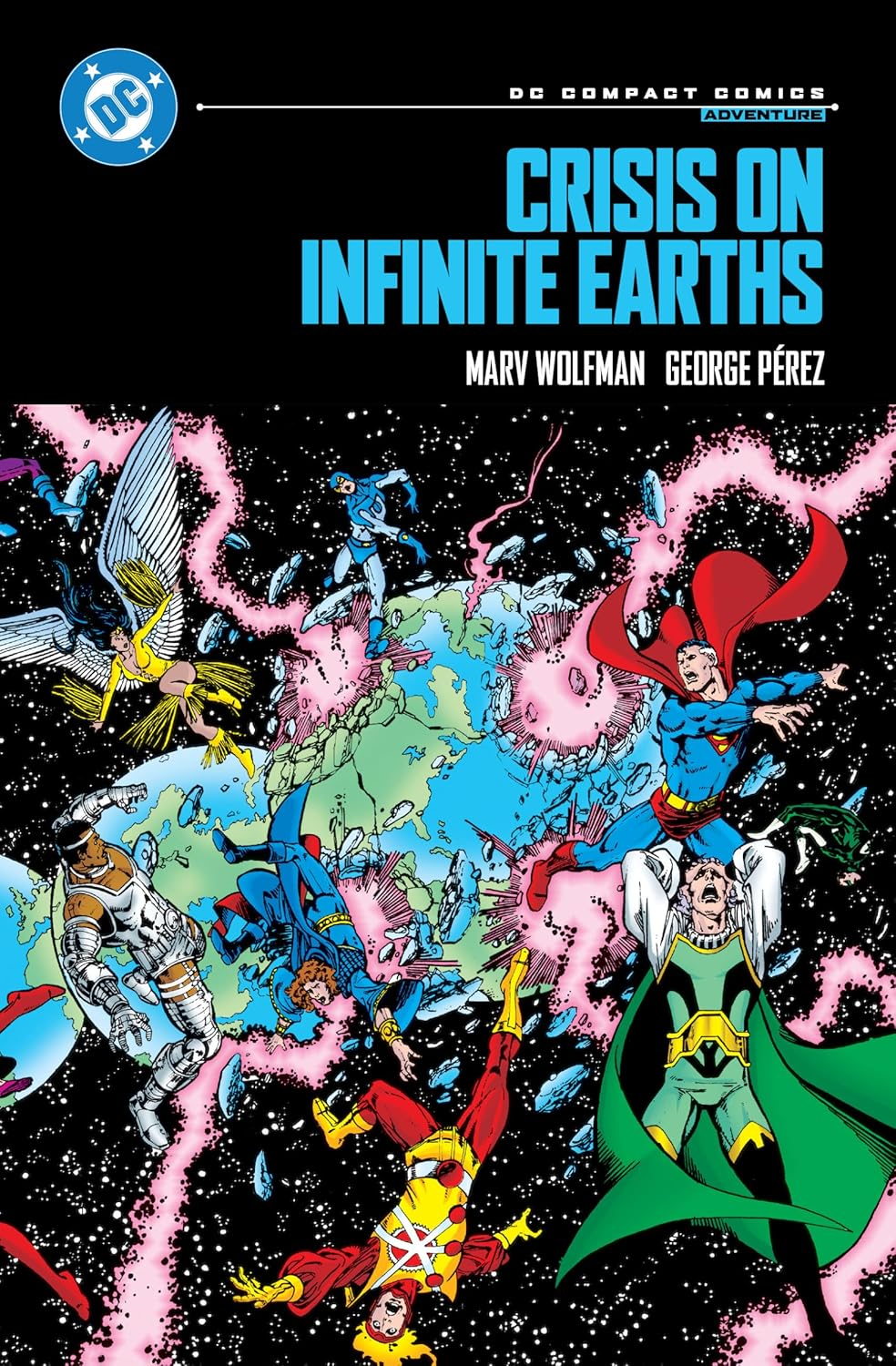
Crisis on Infinite Earths
Marv Wolfman and George Pérez created the ultimate multiverse event in 1985. Every hero from every reality teams up to stop the Anti-Monitor from destroying existence. George Pérez was famous for drawing hundreds of characters on a single page. He reportedly drew nearly every character DC owned at the time for this book.
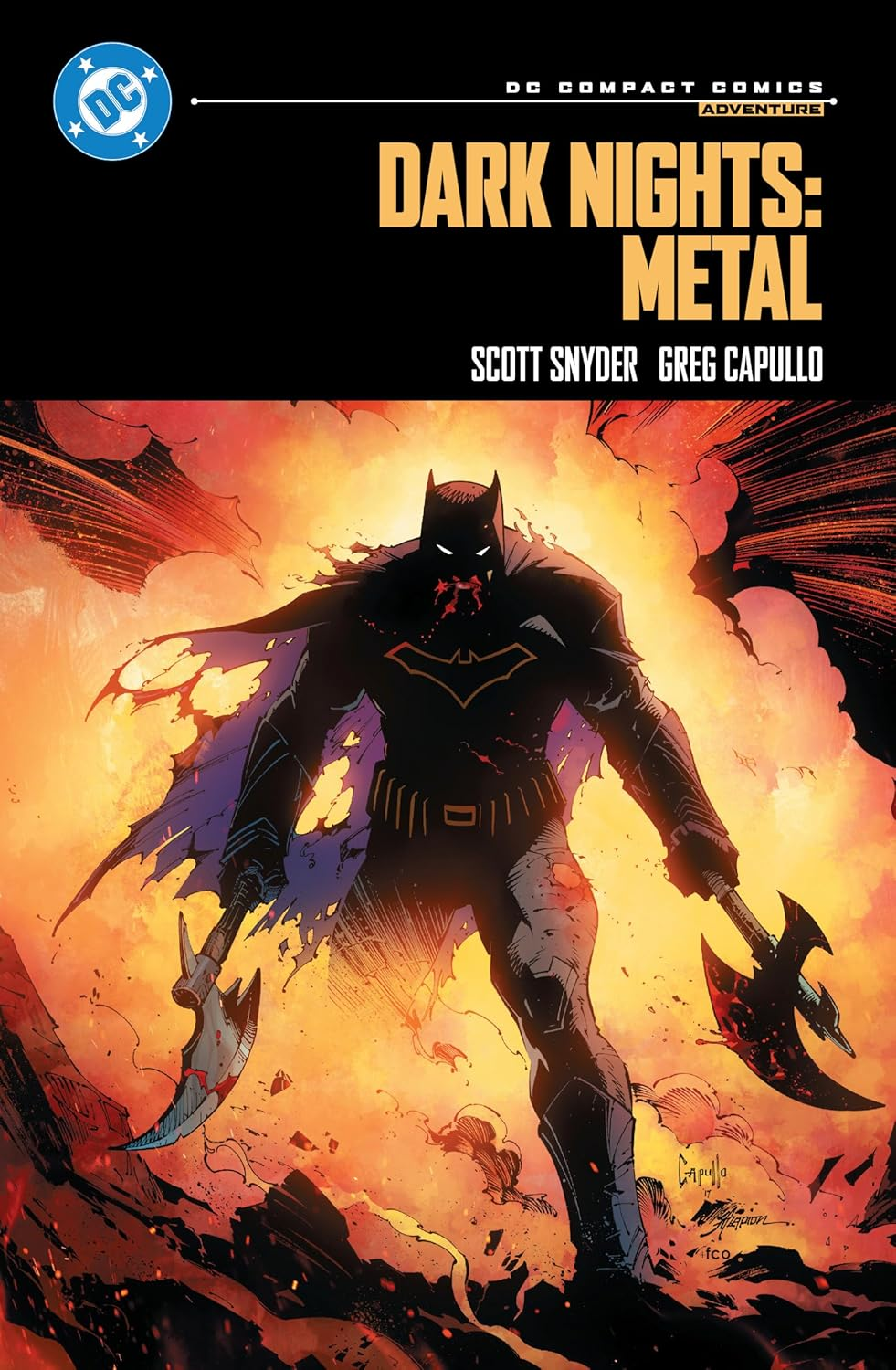
Dark Nights: Metal
Scott Snyder and Greg Capullo went full “heavy metal” with this wild event. Snyder reportedly listened to metal music while writing to ensure the tone stayed loud and chaotic. It introduces the Dark Multiverse and the terrifying Batman Who Laughs. It’s an over-the-top explosion of cosmic horror and superhero action. If you want to see the Justice League fighting evil versions of Batman, this is your book.
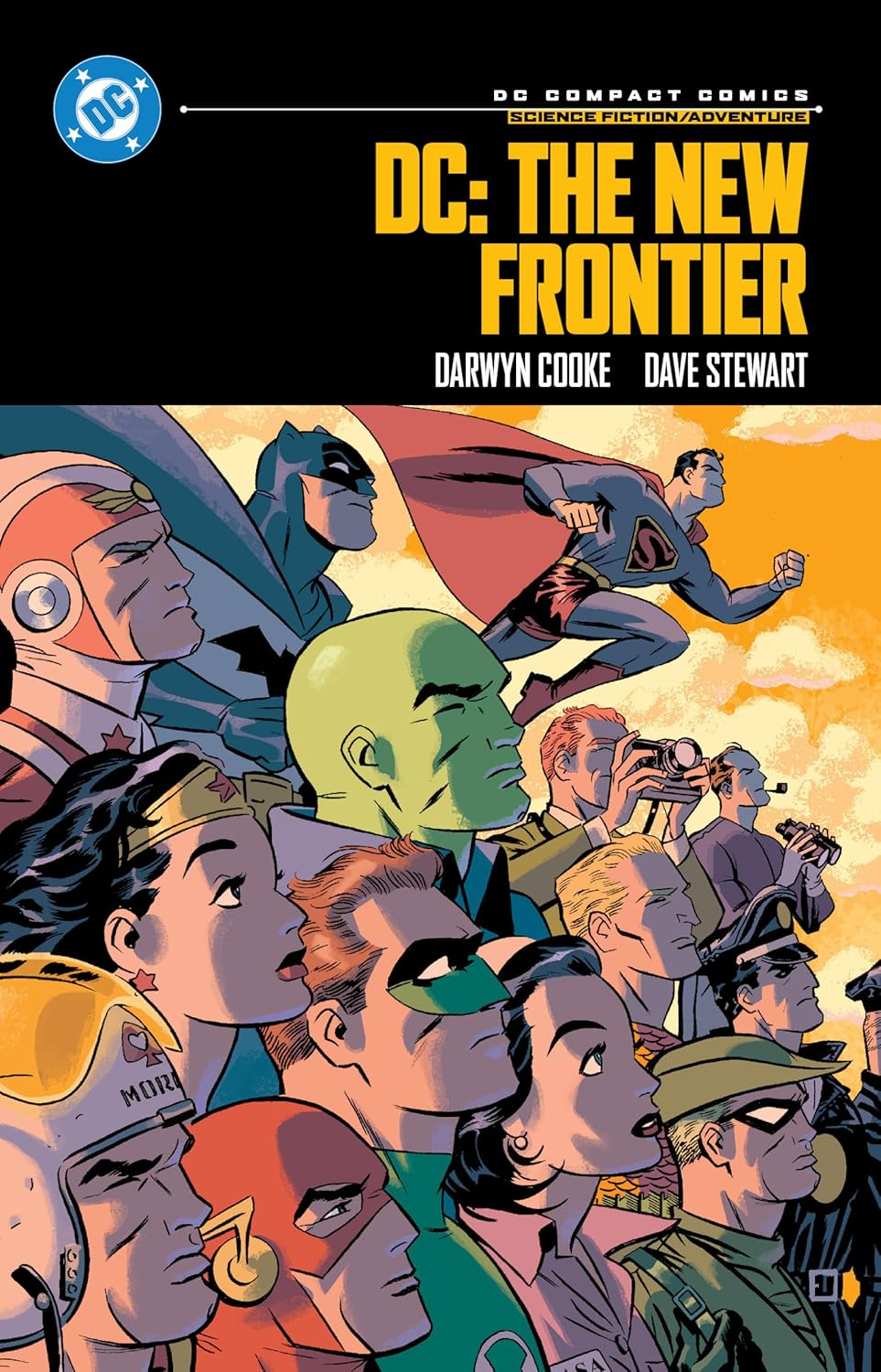
DC: The New Frontier
Darwyn Cooke’s masterpiece bridges the gap between the Golden Age and the Silver Age of heroes. The art style was specifically designed to evoke the sleek, optimistic look of 1950s advertising and magazine illustrations. The story handles complex themes like the Cold War and civil rights with grace. It’s widely considered one of the finest graphic novels ever produced.
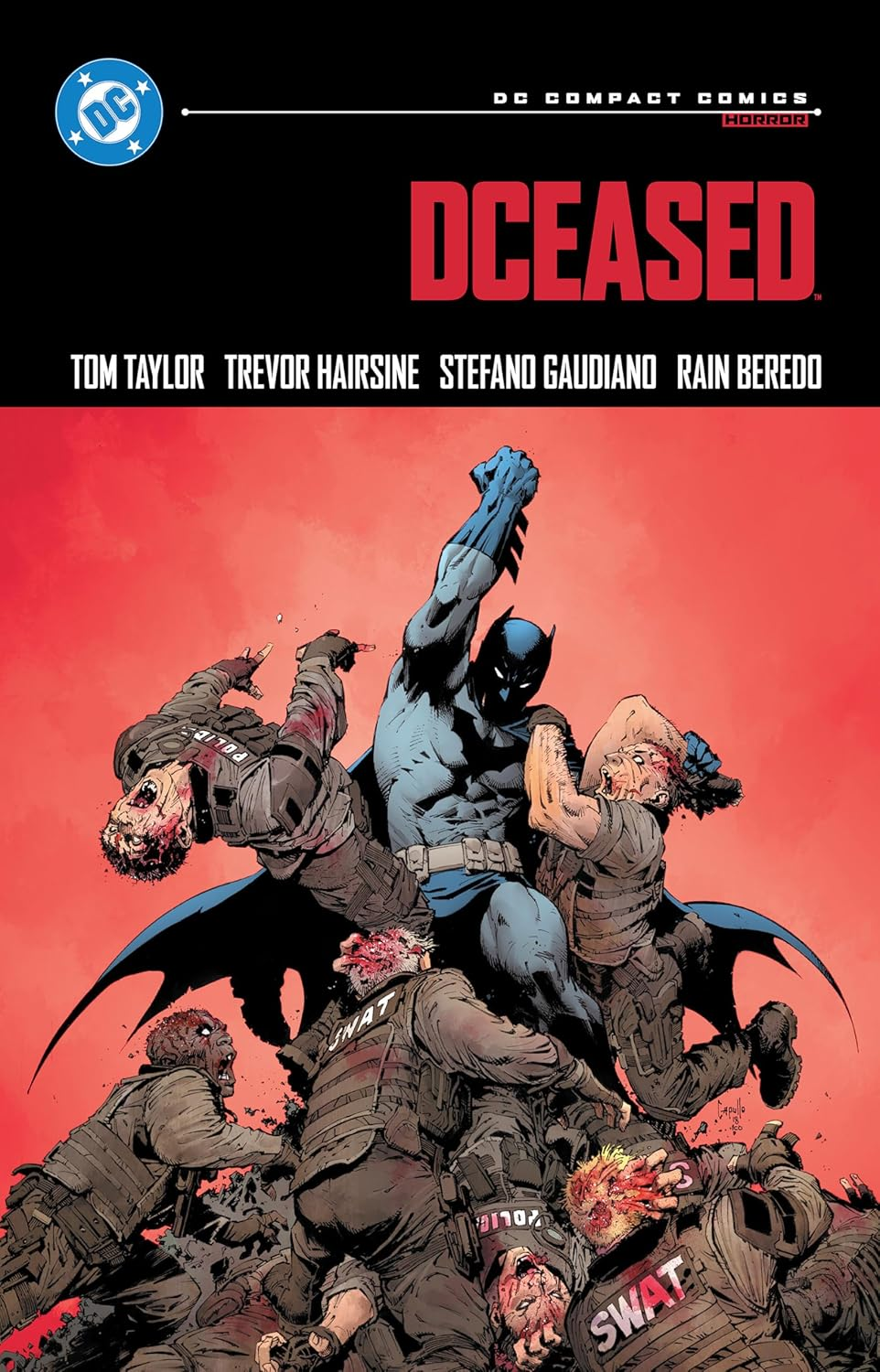
DCeased
Tom Taylor and Trevor Hairsine created a terrifying “What If?” scenario that actually started as a simple pitch on social media. It’s a fast-paced horror story where a digital virus turns the world into zombies. Despite the gore, Taylor finds moments of incredible heart and heroism. It’s a gripping read that works perfectly as a standalone experience.
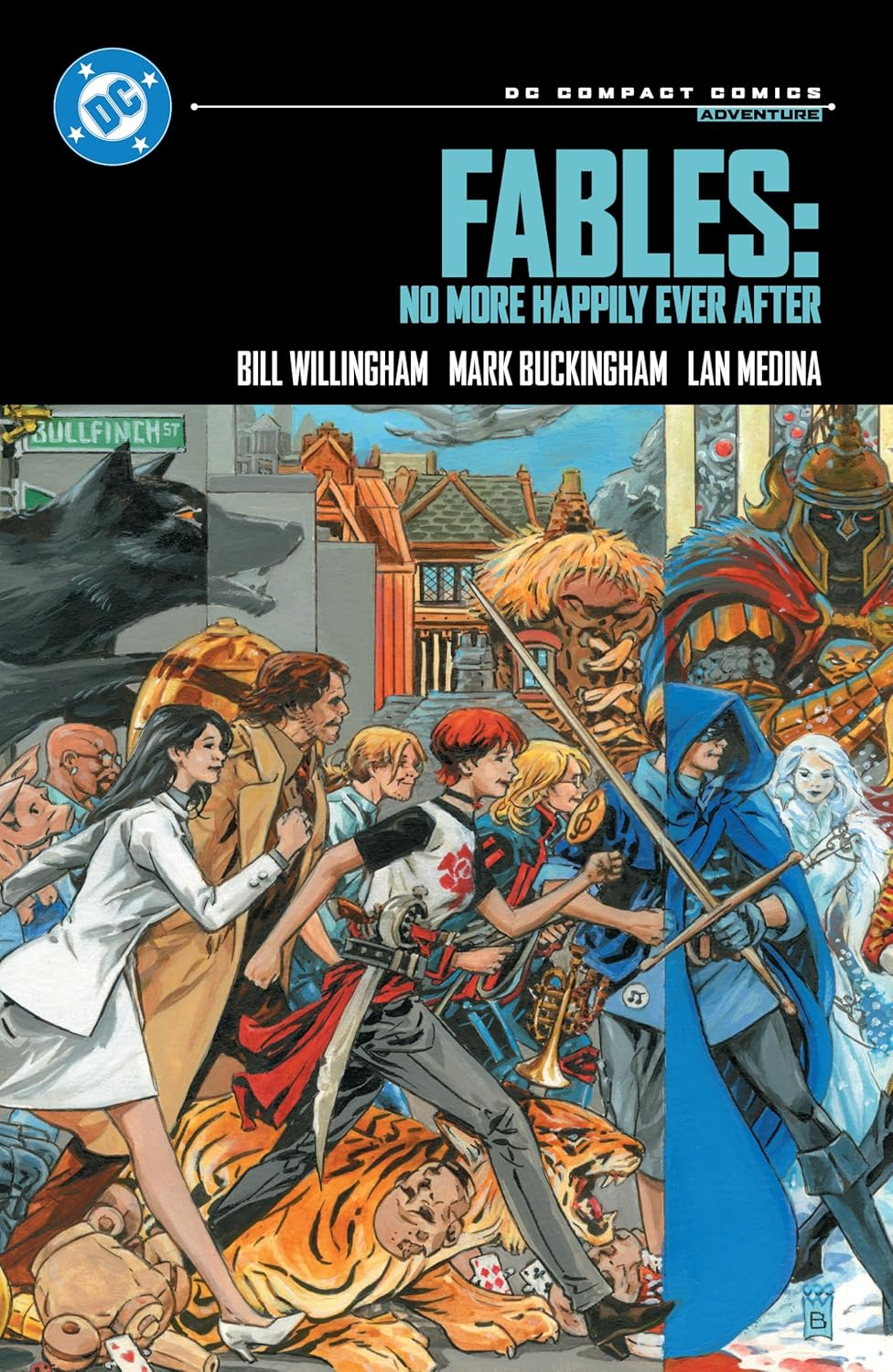
Fables: No More Happily Ever After
Bill Willingham and Mark Buckingham introduced a world where fairytale characters live in secret in modern-day New York. This first volume is a gritty murder mystery involving the Big Bad Wolf and Snow White. The concept was originally pitched to several different publishers before landing at DC, where it spawned a massive, long-running franchise.
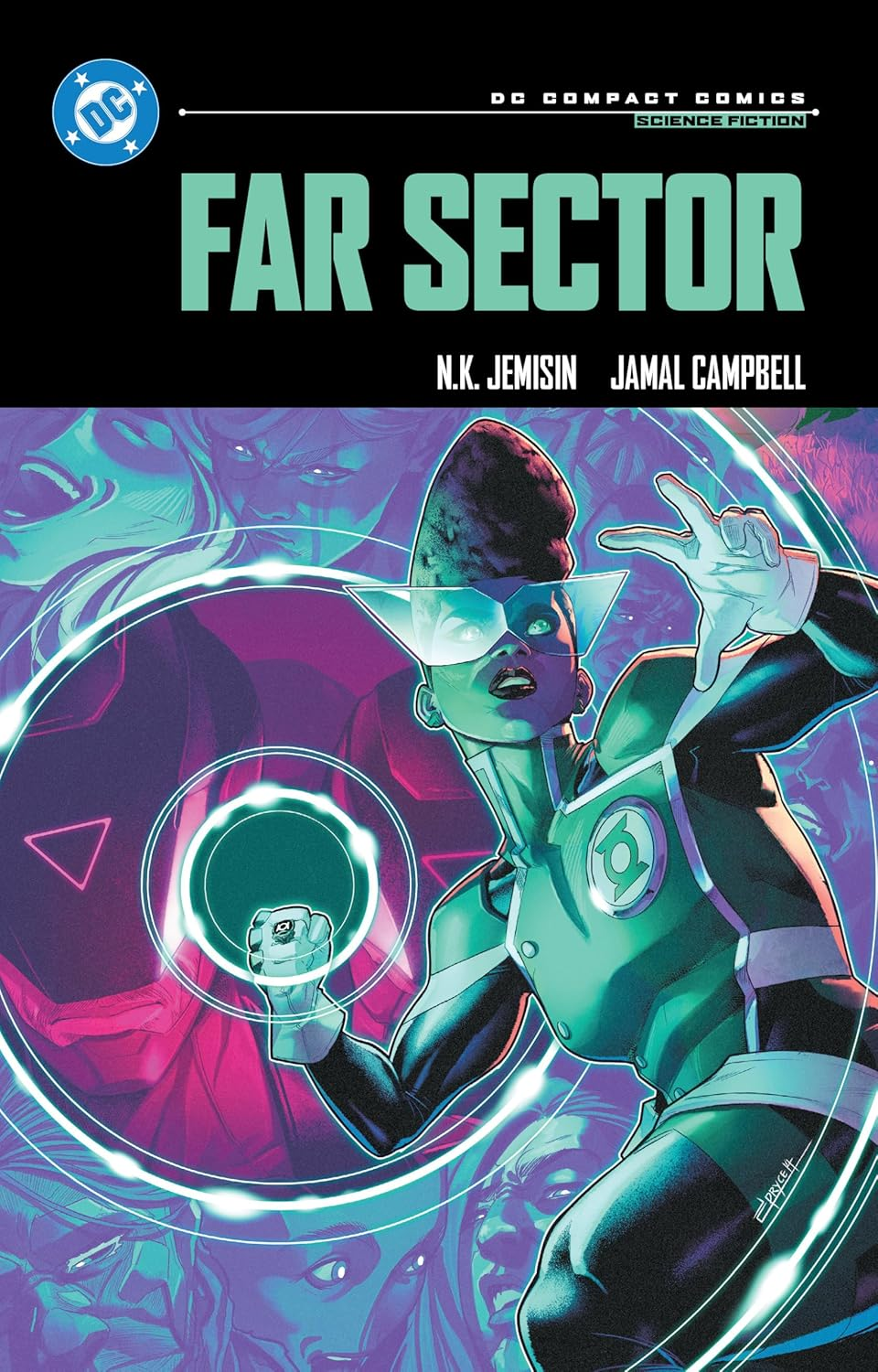
Far Sector
N.K. Jemisin and Jamal Campbell delivered a fresh, sci-fi mystery starring Jo Mullein. Jemisin, a triple Hugo Award-winning novelist, made her DC debut with this title. As a Green Lantern in an alien city where emotions are illegal, Jo has to solve a murder that threatens a fragile peace. Campbell’s digital art is neon-soaked and incredibly vibrant.
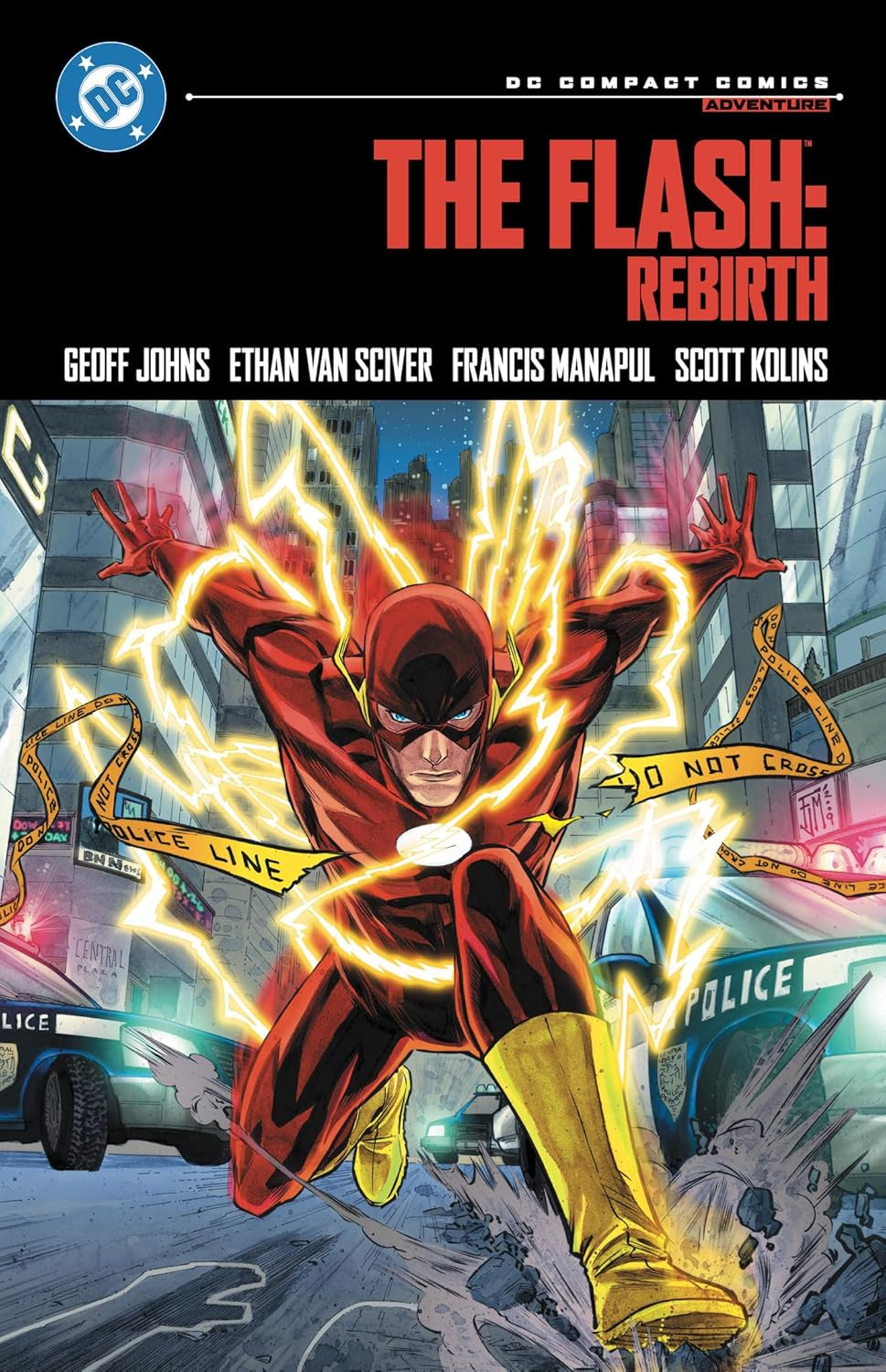
The Flash: Rebirth
Geoff Johns and Ethan Van Sciver brought Barry Allen back to the center of the DC Universe. This story introduced the groundbreaking concept that Barry Allen actually generated the Speed Force with every step he took. It’s a high-energy book that establishes the modern status quo for the Flash family. It’s essential for anyone who wants to understand the Scarlet Speedster’s history.
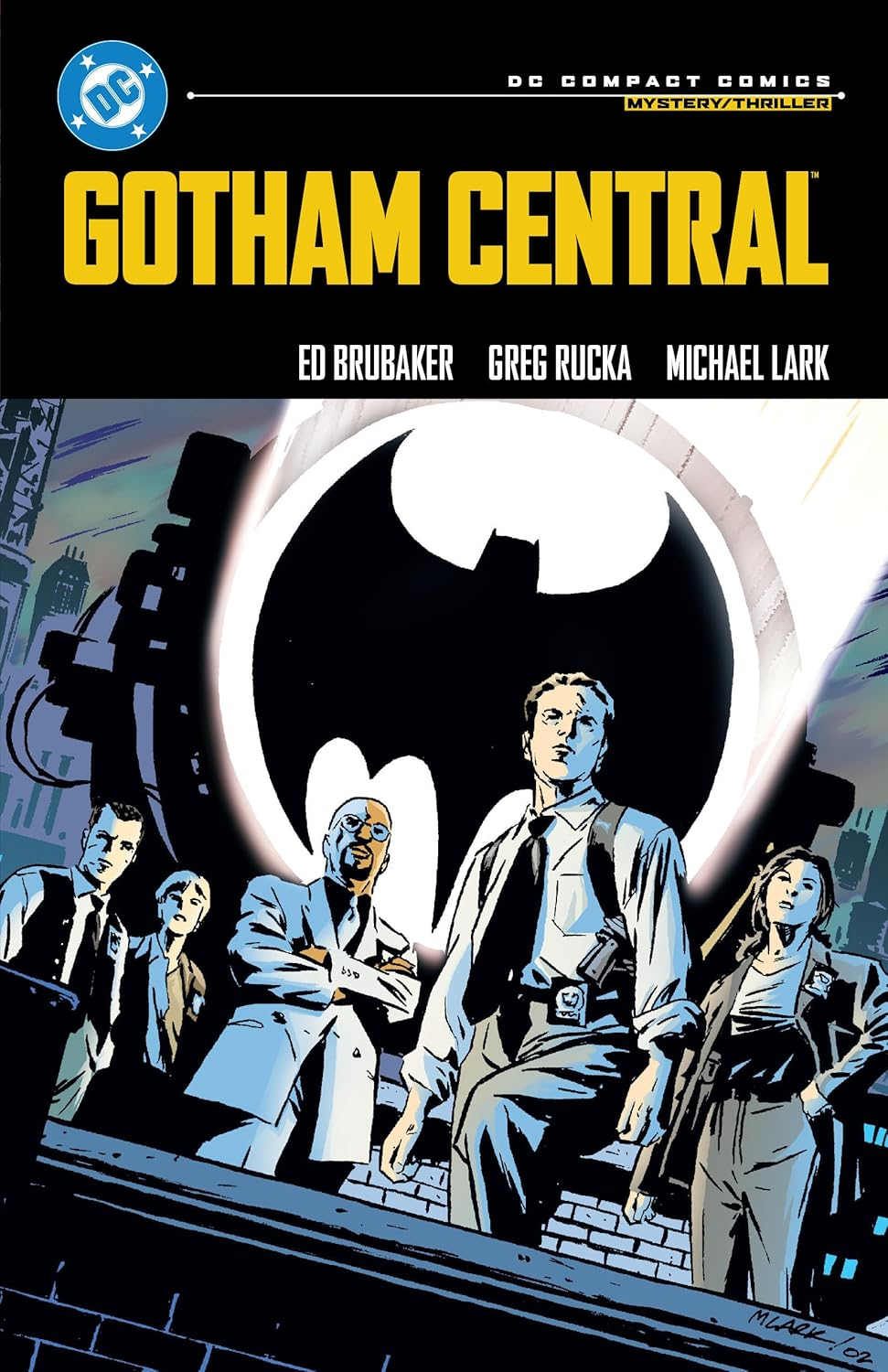
Gotham Central
Ed Brubaker, Greg Rucka, and Michael Lark created this police procedural. They intended for it to feel like a high-end crime drama, such as The Wire, but set in Gotham. It’s about what it’s like to be a normal cop in a city full of supervillains. It’s grounded, gritty, and incredibly tense, showing the true cost of living in Batman’s shadow.
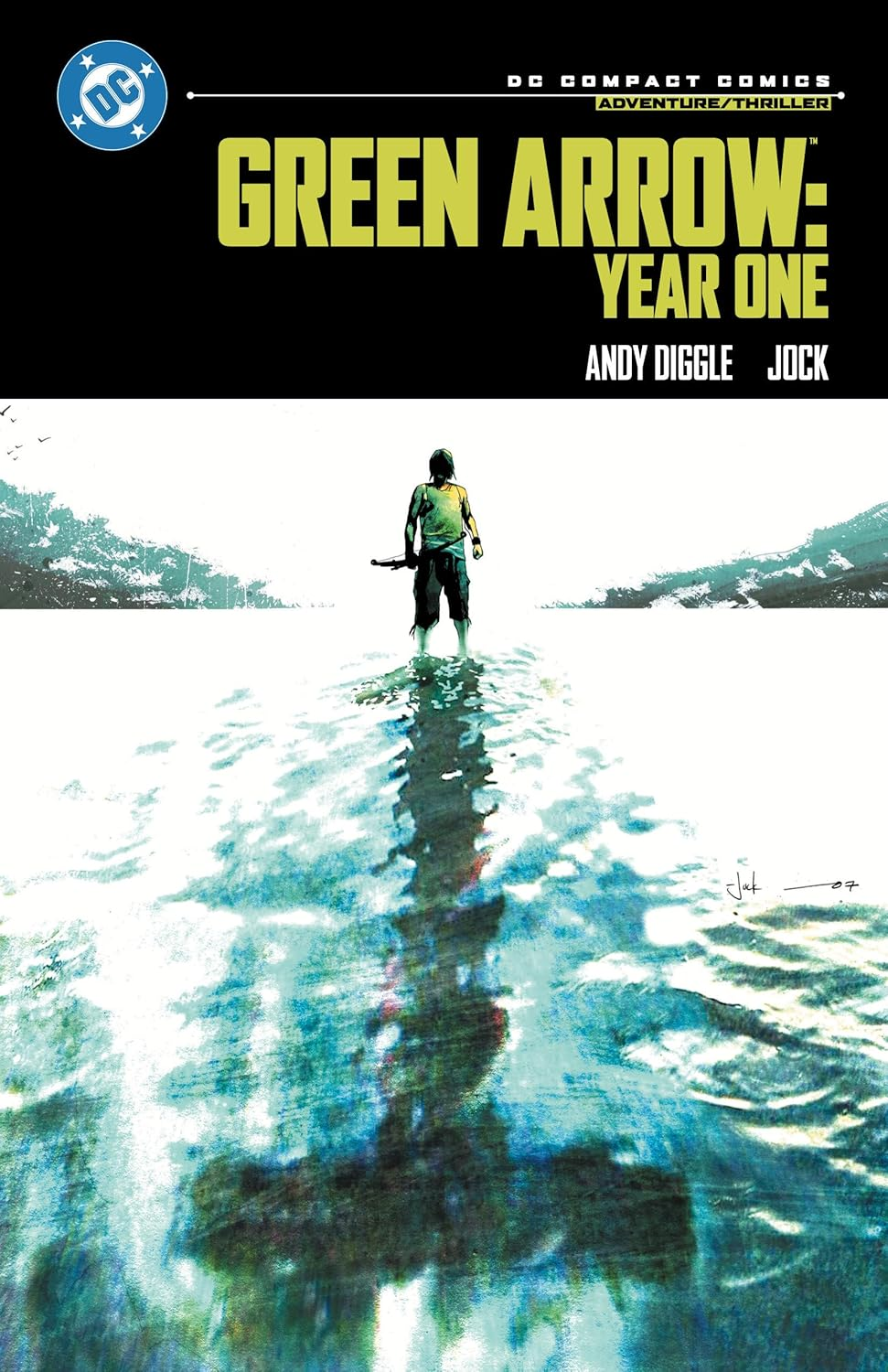
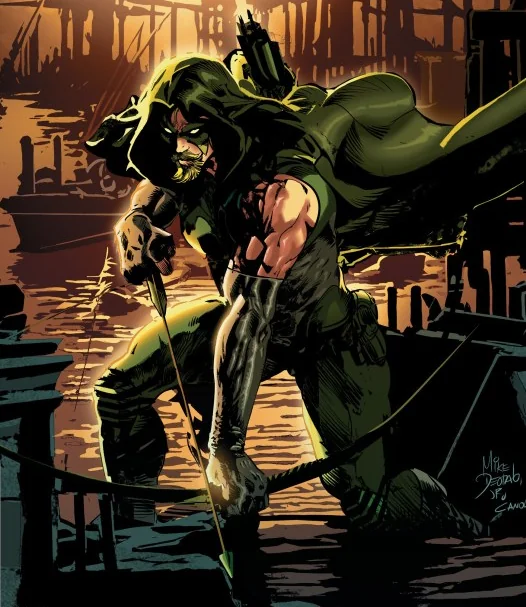
Green Arrow: Year One
Andy Diggle and Jock reimagined Oliver Queen’s origin for the modern era. It’s a brutal survival story about a shallow billionaire who gets stranded on a remote island. Jock’s sharp art style perfectly captures the rugged environment. This specific run was the primary source of inspiration for the first season of the Arrow television series.
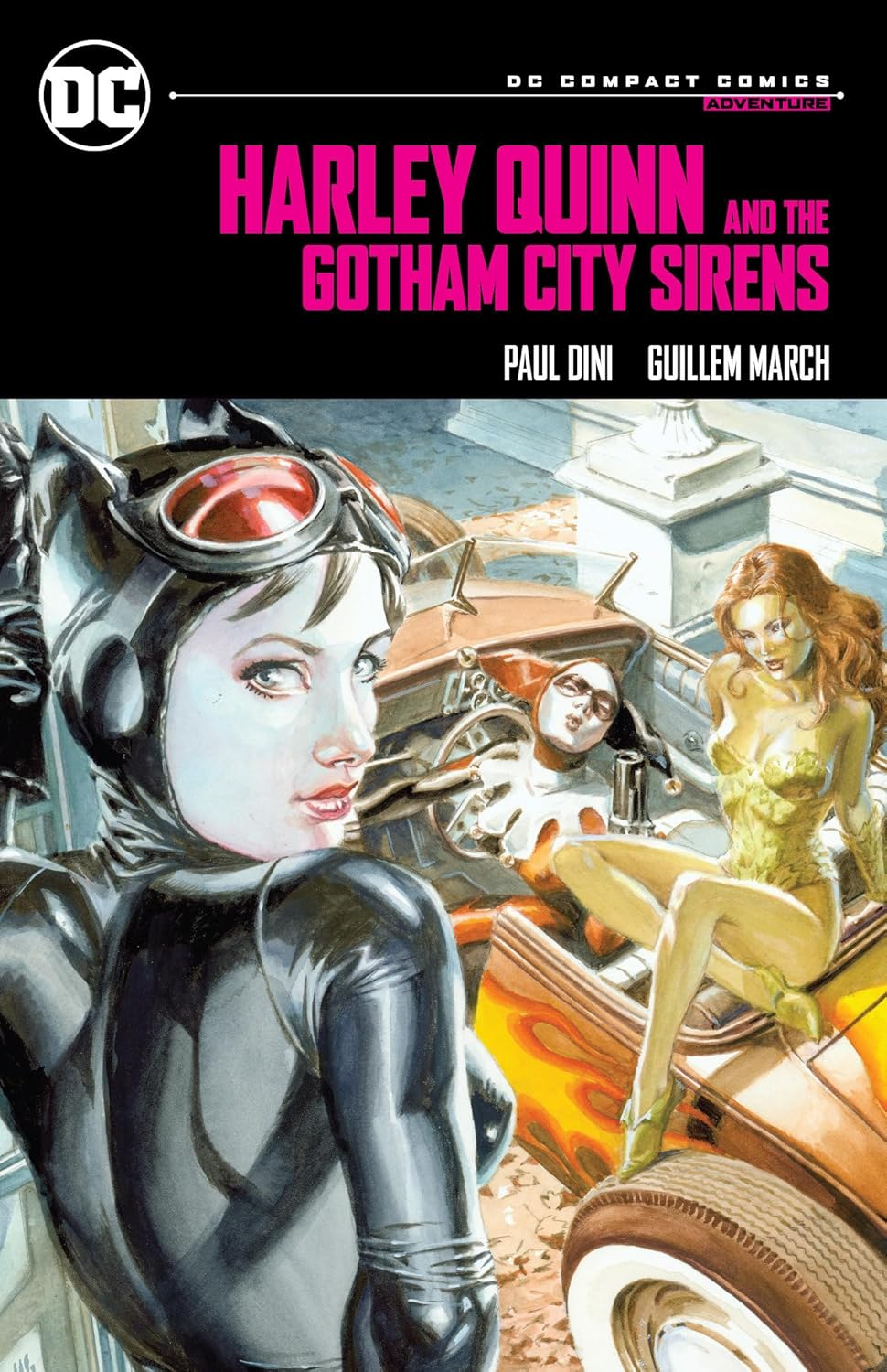
Harley Quinn & the Gotham City Sirens
Paul Dini and Guillem March teamed up Harley, Poison Ivy, and Catwoman. This was the first time DC really leaned into the sisterhood between these three characters rather than just making them rivals. The storytelling is full of humor and high-stakes action as they look out for each other.
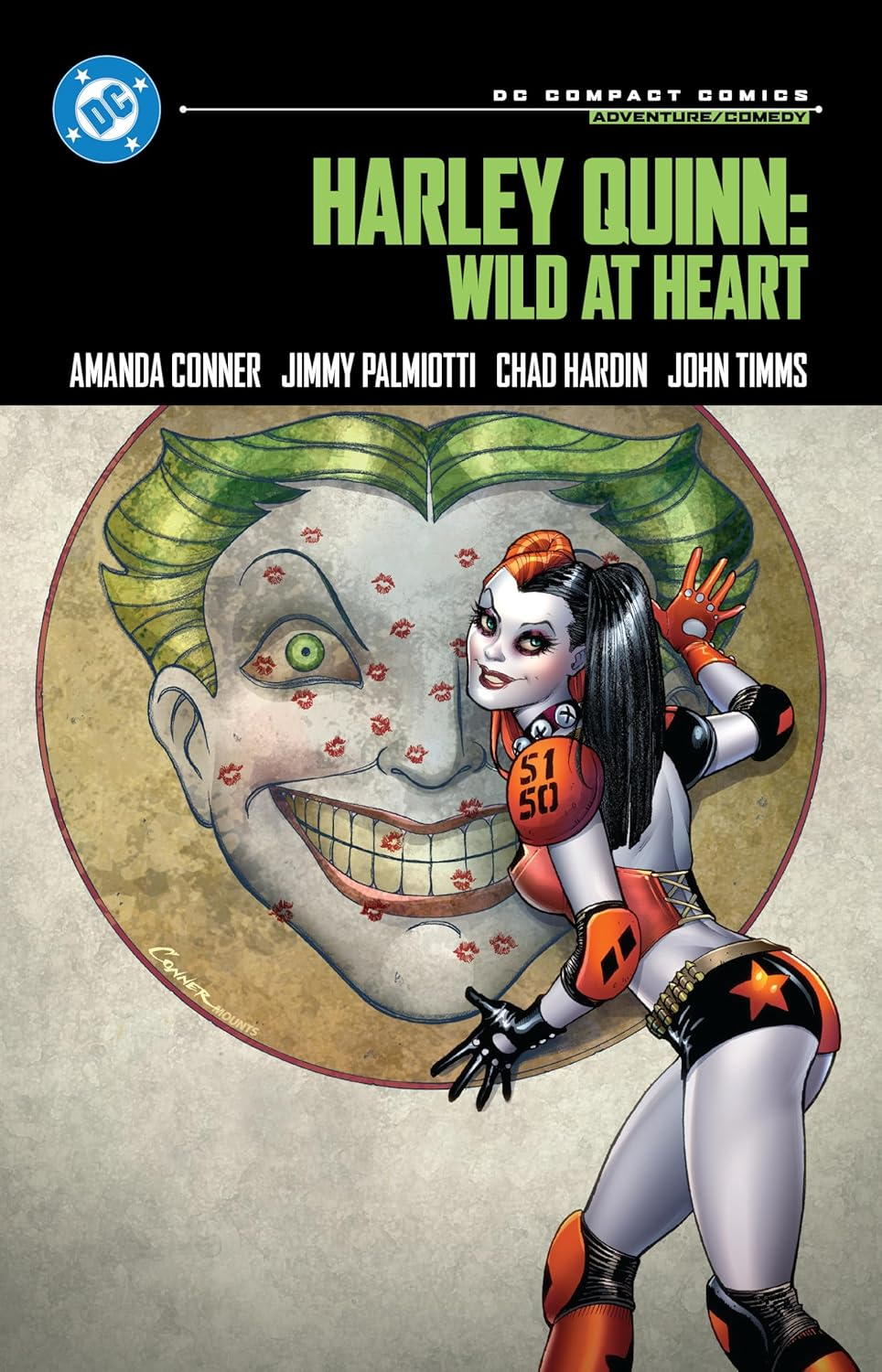
Harley Quinn: Wild at Heart
Amanda Conner and Jimmy Palmiotti moved Harley to Coney Island and gave her a whole new life. This is the era that cemented Harley as a solo powerhouse. It introduced her pet beaver, Bernie, who she “hears” talking throughout the book. It’s full of slapstick humor, colorful characters, and pure mayhem. It’s an irreverent take that’s perfect for fans of the Harley Quinn animated show.
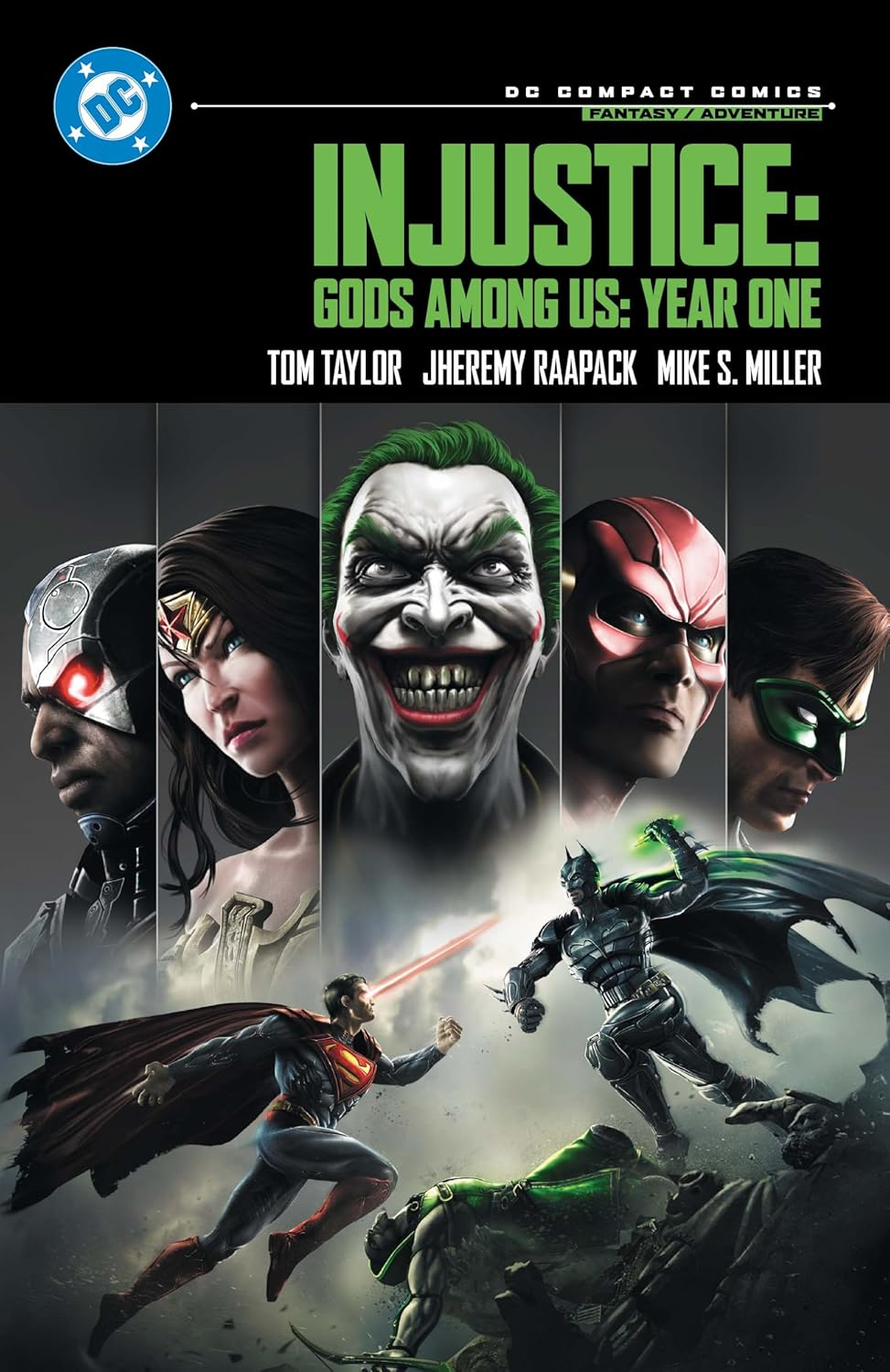
Injustice: Gods Among Us: Year One
Tom Taylor took what was originally meant to be a minor digital-only video game tie-in and turned it into an epic tragedy. After the Joker tricks Superman into destroying Metropolis, the Man of Steel decides to enforce global peace through total control. It’s a dark alternate-universe story that explores what happens when the world’s greatest hero loses his way.
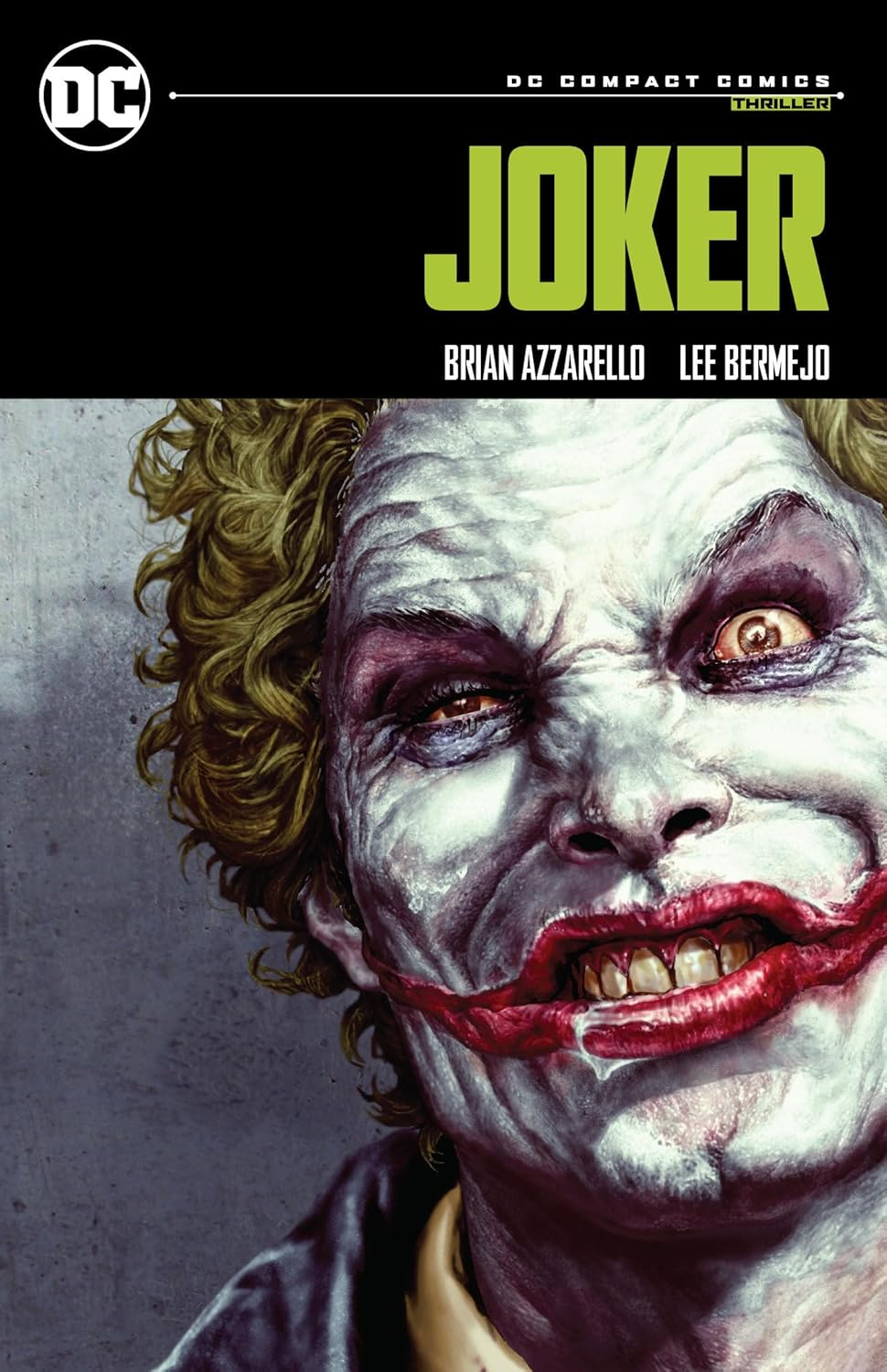
Joker
Brian Azzarello and Lee Bermejo created a gritty, realistic look at Gotham’s criminal underworld. The story is told from the perspective of a low-level thug. Lee Bermejo’s ultra-realistic Joker design here actually predated Heath Ledger’s movie look by several months. Bermejo’s hyper-detailed art makes the Clown Prince of Crime feel more dangerous and grounded than ever before. It’s a mature, visceral read.
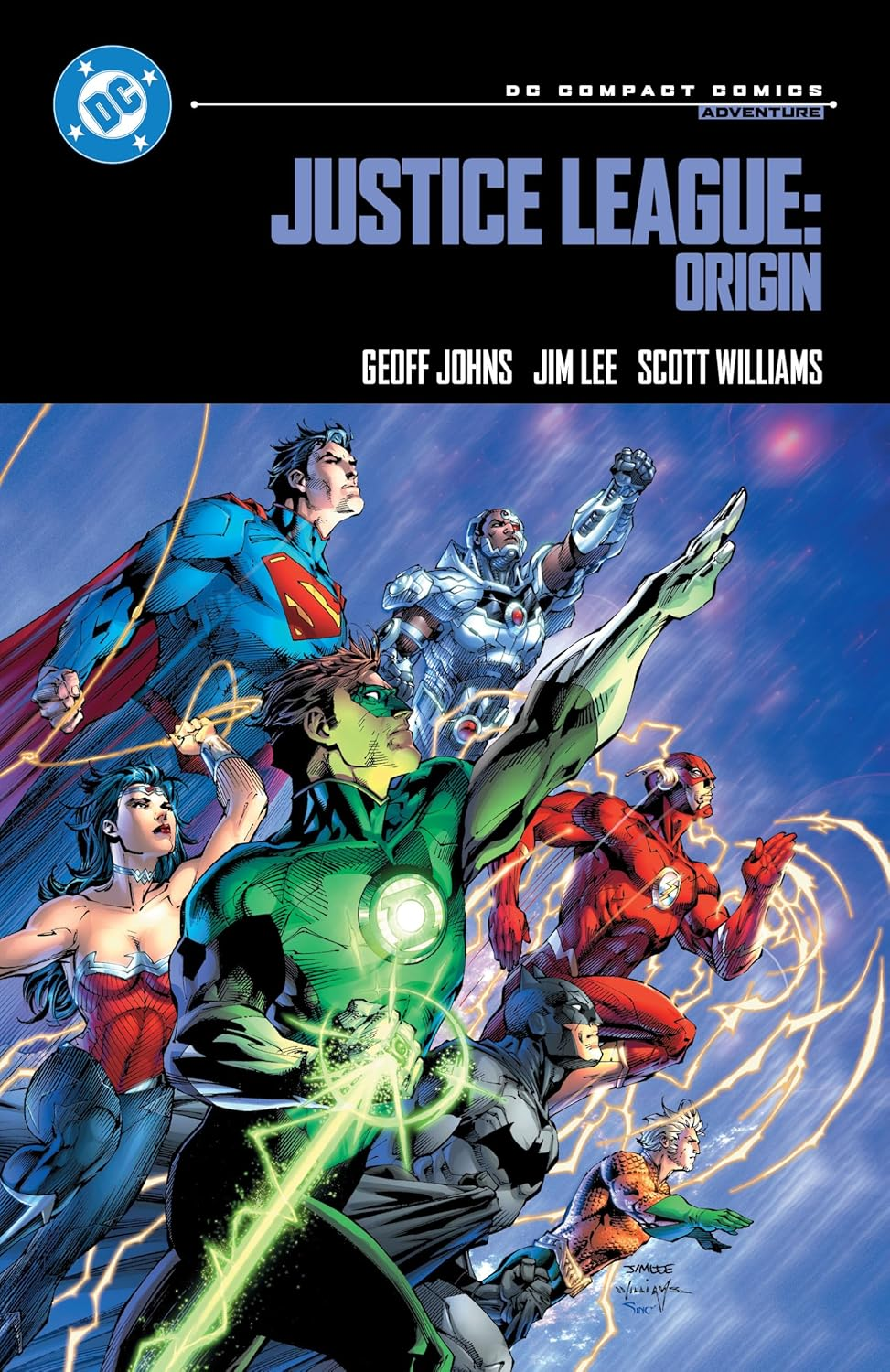
Justice League: Origin
Geoff Johns and Jim Lee rebooted the team for the New 52 era. This was the very first comic published as part of that massive line-wide relaunch. This story shows how the world’s greatest heroes first met to stop an invasion by Darkseid. It’s pure blockbuster action with top-tier art, serving as a perfect starting point to the Justice League.
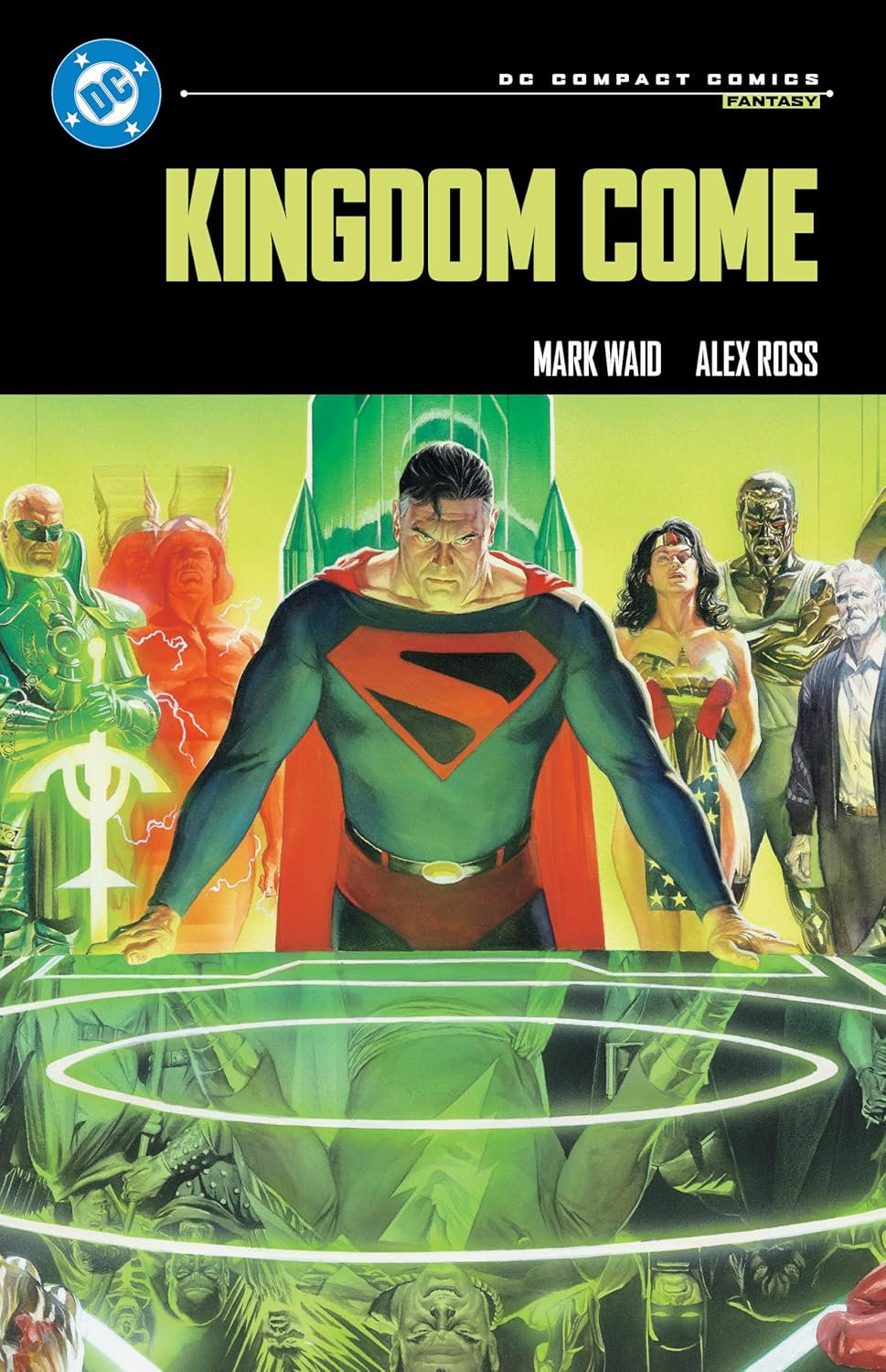
Kingdom Come
Mark Waid and Alex Ross created a legendary tale about the future of the DC Universe. Superman and the old guard return to stop a violent new generation of heroes. Alex Ross used his own father, a minister, as the physical model for the character Norman McCay who narrates this painted masterpiece.
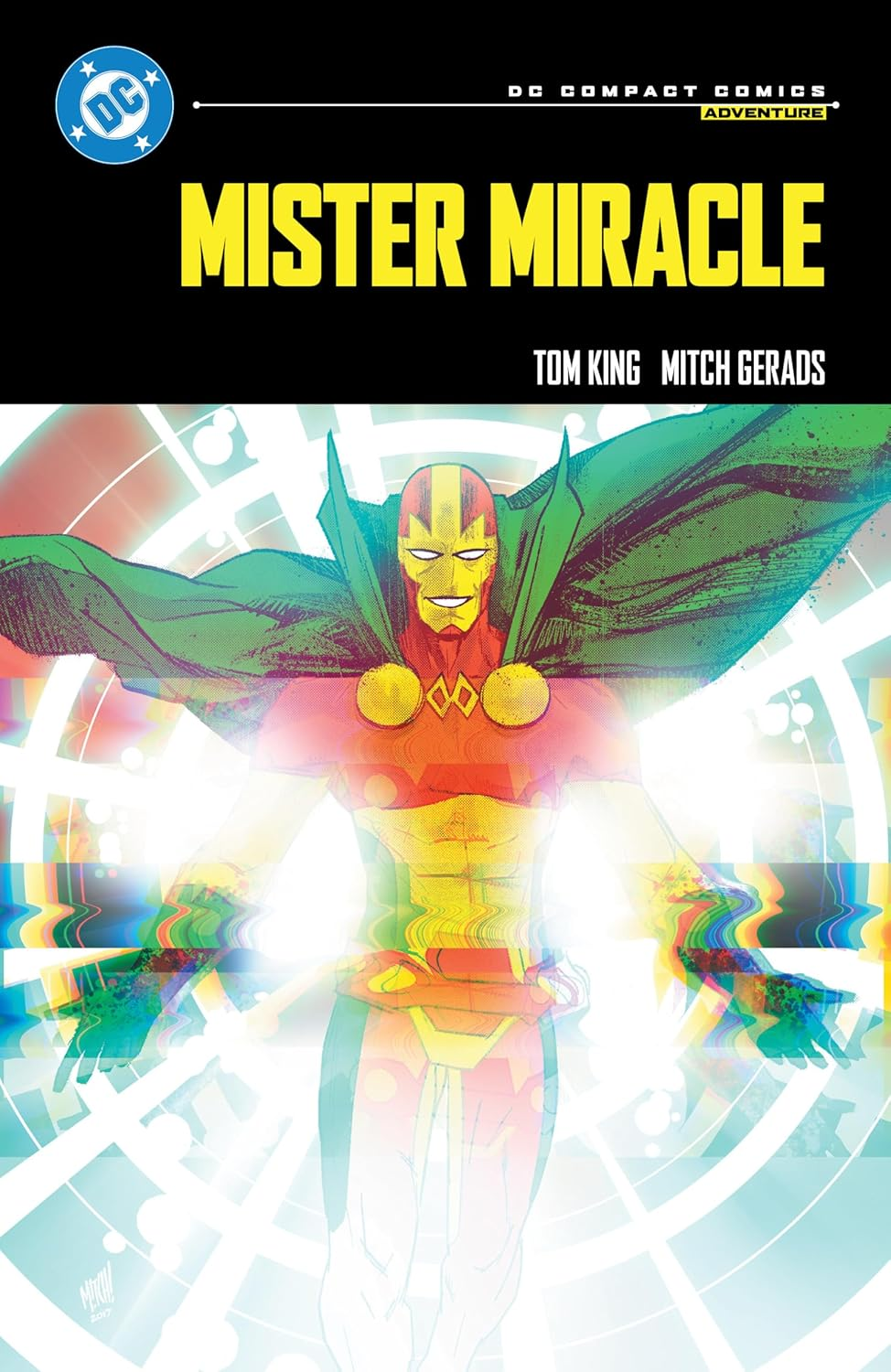
Mister Miracle
Tom King and Mitch Gerads delivered a story where the phrase “Darkseid Is” became a massive viral meme in the comic book community. It’s a meditation on war, trauma, and family life that uses a tight nine-panel grid to create a sense of claustrophobia. It’s one of the most critically acclaimed comics of the modern era.
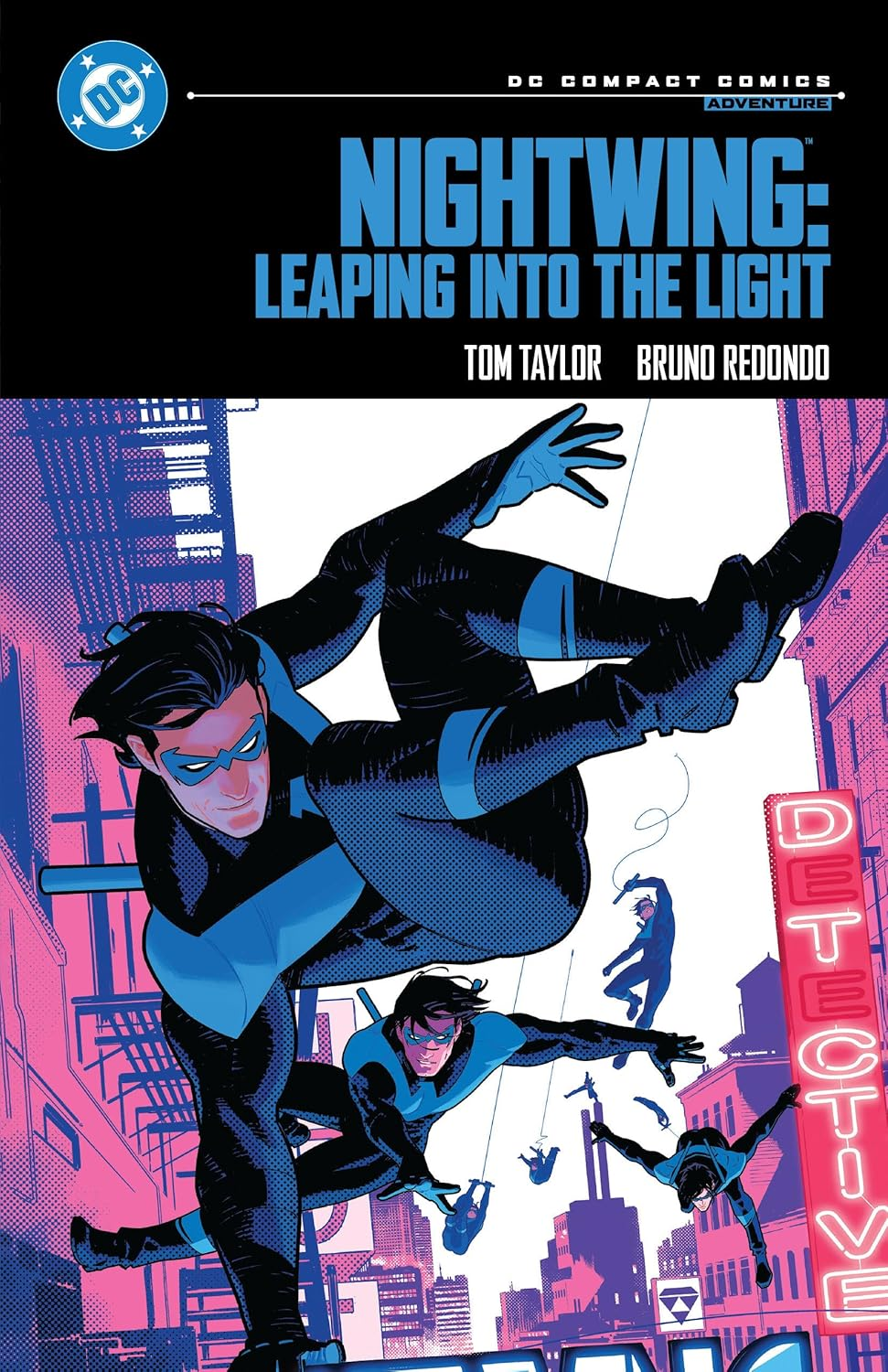
Nightwing: Leaping into the Light
Tom Taylor and Bruno Redondo utilized a “stroboscopic” art technique to show Nightwing’s parkour movements in single, continuous images. Nightwing inherits a massive fortune and decides to use it to fix his city. The art is clean, inventive, and highlights why Nightwing is the heart of the DC Universe.
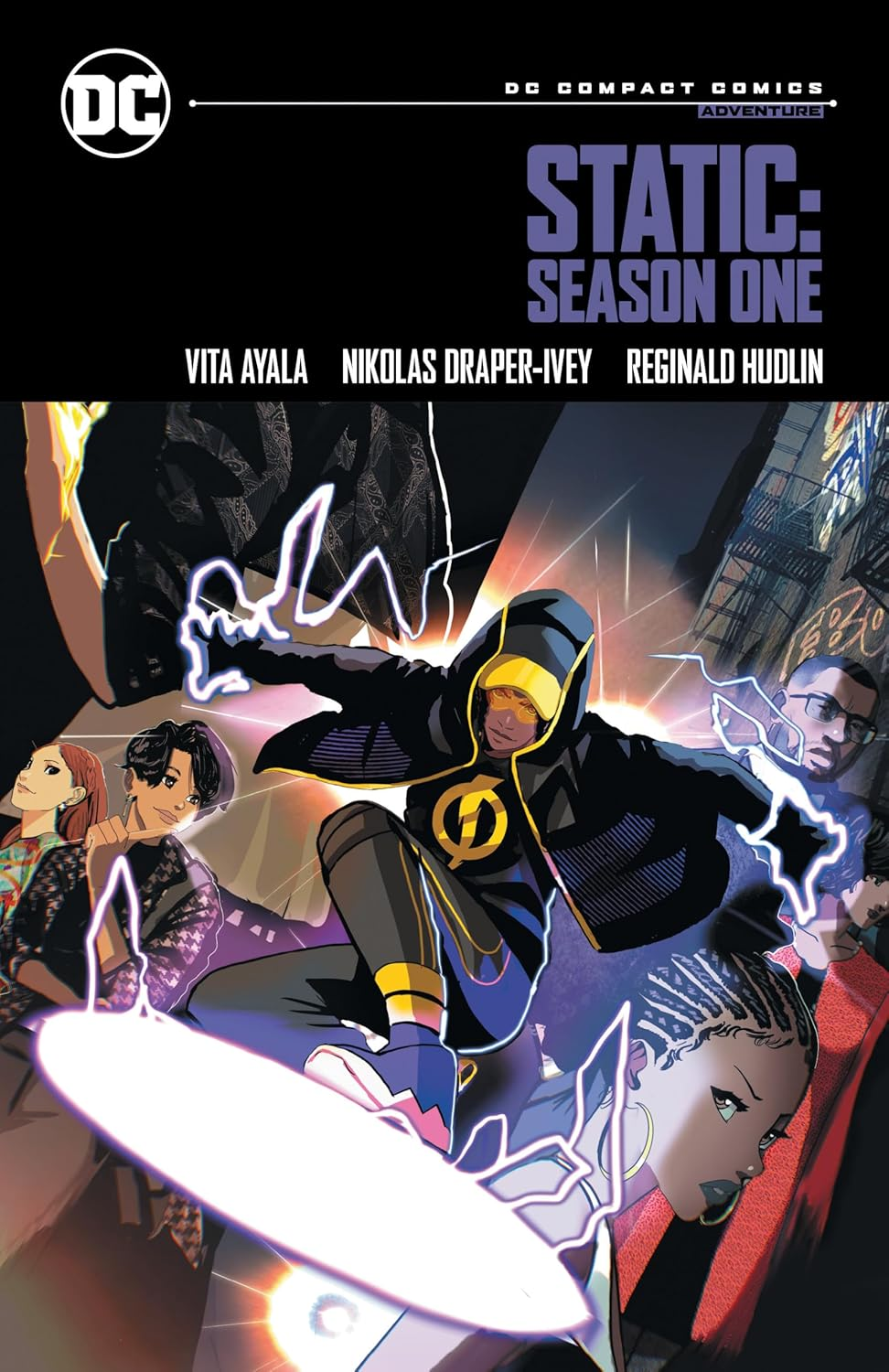
Static: Season One
Vita Ayala and Nikolas Draper-Ivey brought the Milestone hero into the 21st century. Virgil Hawkins gains electromagnetic powers during a protest. Artist Nikolas Draper-Ivey used high-fashion streetwear as the primary inspiration for the new suit. The art is heavily influenced by anime and street fashion. It’s a modern story for a new generation of readers.
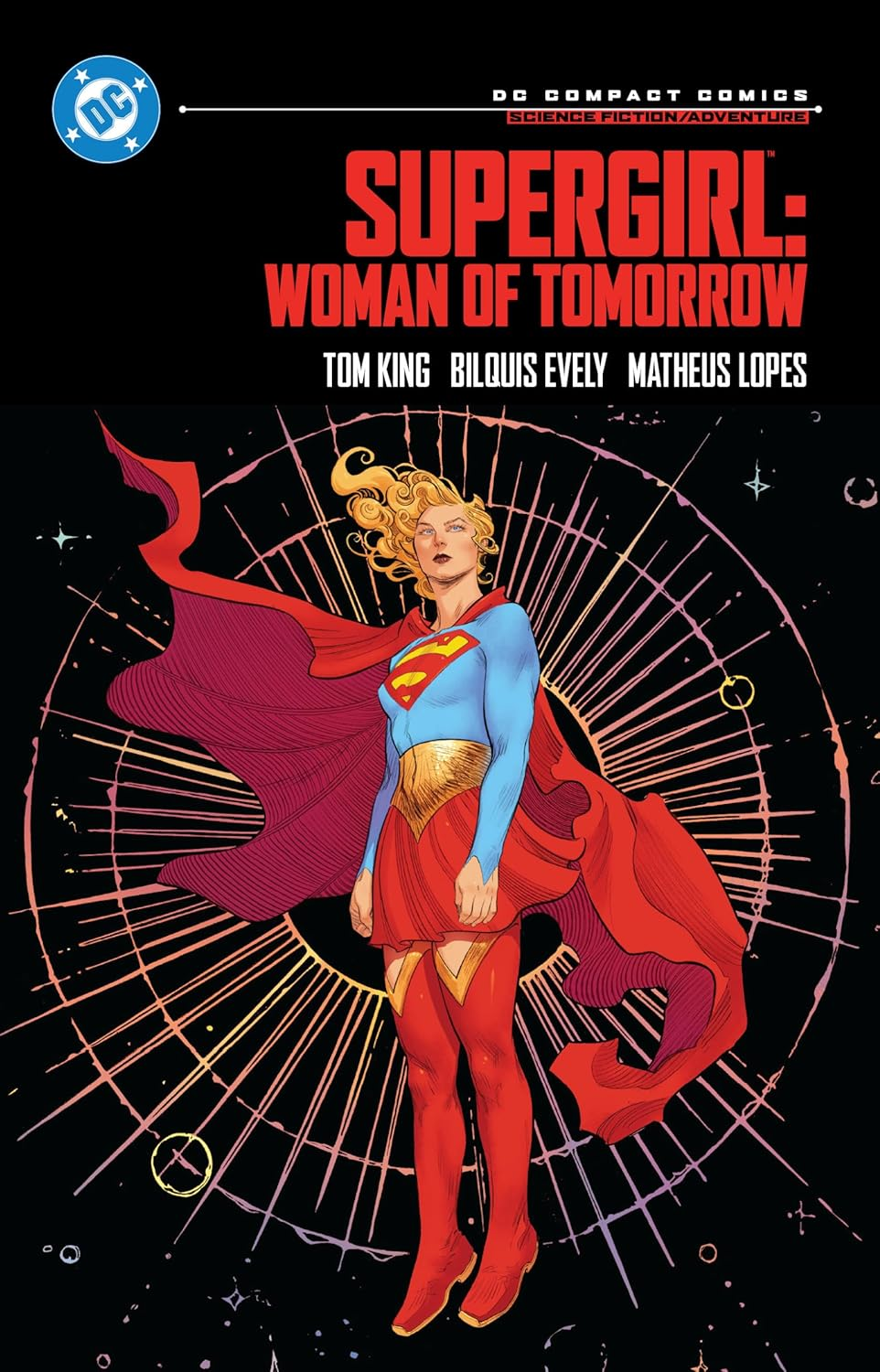
Supergirl: Woman of Tomorrow
Tom King and Bilquis Evely created a stunning sci-fi western. The narrative structure is heavily influenced by the classic novel True Grit. Supergirl travels the galaxy with a young girl on a mission of revenge. Evely’s art is incredibly imaginative and detailed, depicting alien worlds with wonder. It’s an emotional journey that proves Supergirl is one of DC’s most compelling leads.
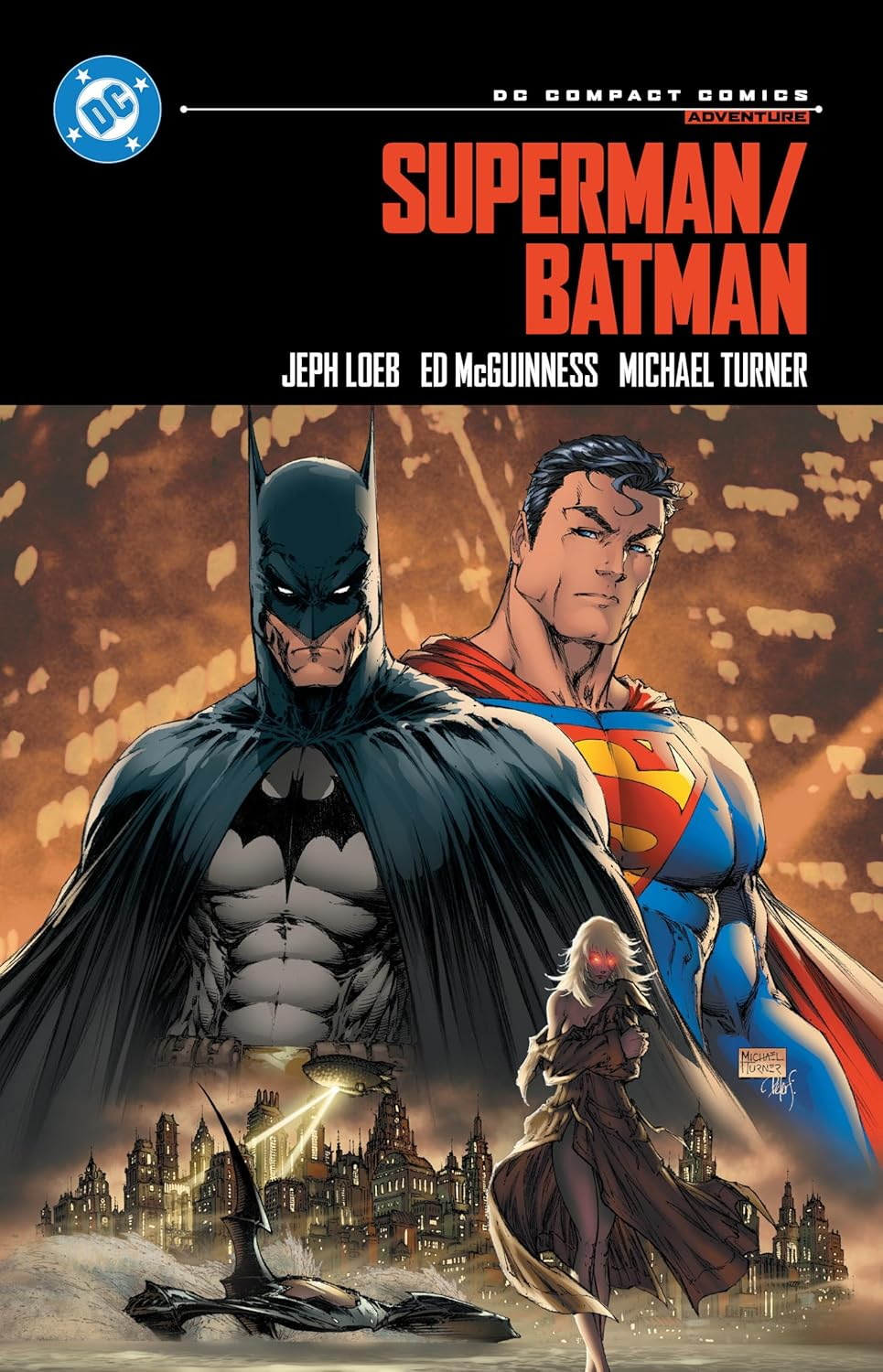
Superman/Batman
Jeph Loeb and Ed McGuinness paired the World’s Finest for a fast-paced adventure. Lex Luthor is President, and he frames Superman for a crime against humanity. This series introduced the iconic “dual narration” boxes, blue for Clark and grey for Bruce, to show their different perspectives. The art is big, bold, and feels like a high-budget animated movie.
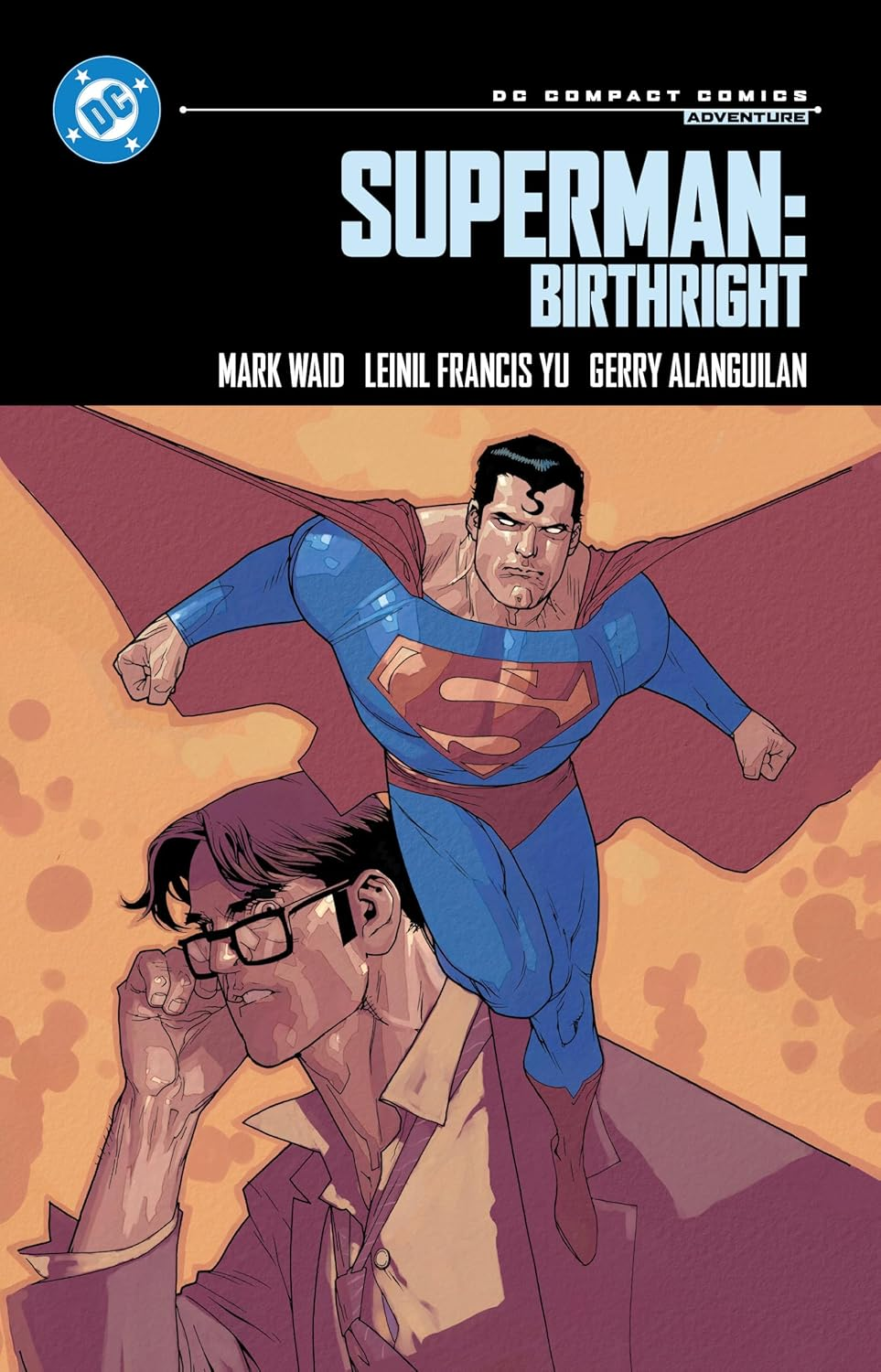
Superman: Birthright
Mark Waid and Leinil Yu introduced the idea that the “S” shield is a Kryptonian symbol meaning “Hope,” a detail that moved into the later movies. It focuses on Clark’s time as a globetrotting reporter before he settles in Metropolis. It’s a bright, hopeful story and widely considered one of the best entry points for Superman fans.
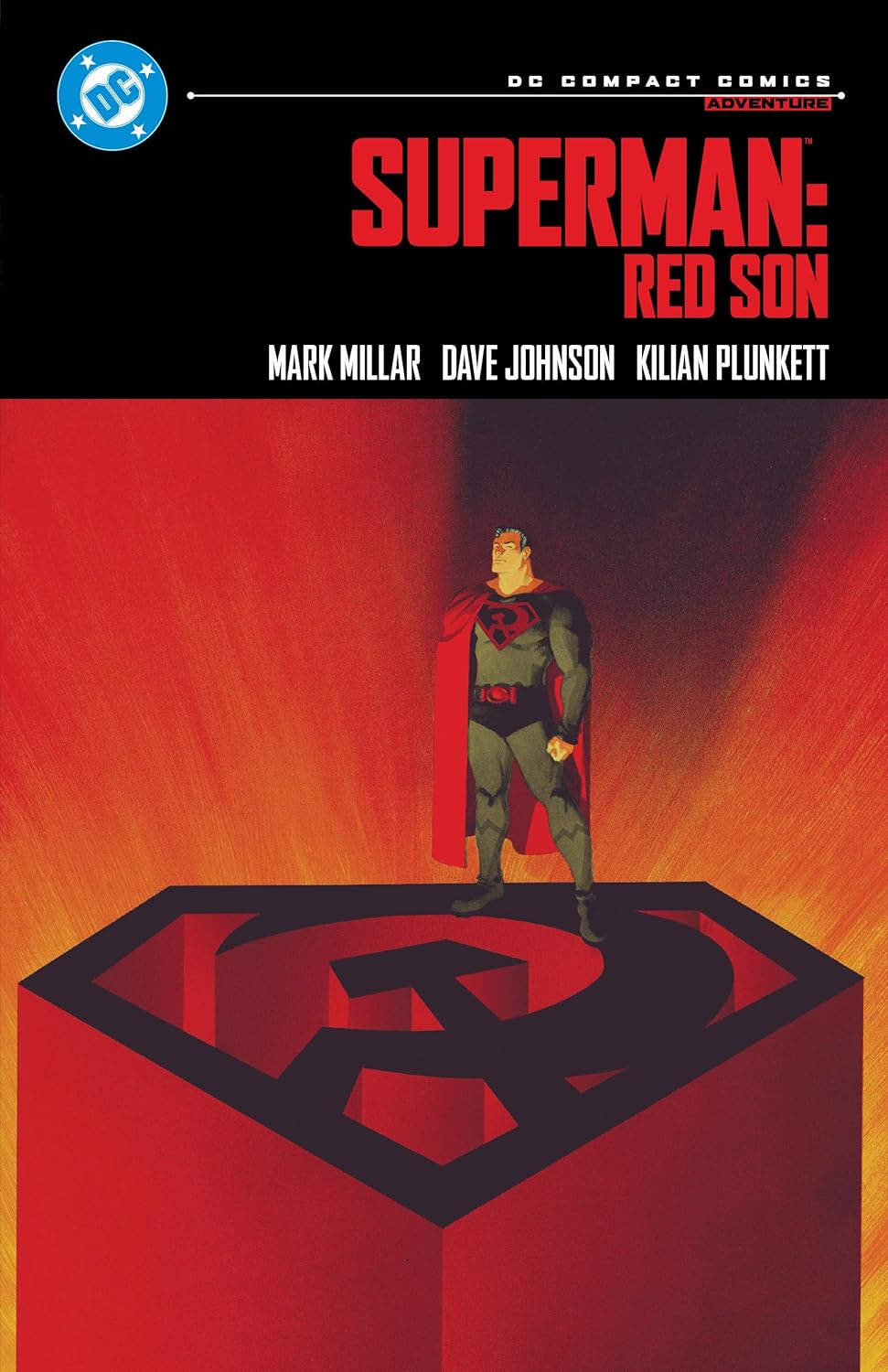
Superman: Red Son
Mark Millar reportedly got the idea for this legendary twist ending from fellow creator Grant Morrison during a late-night chat. This story follows a Superman who fights for Stalin and the expansion of the USSR. It’s a brilliant reimagining of the entire DC cast, including a resistance-fighter Batman and a scientist Lex Luthor. The ending is legendary.
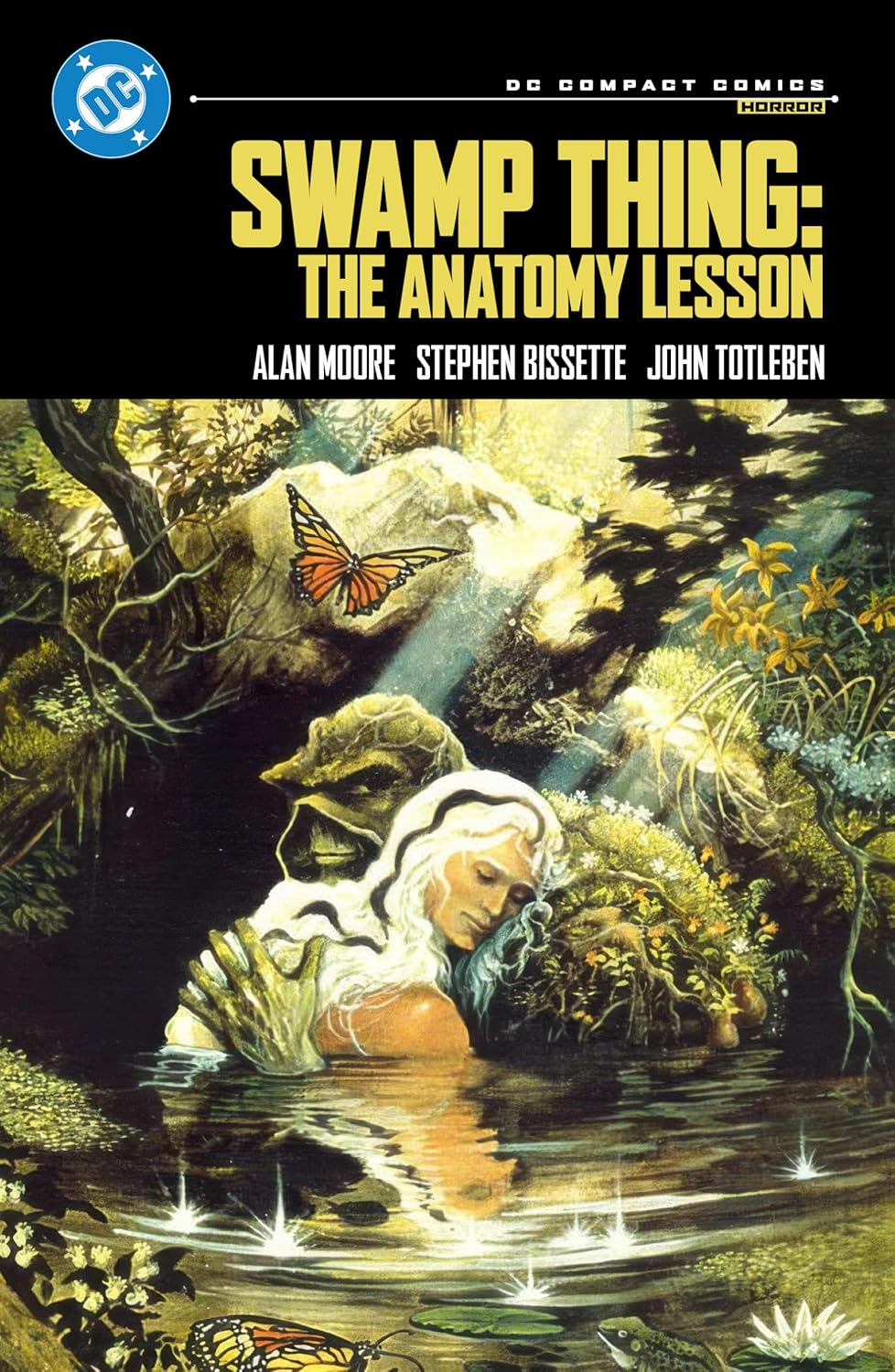
Swamp Thing: The Anatomy Lesson
Alan Moore began his revolutionary run here. He completely threw out decades of history by revealing Swamp Thing was a plant that thought it was a man. He took a standard monster comic and turned it into a sophisticated, philosophical horror story. This volume features the famous reveal about the creature’s true nature. It’s a foundational work that paved the way for the Vertigo imprint.
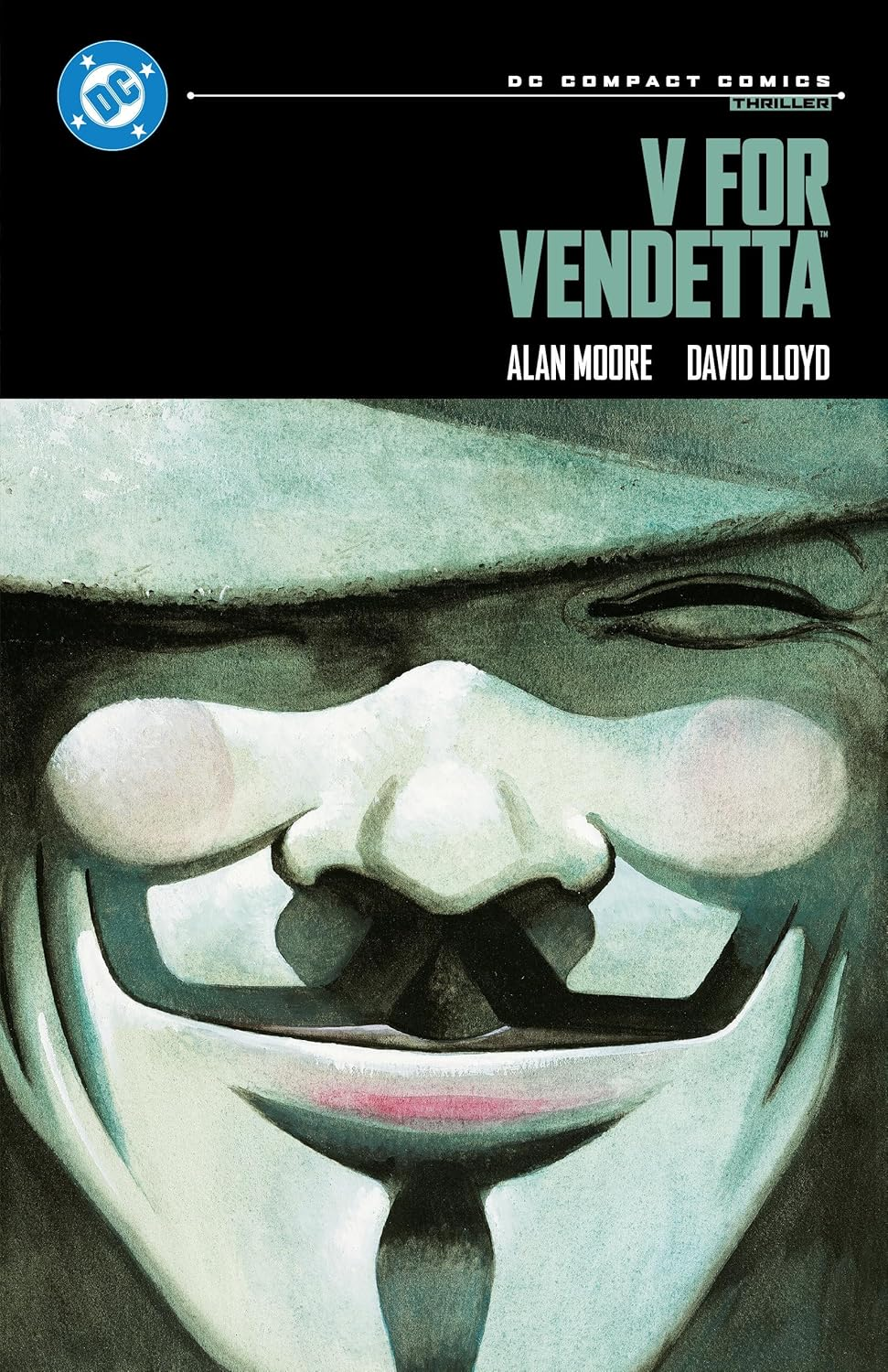
V for Vendetta
Alan Moore and David Lloyd created a haunting story whose mask design was later adopted as a real-world symbol by activists and protestors. It’s a dense, challenging book that explores the relationship between freedom and security. David Lloyd’s moody art style is iconic.
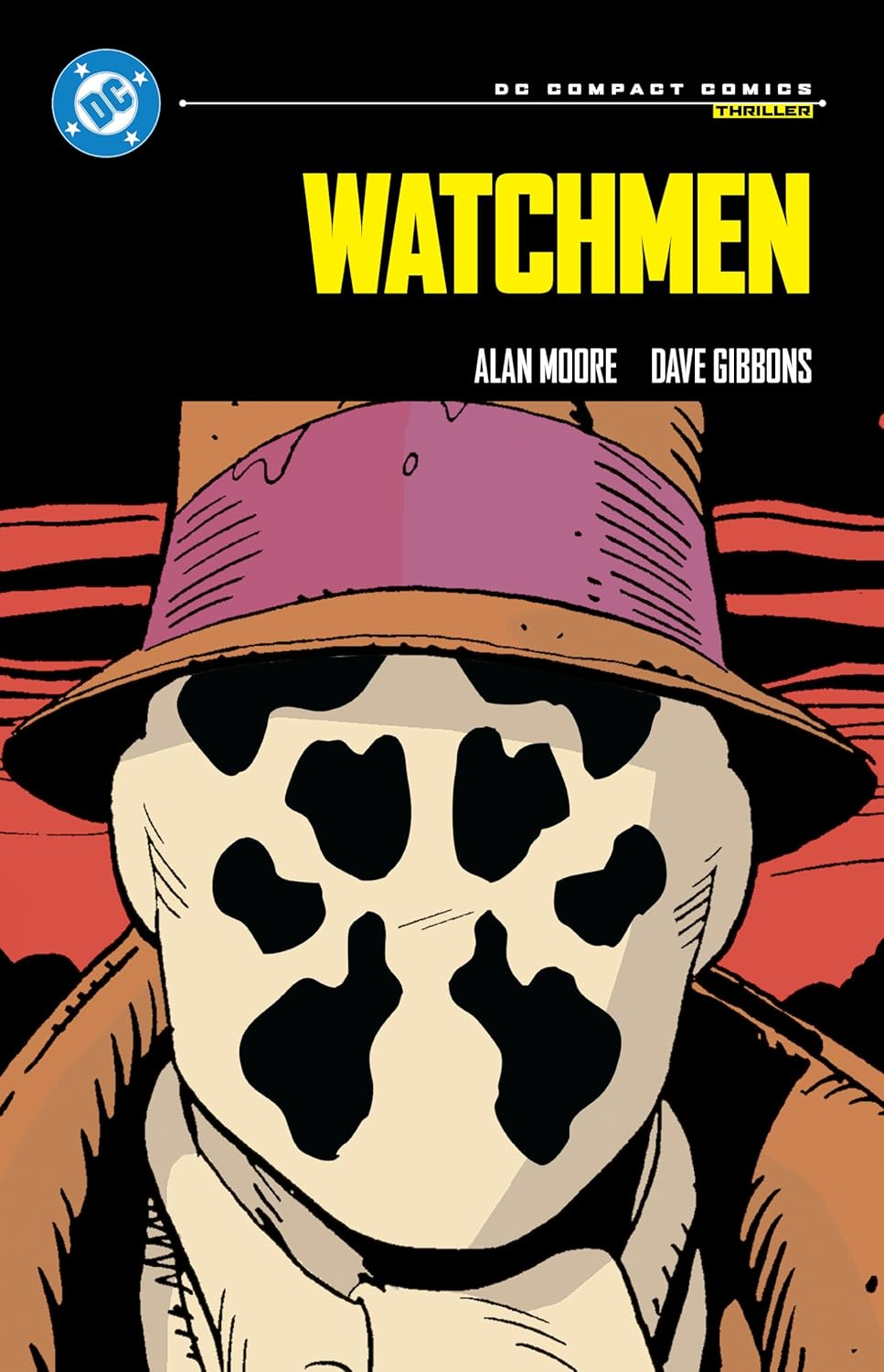
Watchmen
Alan Moore originally wanted to use old Charlton Comics characters like Blue Beetle and Question, but DC asked him to create new ones to protect the trademarks. It’s a complex mystery filled with symbolism and deep character work. This compact edition is the most affordable way to experience the greatest graphic novel of all time.
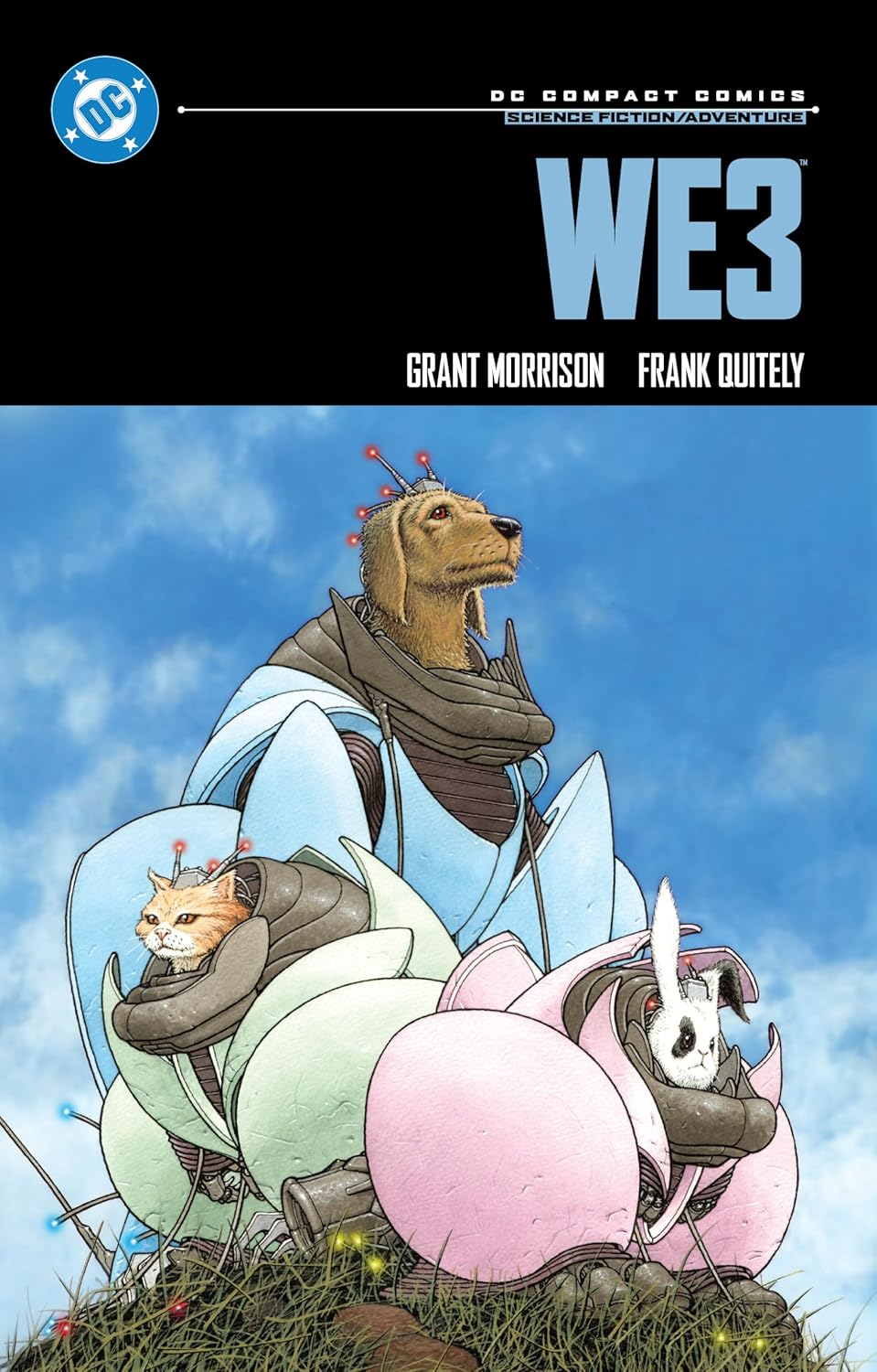
We3
Grant Morrison and Frank Quitely tell a heartbreaking story where the fractured panels are designed to show the incredible speed of animal movement. Three pets turned into weapons of war escape and try to find “home”. Quitely’s use of panels here was considered a technical breakthrough in sequential art.
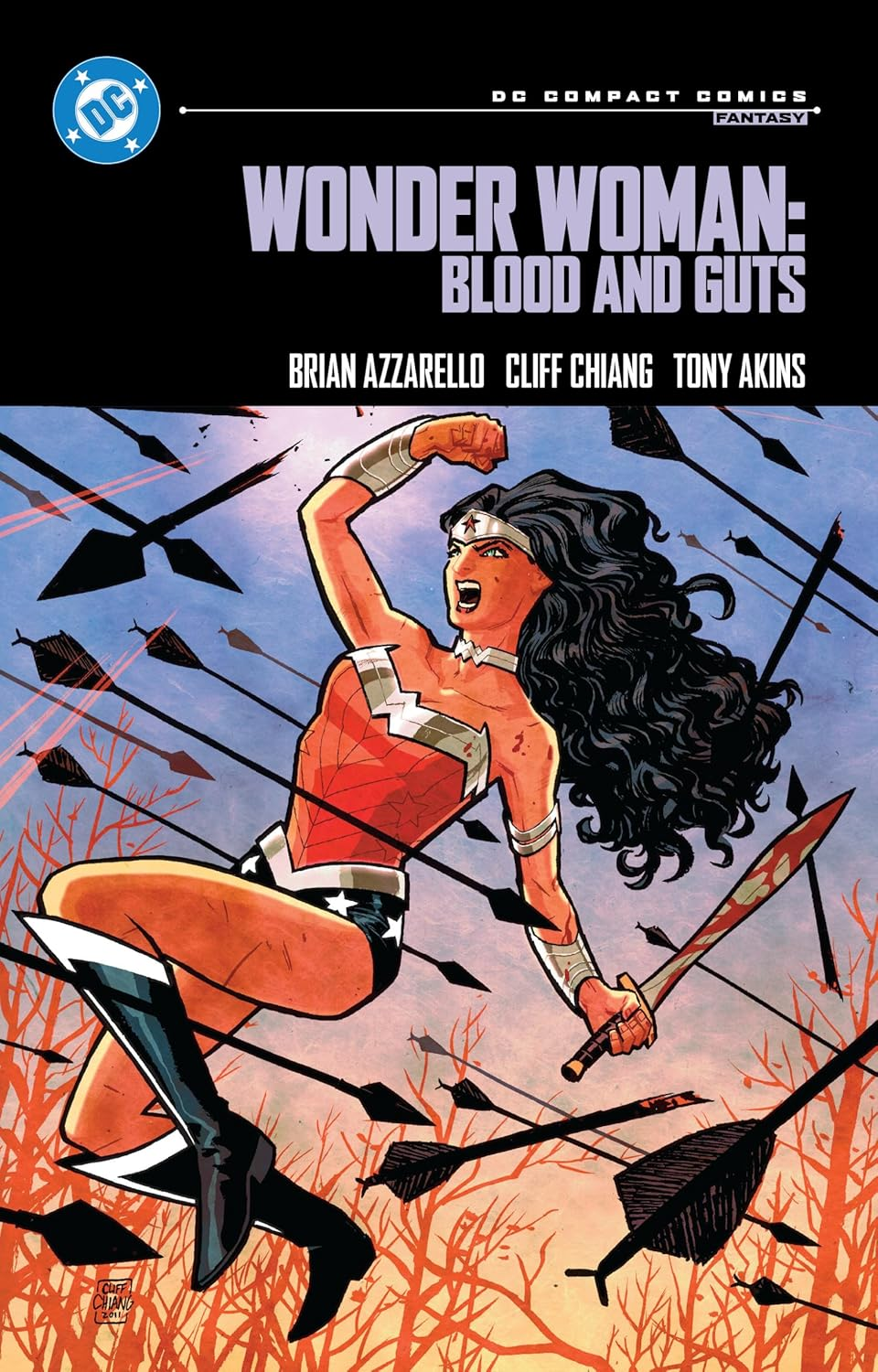
Wonder Woman: Blood and Guts
Brian Azzarello and Cliff Chiang took Diana into a world where the gods of Olympus have modern high-fashion looks. This New 52 run reveals a shocking secret about Wonder Woman’s birth (now retconned). Chiang’s clean, stylish art is a standout reimagining of the character.
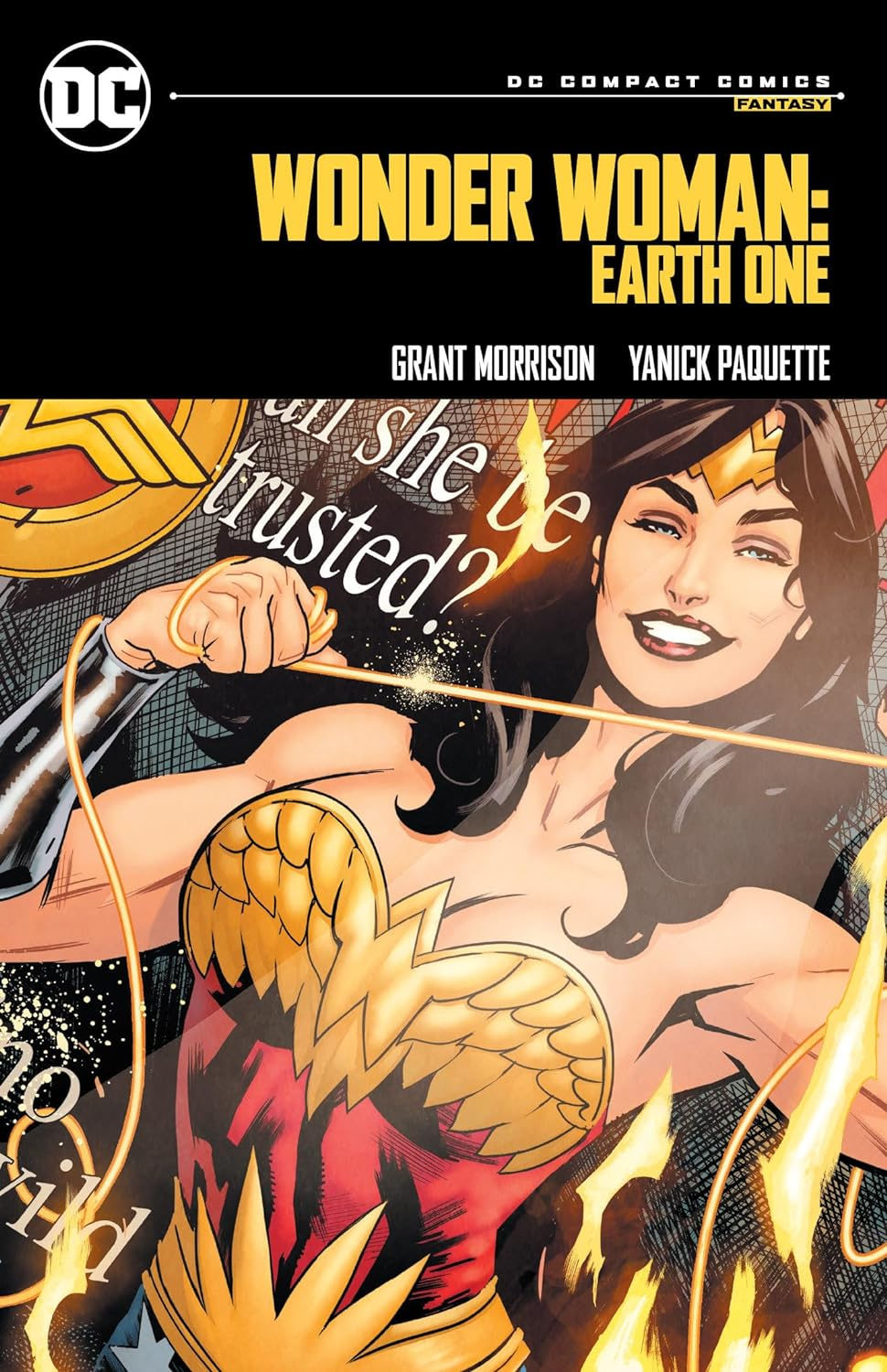
Wonder Woman: Earth One
Grant Morrison heavily researched the radical pacifist philosophy of Wonder Woman’s original creator, William Moulton Marston, for this standalone trilogy. It’s a provocative look at the Amazons and Diana’s arrival in a world of men. Paquette’s art is incredibly detailed and uses unique, flowing page borders. It’s a complete story that doesn’t require any prior knowledge of DC continuity.
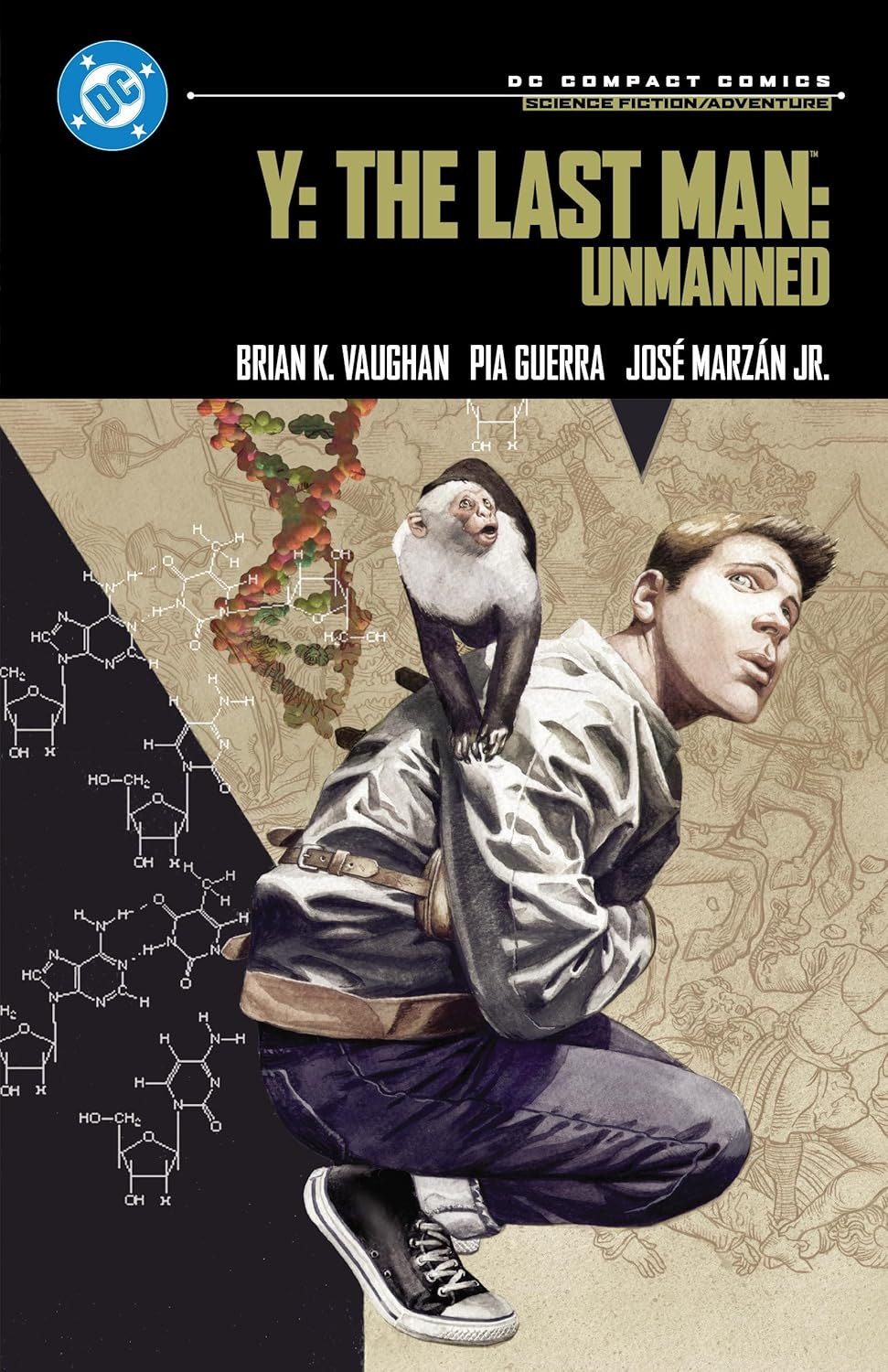
Y: The Last Man Book One
Brian K. Vaughan and Pia Guerra follow Yorick Brown and his pet monkey, Ampersand, who was inspired by real-world capuchin research for authenticity. He travels across a world of women to find his fiancé and discover the cause of the disaster. It’s a gripping adventure that deals with gender, politics, and survival. It’s one of the most addictive series in the medium.
Editor’s Note: We use affiliate links, such as Amazon Associates, to help support the site. We may earn a commission on qualifying purchases, which helps us keep KPB thriving and independent.