The X-Men's Solo Situation (Why Recent Titles Can't Stand Alone?)

The X-Men’s Solo Situation (Why Recent Titles Can’t Stand Alone?)

A.S Tiger | September 7, 2025

September 7, 2025

{acf_comic_author_date}

Marvel Comics recently celebrated the 400th issue of Wolverine with a special, oversized edition featuring guest writers and artists, along with a significant revelation for the character. Reaching 400 issues is a monumental feat in comics, and it’s a fitting tribute to an iconic character like Wolverine. He has not only been a cornerstone of some of the most memorable X-Men teams and stories but has also thrived on his own.

Wolverine quickly captivated both creators and fans from his first appearance and his subsequent joining of the X-Men. This rapid rise led to a landmark mini-series by Chris Claremont and Frank Miller that is still revered today. A long-running solo title, also called Wolverine, debuted in 1988, helmed by various creators but most notably by Larry Hama. Decades later, with a massive volume of solo comics, team-ups, and tie-ins, Wolverine is an enduring pillar of Marvel Comics. He is rarely absent from a major X-Men title and has his own solo series, making him a major success story for the X-Office.
The X-Women Solo Series Initiative

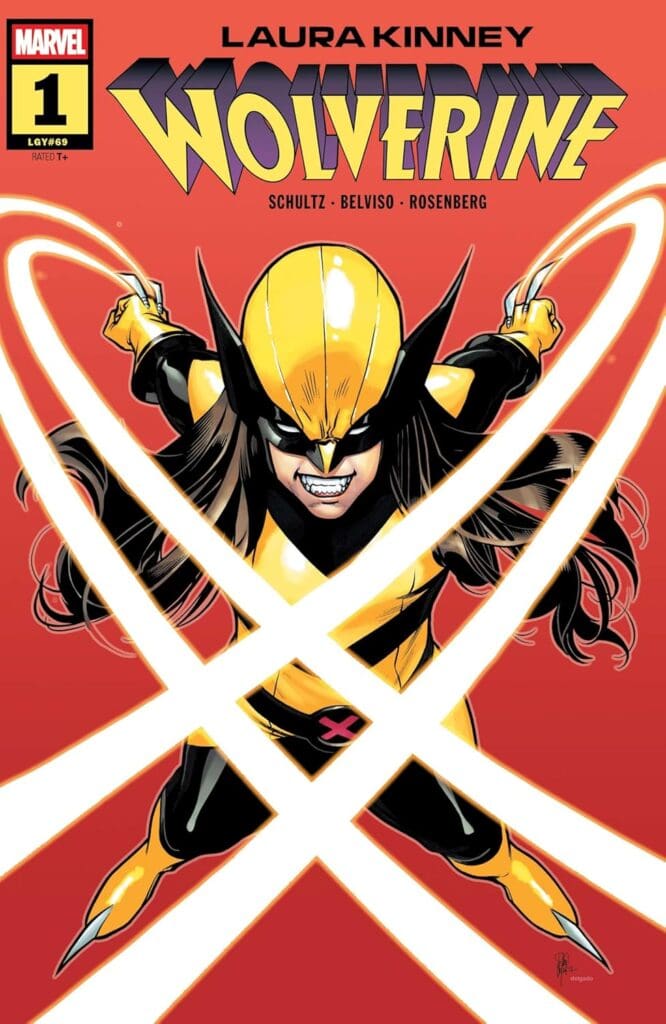
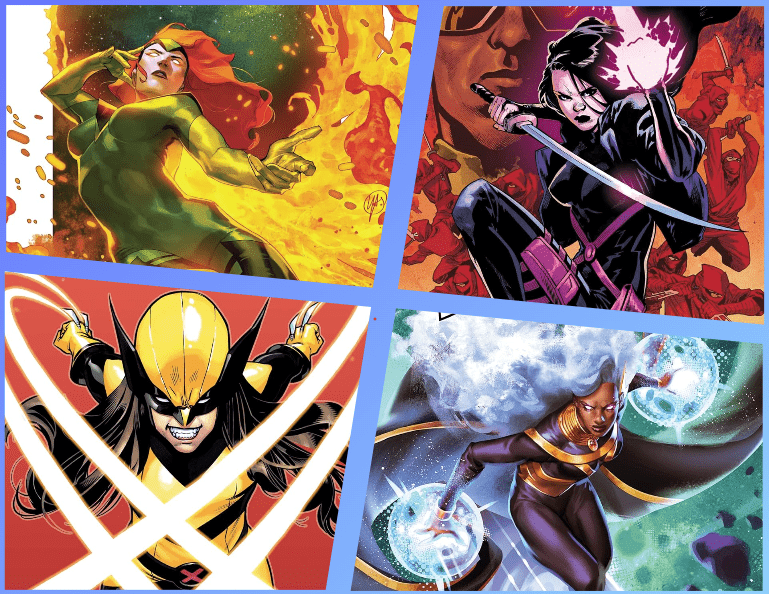
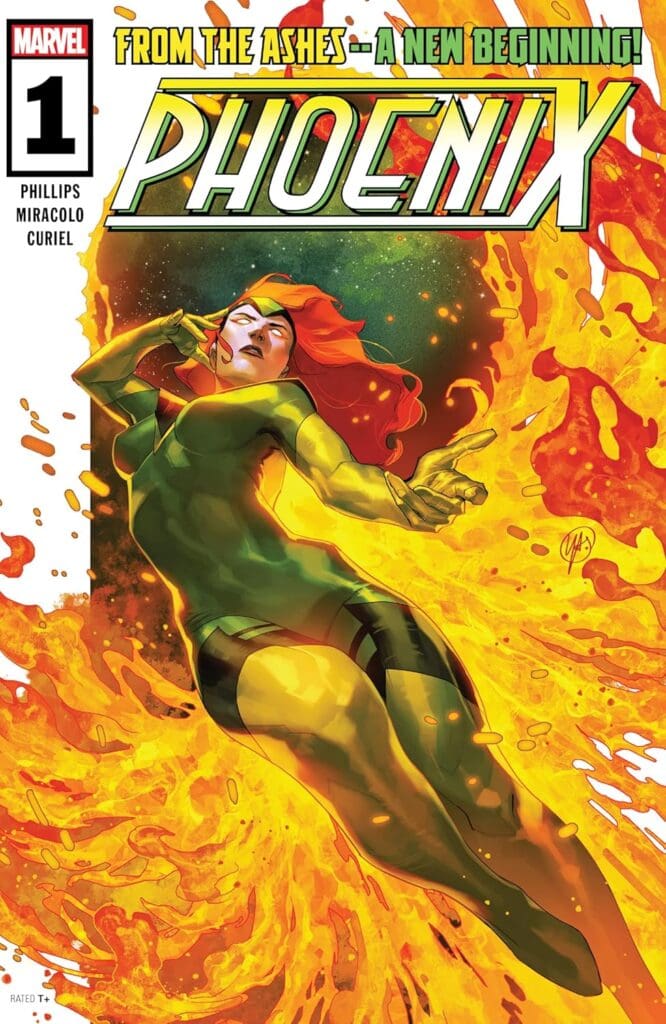
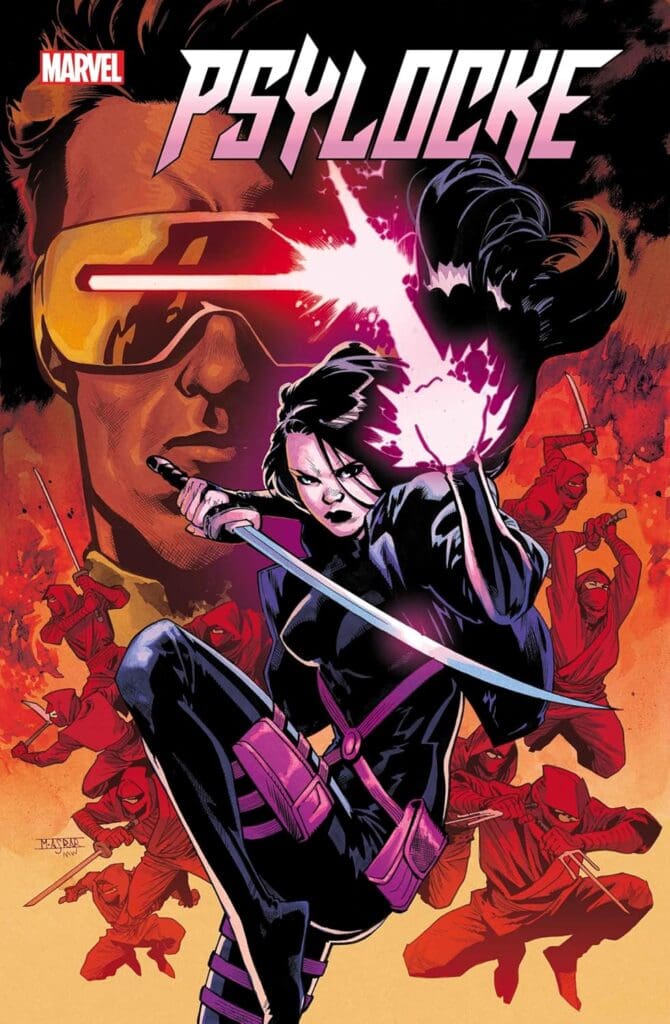
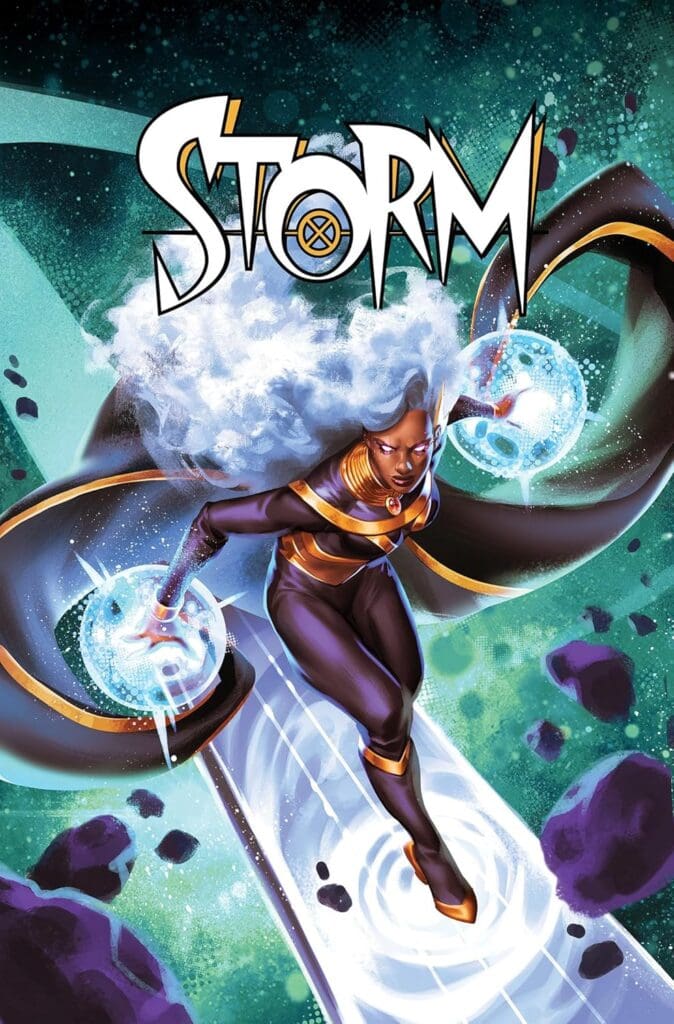
When Tom Brevoort took over the X-Men office in 2024, one of his boldest moves in the From the Ashes relaunch was to give several key female X-Men their own solo titles: Phoenix (Jean Grey), Storm, Psylocke, Laura Kinney, and Magik. All five are popular and iconic characters. Phoenix and Storm are household names from movies, TV shows, and classic video games. Psylocke found her fame in the commercially successful 1990s era of the X-Men. Magik and Laura Kinney have steadily gained momentum over the last two decades, becoming fixtures in major X-Men books.

While Laura Kinney has had successful solo runs before, the other four characters have never headlined their own ongoing series. Even during the X-Men ’90s peak, characters like Jean Grey and Storm received plenty of attention in team books and mini-series, but never ongoing attempts to turn them into solo stars like Wolverine or Cable. The announcement of these new books was exciting.

As a fan of all five characters, especially Phoenix and Storm, I was thrilled that Marvel was finally leveraging the incredible roster of women in the X-Men. It felt like a much-needed step for a company that has long lacked a “Wonder Woman”-type character. The potential for these books was huge, and the premises for Phoenix and Storm were particularly bold and inspiring. It was a very hopeful time.

A Year Later: What Went Wrong?

A year has passed since From the Ashes launched, and some of that initial excitement has faded. Phoenix (by Stephanie Phillips & Alessandra Miracolo, and Roi Mercado) will soon release its 15th issue, while Storm (by Murewa Ayodele & Lucas Werneck) is at 13 issues. Magik (by Ashley Allen & German Peralta), Psylocke (by Alyssa Wong & Vincenzo Carratu), and Laura Kinney: Wolverine (by Erica Schultz & Giada Belviso) are all approaching their 10th issues. One year and 10-15 issues in, something has unfortunately gone wrong. What could have dimmed my enthusiasm and left me doubting their future?

The specific issues aren’t the same for every title, but an underlying problem plagues them all: a lack of strong foundations. Every highly successful Marvel solo character, Wolverine, Spider-Man, Hulk, Daredevil, or Thor, has a strong storytelling foundation that has allowed their comics to continue for decades. These series, when all volumes are combined, span hundreds of issues. While conflicts and story arcs are often revisited, each character remains a huge success with an ongoing solo comic at any given time.

Consider the legendary runs that built these foundations: Walt Simonson’s work on Thor established the mythos and refined the supporting cast, Peter David’s 15-year run on Hulk defined the various alter egos of Bruce Banner, and Stan Lee and Steve Ditko built an entire ecosystem of characters around Peter Parker. These creators built a setting for their characters to thrive. In just 10 issues, Simonson introduced Beta Ray Bill, developed arcs for Balder and Sif, and told a compelling story about Thor and Odin.

Unfortunately, after 10 issues, the X-Men’s newest solo heroes haven’t been given the foundations they need to succeed long-term.

The Missing Foundations: Laura Kinney, Magik, and Psylocke

For any solo hero, a strong foundation is built on three key pillars: a meaningful supporting cast, a recurring rogues’ gallery, and a unique purpose or setting. Unfortunately, it seems that each new series falls short on at least one of these crucial elements. This problem is especially evident when looking at the recent launches for Laura Kinney, Magik, and Psylocke.

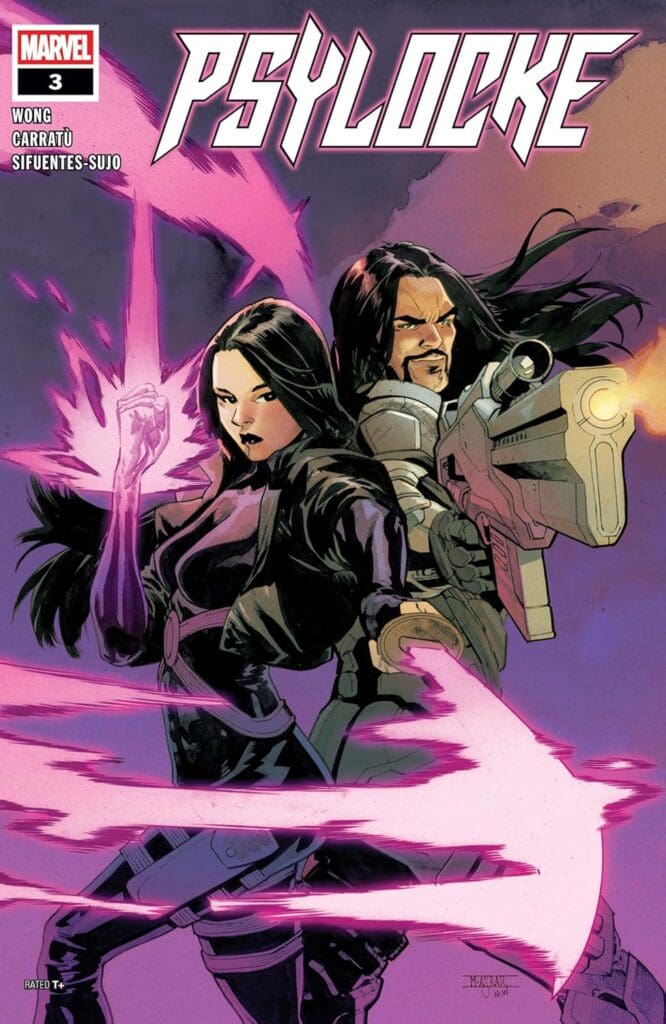
On the surface, all three of these titles have some strong supporting characters that provide unique insights or perspectives. Laura Kinney: Wolverine has her younger sister, Gabby. Psylocke has Greycrow, her boyfriend. Magik has Dani Moonstar, her close friend and fellow New Mutant. However, their primary failing is in the third area: a unique purpose or setting. While not fundamentally identical, the characters overlap in enough places that differentiation has become a problem. All three women use bladed weapons and have similar fighting styles; their aesthetics lean toward dark and gothic, and all three have traumatic, weaponized childhoods.

The result is a sameness in vibe and aesthetic, particularly for Laura Kinney: Wolverine and Psylocke, that makes it difficult for them to offer a unique experience. Magik fares a bit better with its focus on mystical elements, but overall, launching all three as ongoings so close together may have been a mistake.

Phoenix and Storm

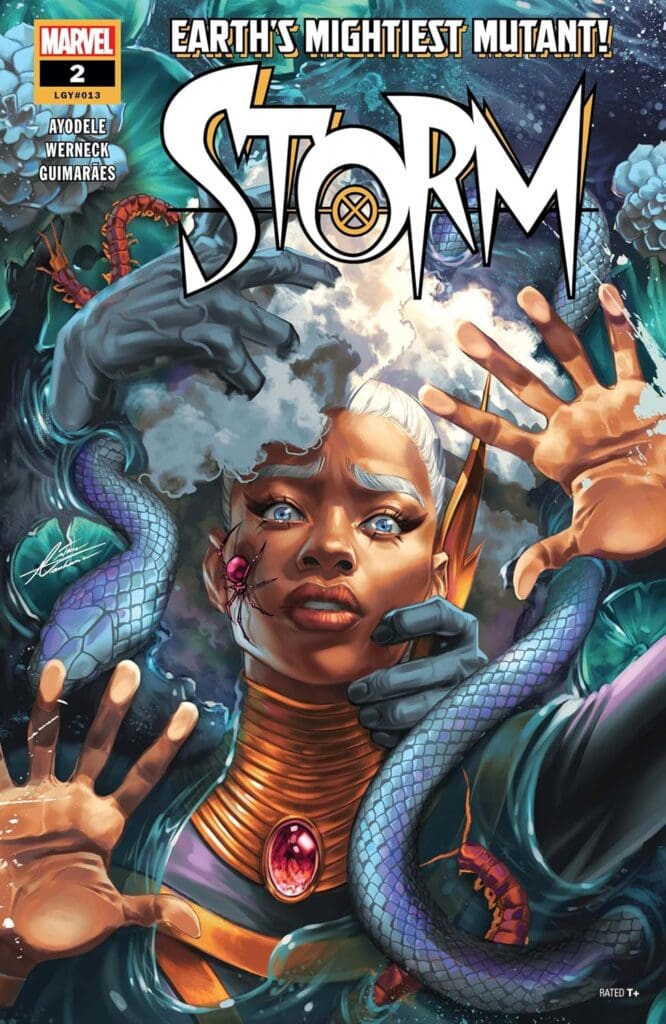
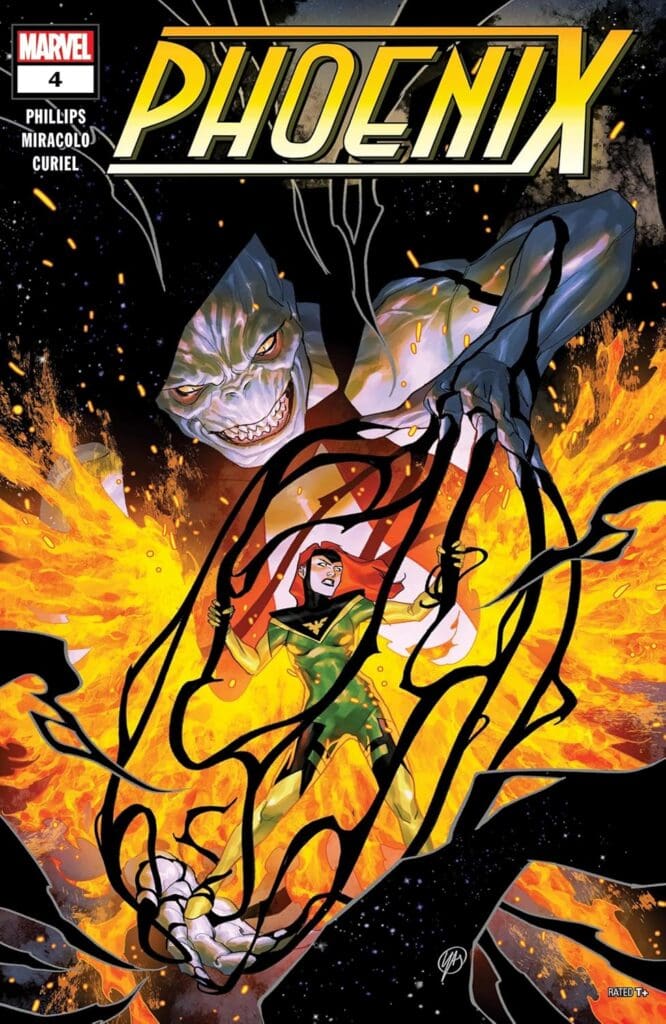
When they launched, Phoenix and Storm felt the most promising. Phoenix was positioned as a cosmic title, exploring a long-neglected area of the Marvel Universe and leveraging the character’s vast power. Storm was billed as “Earth’s Mightiest Mutant,” an almost “Wonder Woman”-like hero who would be part of the Avengers.

However, a year in, these two titles have the weakest foundations. Part of this isn’t the creative teams’ fault. The natural supporting casts for Phoenix and Storm, characters like Cyclops, Nightcrawler, Rachel Grey, and Colossus, are all occupied in other major Marvel titles. The books try to compensate with characters like Corsair, Nova, Rocket, and Doctor Voodoo. Except for Corsair, these characters are too distant and underdeveloped to provide a meaningful connection or dynamic.

The problems continue with the villains. Phoenix started with a promising rogues’ gallery of Dark Gods, Thanos, and Gladiator. But Thanos and Gladiator are unceremoniously dropped, and the Dark Gods are dispatched so easily that the reader wonders why they were even a threat. Storm is almost entirely devoid of a villain. Instead, an end-of-the-universe threat in the form of Hadad, the First Thunder God, is introduced. This character is so preposterously powerful and detached from Storm that a returning threat seems unlikely.

Even the unique settings have blended together. Phoenix has been surprisingly small in scale, while Storm has unexpectedly become a cosmic title. The sameness that plagues the other three books now extends to these two.

Building the Solo Titles Future, Together

This isn’t to say that these titles are doomed to fail. While Psylocke has unfortunately been canceled, there is still hope. Ten to fifteen issues is still early. Phoenix has recently lost its creative team, but a new one might be just what the book needs to succeed. There is still time to lay the groundwork for a solid, long-term run and a bright future as solo characters. But the work needs to be done quickly.

These characters are full of promise. Tom Brevoort showed the right instincts in choosing them for solo titles and in the initial setups for some of the books. If the right creators are selected and these storytelling fundamentals are properly built, we could one day celebrate the 400th issue of Phoenix or Storm.

What do you think are the biggest challenges for these characters to succeed on their own? Let us know your thoughts on the X-Men solo titles.

The X-Men's Solo Situation (Why Recent Titles Can't Stand Alone?)

The X-Men’s Solo Situation (Why Recent Titles Can’t Stand Alone?)

September 7, 2025

{acf_comic_author_date}

Marvel Comics recently celebrated the 400th issue of Wolverine with a special, oversized edition featuring guest writers and artists, along with a significant revelation for the character. Reaching 400 issues is a monumental feat in comics, and it’s a fitting tribute to an iconic character like Wolverine. He has not only been a cornerstone of some of the most memorable X-Men teams and stories but has also thrived on his own.

Wolverine quickly captivated both creators and fans from his first appearance and his subsequent joining of the X-Men. This rapid rise led to a landmark mini-series by Chris Claremont and Frank Miller that is still revered today. A long-running solo title, also called Wolverine, debuted in 1988, helmed by various creators but most notably by Larry Hama. Decades later, with a massive volume of solo comics, team-ups, and tie-ins, Wolverine is an enduring pillar of Marvel Comics. He is rarely absent from a major X-Men title and has his own solo series, making him a major success story for the X-Office.
The X-Women Solo Series Initiative

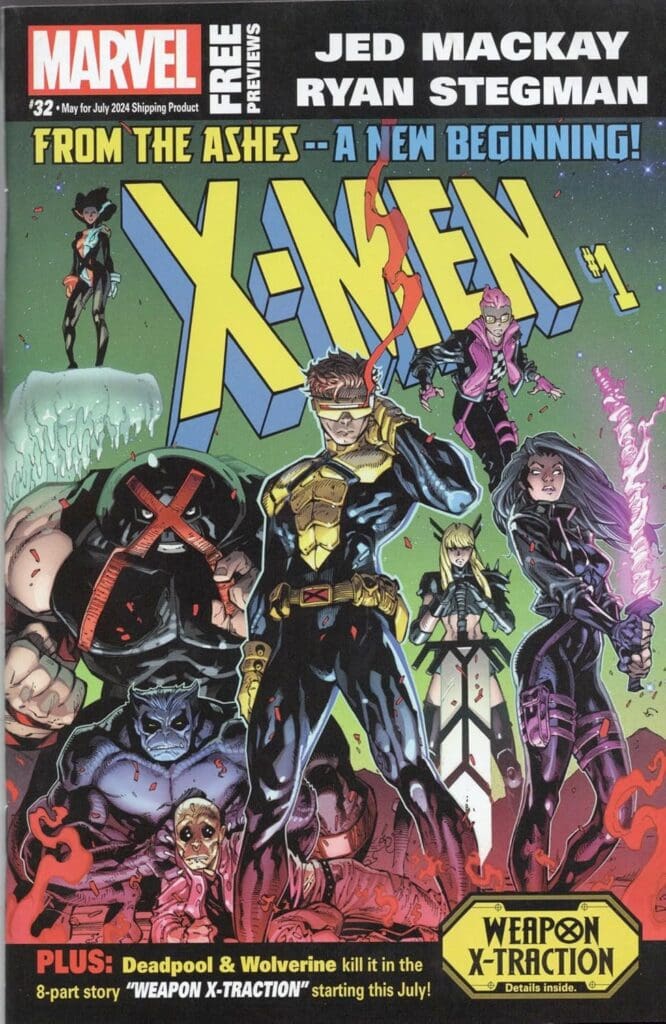
When Tom Brevoort took over the X-Men office in 2024, one of his boldest moves in the From the Ashes relaunch was to give several key female X-Men their own solo titles: Phoenix (Jean Grey), Storm, Psylocke, Laura Kinney, and Magik. All five are popular and iconic characters. Phoenix and Storm are household names from movies, TV shows, and classic video games. Psylocke found her fame in the commercially successful 1990s era of the X-Men. Magik and Laura Kinney have steadily gained momentum over the last two decades, becoming fixtures in major X-Men books.

While Laura Kinney has had successful solo runs before, the other four characters have never headlined their own ongoing series. Even during the X-Men ’90s peak, characters like Jean Grey and Storm received plenty of attention in team books and mini-series, but never ongoing attempts to turn them into solo stars like Wolverine or Cable. The announcement of these new books was exciting.

As a fan of all five characters, especially Phoenix and Storm, I was thrilled that Marvel was finally leveraging the incredible roster of women in the X-Men. It felt like a much-needed step for a company that has long lacked a “Wonder Woman”-type character. The potential for these books was huge, and the premises for Phoenix and Storm were particularly bold and inspiring. It was a very hopeful time.
A Year Later: What Went Wrong?

A year has passed since From the Ashes launched, and some of that initial excitement has faded. Phoenix (by Stephanie Phillips & Alessandra Miracolo, and Roi Mercado) will soon release its 15th issue, while Storm (by Murewa Ayodele & Lucas Werneck) is at 13 issues. Magik (by Ashley Allen & German Peralta), Psylocke (by Alyssa Wong & Vincenzo Carratu), and Laura Kinney: Wolverine (by Erica Schultz & Giada Belviso) are all approaching their 10th issues. One year and 10-15 issues in, something has unfortunately gone wrong. What could have dimmed my enthusiasm and left me doubting their future?

The specific issues aren’t the same for every title, but an underlying problem plagues them all: a lack of strong foundations. Every highly successful Marvel solo character, Wolverine, Spider-Man, Hulk, Daredevil, or Thor, has a strong storytelling foundation that has allowed their comics to continue for decades. These series, when all volumes are combined, span hundreds of issues. While conflicts and story arcs are often revisited, each character remains a huge success with an ongoing solo comic at any given time.

Consider the legendary runs that built these foundations: Walt Simonson’s work on Thor established the mythos and refined the supporting cast, Peter David’s 15-year run on Hulk defined the various alter egos of Bruce Banner, and Stan Lee and Steve Ditko built an entire ecosystem of characters around Peter Parker. These creators built a setting for their characters to thrive. In just 10 issues, Simonson introduced Beta Ray Bill, developed arcs for Balder and Sif, and told a compelling story about Thor and Odin.

Unfortunately, after 10 issues, the X-Men’s newest solo heroes haven’t been given the foundations they need to succeed long-term.
The Missing Foundations: Laura Kinney, Magik, and Psylocke

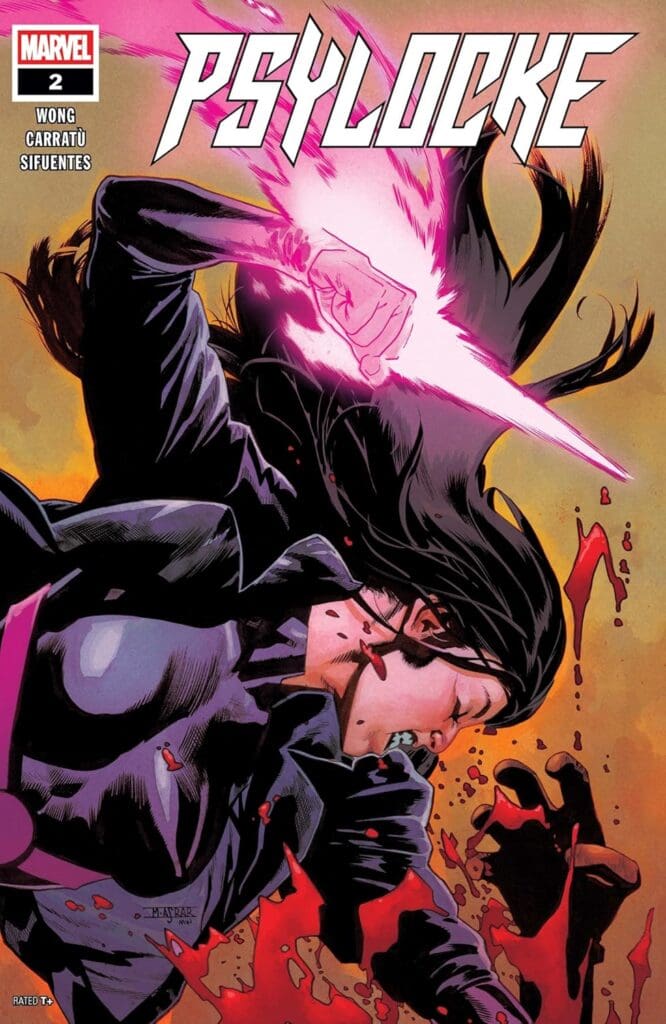
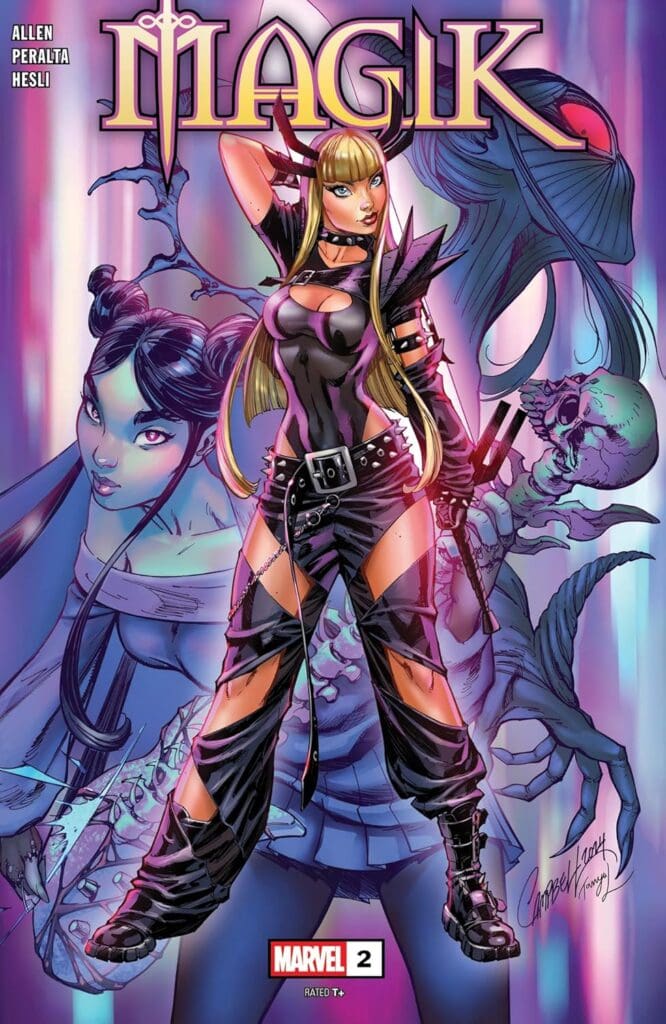
For any solo hero, a strong foundation is built on three key pillars: a meaningful supporting cast, a recurring rogues’ gallery, and a unique purpose or setting. Unfortunately, it seems that each new series falls short on at least one of these crucial elements. This problem is especially evident when looking at the recent launches for Laura Kinney, Magik, and Psylocke.

On the surface, all three of these titles have some strong supporting characters that provide unique insights or perspectives. Laura Kinney: Wolverine has her younger sister, Gabby. Psylocke has Greycrow, her boyfriend. Magik has Dani Moonstar, her close friend and fellow New Mutant. However, their primary failing is in the third area: a unique purpose or setting. While not fundamentally identical, the characters overlap in enough places that differentiation has become a problem. All three women use bladed weapons and have similar fighting styles; their aesthetics lean toward dark and gothic, and all three have traumatic, weaponized childhoods.

The result is a sameness in vibe and aesthetic, particularly for Laura Kinney: Wolverine and Psylocke, that makes it difficult for them to offer a unique experience. Magik fares a bit better with its focus on mystical elements, but overall, launching all three as ongoings so close together may have been a mistake.
Phoenix and Storm

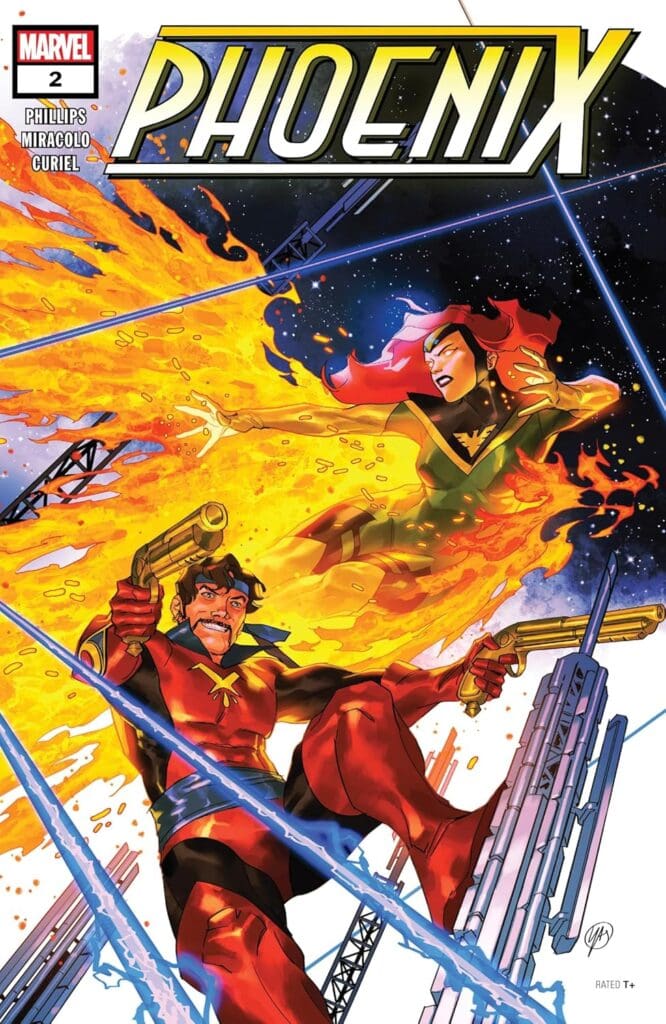
When they launched, Phoenix and Storm felt the most promising. Phoenix was positioned as a cosmic title, exploring a long-neglected area of the Marvel Universe and leveraging the character’s vast power. Storm was billed as “Earth’s Mightiest Mutant,” an almost “Wonder Woman”-like hero who would be part of the Avengers.

However, a year in, these two titles have the weakest foundations. Part of this isn’t the creative teams’ fault. The natural supporting casts for Phoenix and Storm, characters like Cyclops, Nightcrawler, Rachel Grey, and Colossus, are all occupied in other major Marvel titles. The books try to compensate with characters like Corsair, Nova, Rocket, and Doctor Voodoo. Except for Corsair, these characters are too distant and underdeveloped to provide a meaningful connection or dynamic.

The problems continue with the villains. Phoenix started with a promising rogues’ gallery of Dark Gods, Thanos, and Gladiator. But Thanos and Gladiator are unceremoniously dropped, and the Dark Gods are dispatched so easily that the reader wonders why they were even a threat. Storm is almost entirely devoid of a villain. Instead, an end-of-the-universe threat in the form of Hadad, the First Thunder God, is introduced. This character is so preposterously powerful and detached from Storm that a returning threat seems unlikely.

Even the unique settings have blended together. Phoenix has been surprisingly small in scale, while Storm has unexpectedly become a cosmic title. The sameness that plagues the other three books now extends to these two.
Building the Solo Titles Future, Together

This isn’t to say that these titles are doomed to fail. While Psylocke has unfortunately been canceled, there is still hope. Ten to fifteen issues is still early. Phoenix has recently lost its creative team, but a new one might be just what the book needs to succeed. There is still time to lay the groundwork for a solid, long-term run and a bright future as solo characters. But the work needs to be done quickly.

These characters are full of promise. Tom Brevoort showed the right instincts in choosing them for solo titles and in the initial setups for some of the books. If the right creators are selected and these storytelling fundamentals are properly built, we could one day celebrate the 400th issue of Phoenix or Storm.

What do you think are the biggest challenges for these characters to succeed on their own? Let us know your thoughts on the X-Men solo titles.
Share:

Comments

Leave the first comment

<!-- if comments are disabled for this post then hide comments container -->
<style> 
<?php if(!comments_open()) { echo "#nfps-comments-container {display: none !important;}"; }?>
</style>