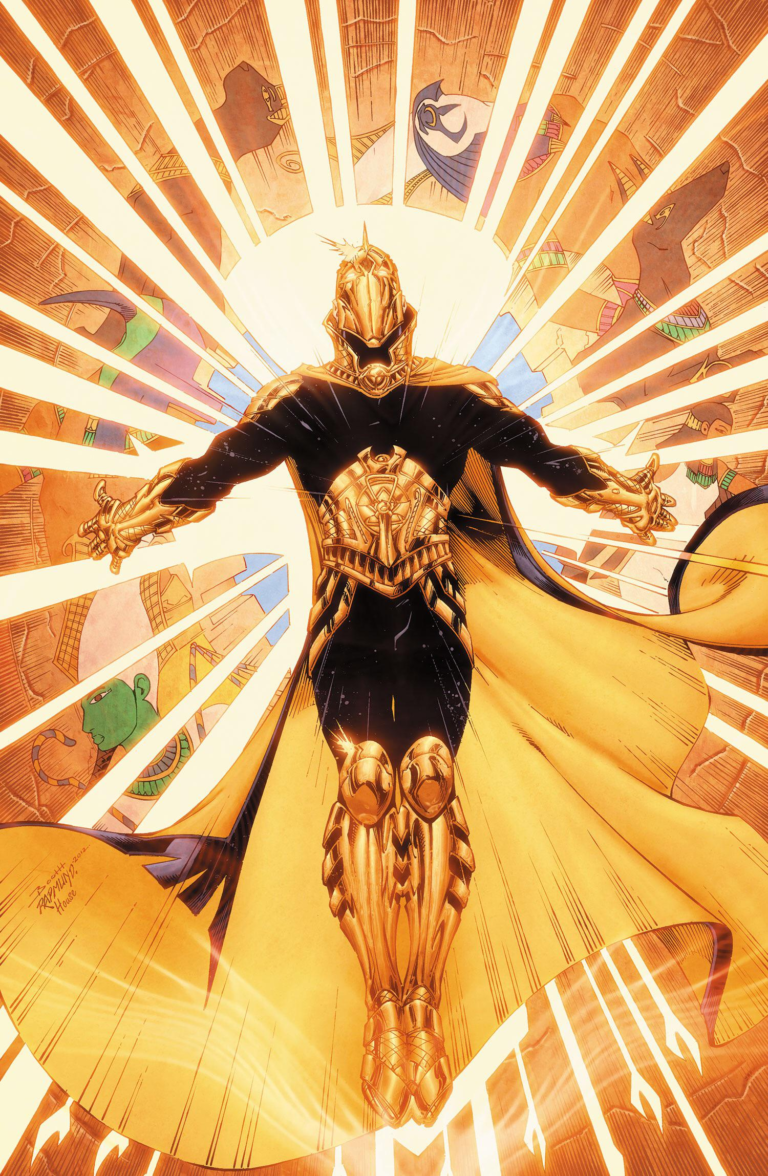
A golden armored character stands with arms outstretched, radiating light, surrounded by ancient Egyptian motifs, symbolizing power and transformation.

The Doctor Fate Problem: DC Has a ‘Superman of Magic’ and No Idea How to Use Him

Phillip Creary | December 7, 2025

December 7, 2025

If you picked up the historic DC/Marvel: Batman/Deadpool #1 crossover last month, you probably flipped straight to the backup story. You know the one I’m talking about—the James Tynion IV and Scott Snyder joint titled “A Magician Walks Into a Universe.” It was perfect. You had Doctor Strange’s pompous, high-fantasy “By the Hoary Hosts of Hoggoth!” energy clashing beautifully with John Constantine’s grimy, chain-smoking cynicism inside the Sanctum Sanctorum. It was a masterclass in magical contrast that proved just how much fans love seeing these archetypes butt heads.

But as I put the book down, I couldn’t help but feel a little bitter. Because while Marvel’s Sorcerer Supreme is out here getting superstar crossovers and movie trilogies, DC’s heavy hitter (the guy who actually rivals Strange in power) is nowhere to be found.

We are deep into the “All In” era with the Justice League back in action, yet Doctor Fate remains a ghost. Yes, he shows up in the background now and then, but it’s baffling to me that DC is sitting on the coolest design in comics (gold helmet drip is undefeated), yet they treat him like a glorified plot device. DC’s “Superman of Magic” is currently the biggest wasted asset in the industry, and frankly, the excuses for benching him are starting to wear thin.
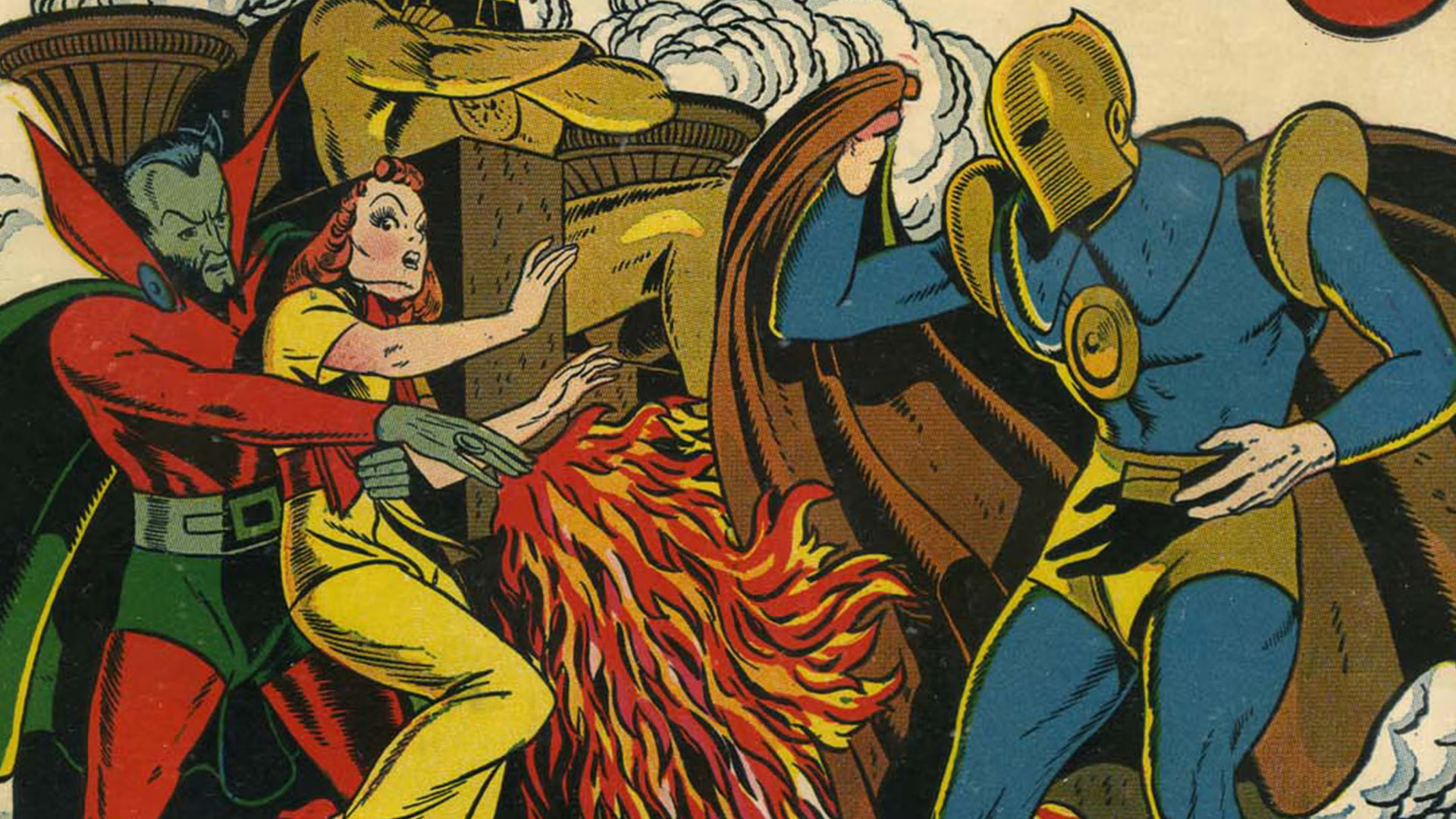
Doctor Fate vs Wotan

The “Too Powerful” Myth: Why DC Editorial Sidelines Nabu

If you corner a DC editor at a convention and ask where the Doctor Fate solo series is, they will almost always give you the same tired answer: “He’s too powerful to write.” Their logic goes like this: When you put on the Helmet of Fate, you stop being a person and become Nabu, a Lord of Order. You lose your humanity, your emotions, and your flaws, essentially becoming a magical robot who fixes reality with a wave of his hand. They argue that it is impossible to write a compelling drama about a guy who has no mortgage, no girlfriend, and no fear of death.

However, this isn’t the bug they think it is, and if you look at the current market, they would see it is actually the character’s most interesting feature. Marvel figured this out decades ago with the Hulk. They know the real drama isn’t about the monster; it’s about the man trying to hold back the monster. We are living in the golden age of the “internal monologue,” and Doctor Fate is primed for the exact solution that is currently selling like crazy for other publishers.

Readers love characters who are at war with themselves. We see it with Jaime Reyes in Blue Beetle, with the resurgence of Moon Knight, and especially with Eddie Brock in Venom. The dynamic of a human host arguing with an alien passenger is a proven, bestselling formula. It allows for banter, exposition, and deep character growth without needing a sidekick in the room. DC keeps writing Fate as a generic wizard casting spells when they should be writing a psychological thriller about a human host arguing with the alien voice in their head.

Imagine a book where the conflict isn’t just Good vs. Evil, but Empathy vs. Efficiency. This is where the horror elements come in. You could have a host—let’s say the medical doctor Khalid Nassour—who wants to use his god-like power to cure a kid’s cancer, stop a mugging, or hold up a collapsing building. But in his ear, he has Nabu screaming that individual lives are statistically irrelevant to the Cosmic Order. The host is desperate to save them, while the Helmet demands they be left to die because their death corrects an imbalance in the timeline. That isn’t a boring Superman story; that is a hostage situation taking place inside a superhero’s skull. It turns the ultimate power fantasy into a terrifying battle for free will, where every time the hero summons the magic to save the day, they have to negotiate with a god who wants to erase them.
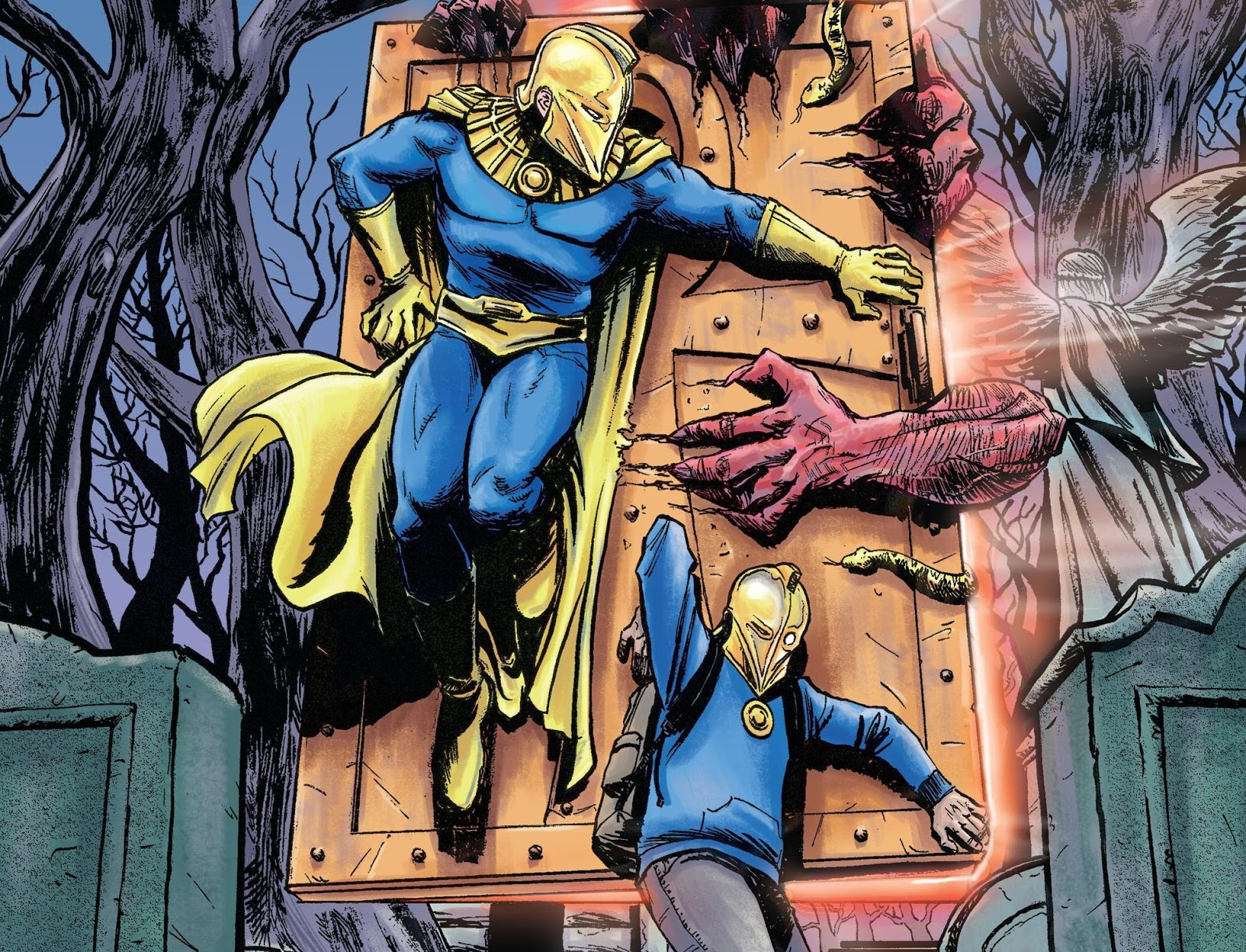
DC’s Doctor Fate (Kent Nelson & Khalid Nassour)

Khalid Nassour: The Medical Doctor Who Solves the “Humanity” Issue

The most frustrating part of this entire situation isn’t that DC lacks the ideas; it’s that they have the perfect leading man already parked on the bench, and they are refusing to put him in the game. Khalid Nassour, Kent Nelson’s grand-nephew, has been floating around the Justice Society books and Justice League Dark backup strips for years now. But Khalid isn’t just another sorcerer in a cape—he is an actual, practicing medical doctor. And that distinction changes everything.

This setup is absolute narrative gold because it creates a conflict we haven’t seen before: The Man of Science versus The Lord of Magic. Think about the dramatic potential of that specific clash. Khalid is bound by the Hippocratic Oath to “do no harm” and to save every single patient he touches. Nabu, on the other hand, is a cosmic entity who views death as just another part of the necessary equation. Khalid wants to triage the patient to save the person; Nabu wants to excise the infection to save the universe, even if it kills the host.

By actively ignoring Khalid’s background, DC is robbing Doctor Fate of the one thing that makes high-concept magic characters relatable: the struggle of having a day job. We love Spider-Man because he has to pay rent. We love Daredevil because he has to get to court in the morning. A solo series about Khalid trying to survive a brutal residency at a Brooklyn hospital—running on no sleep, fueled by bad coffee, and trying to hide the fact that he just spent all night fighting demons in the 4th Dimension—grounds the character in a way Kent Nelson never could.

It is baffling that DC has a character who essentially solves the “God Problem” by grounding it in the gritty reality of an ER room, yet they treat him like an afterthought. They have a Spider-Man formula sitting right there (a young, stressed-out hero trying to balance his responsibility to his family, his job, and the cosmos), and they are leaving it on the shelf.
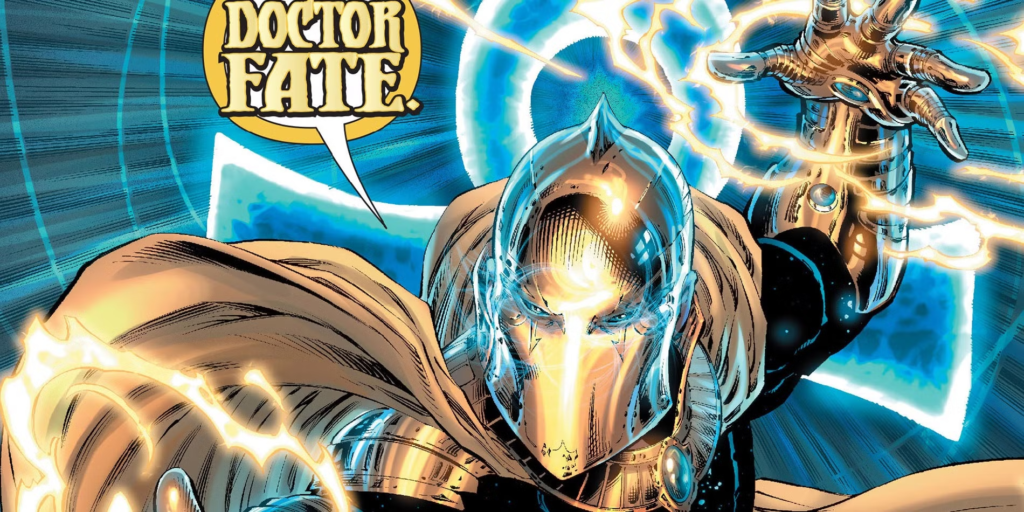
Wontan vs Earth 2’s Doctor Fate (Khalid Nassour)

The Rejected Tom King Pitch: DC’s Missed Opportunity

We know that top-tier talent wants to fix this, and we have the receipts to prove it. A few years ago, Tom King (the writer behind modern masterpieces like Mister Miracle, The Vision, and Supergirl: Woman of Tomorrow) pitched a darker, psychological Doctor Fate series to DC editorial. And he didn’t just pitch it alone; he wanted to do it with his frequent collaborator Mitch Gerads.

For context, King and Gerads are the team that won Eisner Awards for Mister Miracle, a book that took a goofy Jack Kirby character and turned him into a profound exploration of trauma, depression, and domestic life. That is exactly the energy Doctor Fate needs. King explicitly confirmed in an interview on the Word Balloon podcast that he had a “cool Doctor Fate pitch” ready to go. The concept likely would have deconstructed the man inside the helmet, exploring the horrifying isolation of being an Agent of Order, much like how The Vision explored the horror of an android trying to be a suburban dad.

They turned him down. According to King, editorial steered him away from the project because they wanted him on the flagship title, Batman. From a business standpoint, you can see the logic; you put your biggest star on your biggest book. But from a creative standpoint, it is a tragedy. When you have an Eisner-winning writer begging to revitalize a B-list character, and you say no because you’d rather publish a fifteenth Batman title, you aren’t protecting the brand. You’re stagnating it. You are telling creators that unless they are writing the Trinity, their passion projects don’t matter. We missed out on what could have been the definitive Doctor Fate run of the 21st century, all because DC was too afraid to take a risk on the helmet.
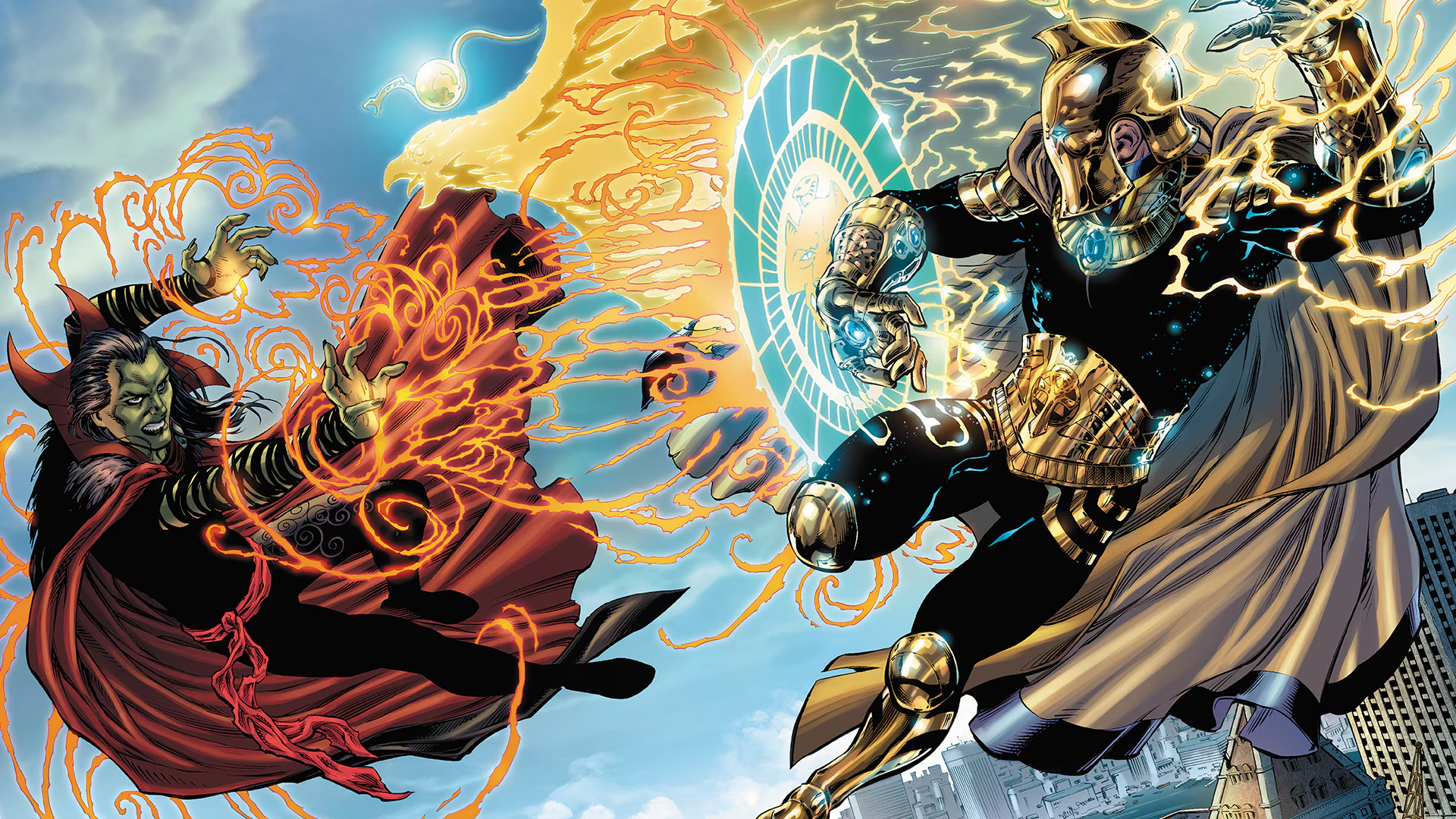
DC’s Doctor Fate

It’s Time for DC to Pick Up the Helmet

The DC/Marvel: Batman/Deadpool #1 crossover proved that fans are hungry for high-level magic stories. But let’s be clear about what we want. We don’t need another comic where Doctor Fate just shows up in the last five pages to teleport the Justice League to safety because the writer couldn’t figure out a different ending. That isn’t a good use for Doctor Fate; that’s just making him a Cosmic Uber Driver with extra steps.

When Doctor Fate steps onto the page, the air in the room should change. It should feel dangerous. We need a story about the true cost of that power. I’m talking about the horror of waking up three days later with no memory of what your body did because Nabu decided to fight a war in a different dimension. I’m talking about the tragedy of a man who can rewrite the universe but can’t fix his own marriage because the Helmet demands total detachment. That is the human element that would make Doctor Fate’s stories resonate more with the general audience.

DC has a character that looks better than Doctor Strange, hits harder than Doctor Strange, and has a deeper lore that predates the Marvel Universe entirely. But until they stop treating the Helmet like a shiny prop and start treating it like a character with its own terrifying agenda, the Gold and Blue is going to stay on the shelf. The magic is right there, DC. Just pick up the helmet.

Does Doctor Fate deserve the spotlight? Let us know in the comments.
A golden armored character stands with arms outstretched, radiating light, surrounded by ancient Egyptian motifs, symbolizing power and transformation.

The Doctor Fate Problem: DC Has a ‘Superman of Magic’ and No Idea How to Use Him

December 7, 2025

If you picked up the historic DC/Marvel: Batman/Deadpool #1 crossover last month, you probably flipped straight to the backup story. You know the one I’m talking about—the James Tynion IV and Scott Snyder joint titled “A Magician Walks Into a Universe.” It was perfect. You had Doctor Strange’s pompous, high-fantasy “By the Hoary Hosts of Hoggoth!” energy clashing beautifully with John Constantine’s grimy, chain-smoking cynicism inside the Sanctum Sanctorum. It was a masterclass in magical contrast that proved just how much fans love seeing these archetypes butt heads.

But as I put the book down, I couldn’t help but feel a little bitter. Because while Marvel’s Sorcerer Supreme is out here getting superstar crossovers and movie trilogies, DC’s heavy hitter (the guy who actually rivals Strange in power) is nowhere to be found.

We are deep into the “All In” era with the Justice League back in action, yet Doctor Fate remains a ghost. Yes, he shows up in the background now and then, but it’s baffling to me that DC is sitting on the coolest design in comics (gold helmet drip is undefeated), yet they treat him like a glorified plot device. DC’s “Superman of Magic” is currently the biggest wasted asset in the industry, and frankly, the excuses for benching him are starting to wear thin.

Doctor Fate vs Wotan

The “Too Powerful” Myth: Why DC Editorial Sidelines Nabu

If you corner a DC editor at a convention and ask where the Doctor Fate solo series is, they will almost always give you the same tired answer: “He’s too powerful to write.” Their logic goes like this: When you put on the Helmet of Fate, you stop being a person and become Nabu, a Lord of Order. You lose your humanity, your emotions, and your flaws, essentially becoming a magical robot who fixes reality with a wave of his hand. They argue that it is impossible to write a compelling drama about a guy who has no mortgage, no girlfriend, and no fear of death.

However, this isn’t the bug they think it is, and if you look at the current market, they would see it is actually the character’s most interesting feature. Marvel figured this out decades ago with the Hulk. They know the real drama isn’t about the monster; it’s about the man trying to hold back the monster. We are living in the golden age of the “internal monologue,” and Doctor Fate is primed for the exact solution that is currently selling like crazy for other publishers.

Readers love characters who are at war with themselves. We see it with Jaime Reyes in Blue Beetle, with the resurgence of Moon Knight, and especially with Eddie Brock in Venom. The dynamic of a human host arguing with an alien passenger is a proven, bestselling formula. It allows for banter, exposition, and deep character growth without needing a sidekick in the room. DC keeps writing Fate as a generic wizard casting spells when they should be writing a psychological thriller about a human host arguing with the alien voice in their head.

Imagine a book where the conflict isn’t just Good vs. Evil, but Empathy vs. Efficiency. This is where the horror elements come in. You could have a host—let’s say the medical doctor Khalid Nassour—who wants to use his god-like power to cure a kid’s cancer, stop a mugging, or hold up a collapsing building. But in his ear, he has Nabu screaming that individual lives are statistically irrelevant to the Cosmic Order. The host is desperate to save them, while the Helmet demands they be left to die because their death corrects an imbalance in the timeline. That isn’t a boring Superman story; that is a hostage situation taking place inside a superhero’s skull. It turns the ultimate power fantasy into a terrifying battle for free will, where every time the hero summons the magic to save the day, they have to negotiate with a god who wants to erase them.

DC’s Doctor Fate (Kent Nelson & Khalid Nassour)

Khalid Nassour: The Medical Doctor Who Solves the “Humanity” Issue

The most frustrating part of this entire situation isn’t that DC lacks the ideas; it’s that they have the perfect leading man already parked on the bench, and they are refusing to put him in the game. Khalid Nassour, Kent Nelson’s grand-nephew, has been floating around the Justice Society books and Justice League Dark backup strips for years now. But Khalid isn’t just another sorcerer in a cape—he is an actual, practicing medical doctor. And that distinction changes everything.

This setup is absolute narrative gold because it creates a conflict we haven’t seen before: The Man of Science versus The Lord of Magic. Think about the dramatic potential of that specific clash. Khalid is bound by the Hippocratic Oath to “do no harm” and to save every single patient he touches. Nabu, on the other hand, is a cosmic entity who views death as just another part of the necessary equation. Khalid wants to triage the patient to save the person; Nabu wants to excise the infection to save the universe, even if it kills the host.

By actively ignoring Khalid’s background, DC is robbing Doctor Fate of the one thing that makes high-concept magic characters relatable: the struggle of having a day job. We love Spider-Man because he has to pay rent. We love Daredevil because he has to get to court in the morning. A solo series about Khalid trying to survive a brutal residency at a Brooklyn hospital—running on no sleep, fueled by bad coffee, and trying to hide the fact that he just spent all night fighting demons in the 4th Dimension—grounds the character in a way Kent Nelson never could.

It is baffling that DC has a character who essentially solves the “God Problem” by grounding it in the gritty reality of an ER room, yet they treat him like an afterthought. They have a Spider-Man formula sitting right there (a young, stressed-out hero trying to balance his responsibility to his family, his job, and the cosmos), and they are leaving it on the shelf.

Wontan vs Earth 2’s Doctor Fate (Khalid Nassour)

The Rejected Tom King Pitch: DC’s Missed Opportunity

We know that top-tier talent wants to fix this, and we have the receipts to prove it. A few years ago, Tom King (the writer behind modern masterpieces like Mister Miracle, The Vision, and Supergirl: Woman of Tomorrow) pitched a darker, psychological Doctor Fate series to DC editorial. And he didn’t just pitch it alone; he wanted to do it with his frequent collaborator Mitch Gerads.

For context, King and Gerads are the team that won Eisner Awards for Mister Miracle, a book that took a goofy Jack Kirby character and turned him into a profound exploration of trauma, depression, and domestic life. That is exactly the energy Doctor Fate needs. King explicitly confirmed in an interview on the Word Balloon podcast that he had a “cool Doctor Fate pitch” ready to go. The concept likely would have deconstructed the man inside the helmet, exploring the horrifying isolation of being an Agent of Order, much like how The Vision explored the horror of an android trying to be a suburban dad.

They turned him down. According to King, editorial steered him away from the project because they wanted him on the flagship title, Batman. From a business standpoint, you can see the logic; you put your biggest star on your biggest book. But from a creative standpoint, it is a tragedy. When you have an Eisner-winning writer begging to revitalize a B-list character, and you say no because you’d rather publish a fifteenth Batman title, you aren’t protecting the brand. You’re stagnating it. You are telling creators that unless they are writing the Trinity, their passion projects don’t matter. We missed out on what could have been the definitive Doctor Fate run of the 21st century, all because DC was too afraid to take a risk on the helmet.

DC’s Doctor Fate

It’s Time for DC to Pick Up the Helmet

The DC/Marvel: Batman/Deadpool #1 crossover proved that fans are hungry for high-level magic stories. But let’s be clear about what we want. We don’t need another comic where Doctor Fate just shows up in the last five pages to teleport the Justice League to safety because the writer couldn’t figure out a different ending. That isn’t a good use for Doctor Fate; that’s just making him a Cosmic Uber Driver with extra steps.

When Doctor Fate steps onto the page, the air in the room should change. It should feel dangerous. We need a story about the true cost of that power. I’m talking about the horror of waking up three days later with no memory of what your body did because Nabu decided to fight a war in a different dimension. I’m talking about the tragedy of a man who can rewrite the universe but can’t fix his own marriage because the Helmet demands total detachment. That is the human element that would make Doctor Fate’s stories resonate more with the general audience.

DC has a character that looks better than Doctor Strange, hits harder than Doctor Strange, and has a deeper lore that predates the Marvel Universe entirely. But until they stop treating the Helmet like a shiny prop and start treating it like a character with its own terrifying agenda, the Gold and Blue is going to stay on the shelf. The magic is right there, DC. Just pick up the helmet.

Does Doctor Fate deserve the spotlight? Let us know in the comments.
Share:

Comments

Leave the first comment

<!-- if comments are disabled for this post then hide comments container -->
<style> 
<?php if(!comments_open()) { echo "#nfps-comments-container {display: none !important;}"; }?>
</style>