Phase 3 of the Marvel Cinematic Universe delivered some of its strongest films, including Captain America: Civil War, Thor: Ragnarok, and Avengers: Endgame. Yet, in terms of cultural impact, no film matches the original Black Panther. It not only surpassed a billion dollars at the box office but also became the first Marvel film nominated for Best Picture at the Academy Awards. The movie was a global phenomenon thanks to its compelling characters, engagement with real-world themes, and the richly developed, unique setting of Wakanda. Although the franchise has grown with Black Panther: Wakanda Forever, Wakanda remains a location ripe for further exploration. This promise is fulfilled with Eyes of Wakanda, an animated anthology delivering four distinct stories that deepen the MCU’s richest world.
Marvel Studios Animation delivers a bold and visually stunning addition to Disney+, focused on the Hatut Zeraze, Wakanda’s covert operatives. While the animation excels with style and flair, the storytelling occasionally falters, resulting in a captivating but uneven series.
Created by longtime Marvel storyboard artist Todd Harris, written by comic book writers Geoffrey Thorne and Marc Bernardin, and directed by John Fang and Harris, the series features self-contained stories set against the backdrop of key historical periods, including the Bronze Age, the Trojan War, the Ming Dynasty, and the First Italo-Ethiopian War.
Disney+
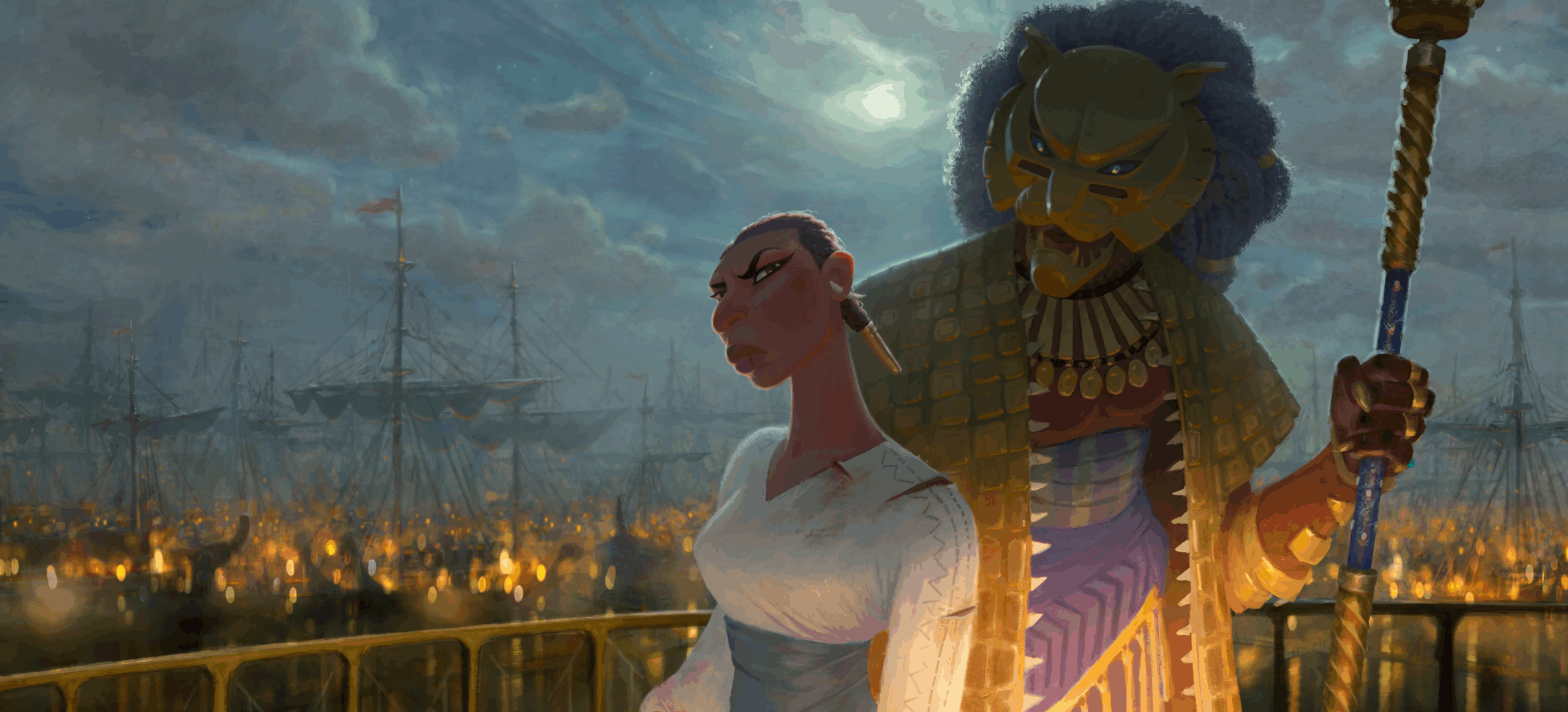
The first episode, “Into the Lion’s Den,” centers on Noni, a former Dora Milaje candidate voiced by Winnie Harlow, who emerges as a sharp and determined figure amid the story’s moral and ideological conflict. She is tasked with confronting a rogue Wakandan known as the Lion (voiced by Cress Williams), helping establish the series’ core themes. The story revisits a key debate from Black Panther: whether Wakanda’s isolationist stance has done more harm than good in a world that could benefit from its advanced technology. Like Killmonger, the Lion challenges the secrecy surrounding Vibranium, questioning why it remains hidden while others suffer. However, both characters fail to fully acknowledge the potential dangers of unleashing such power without oversight.
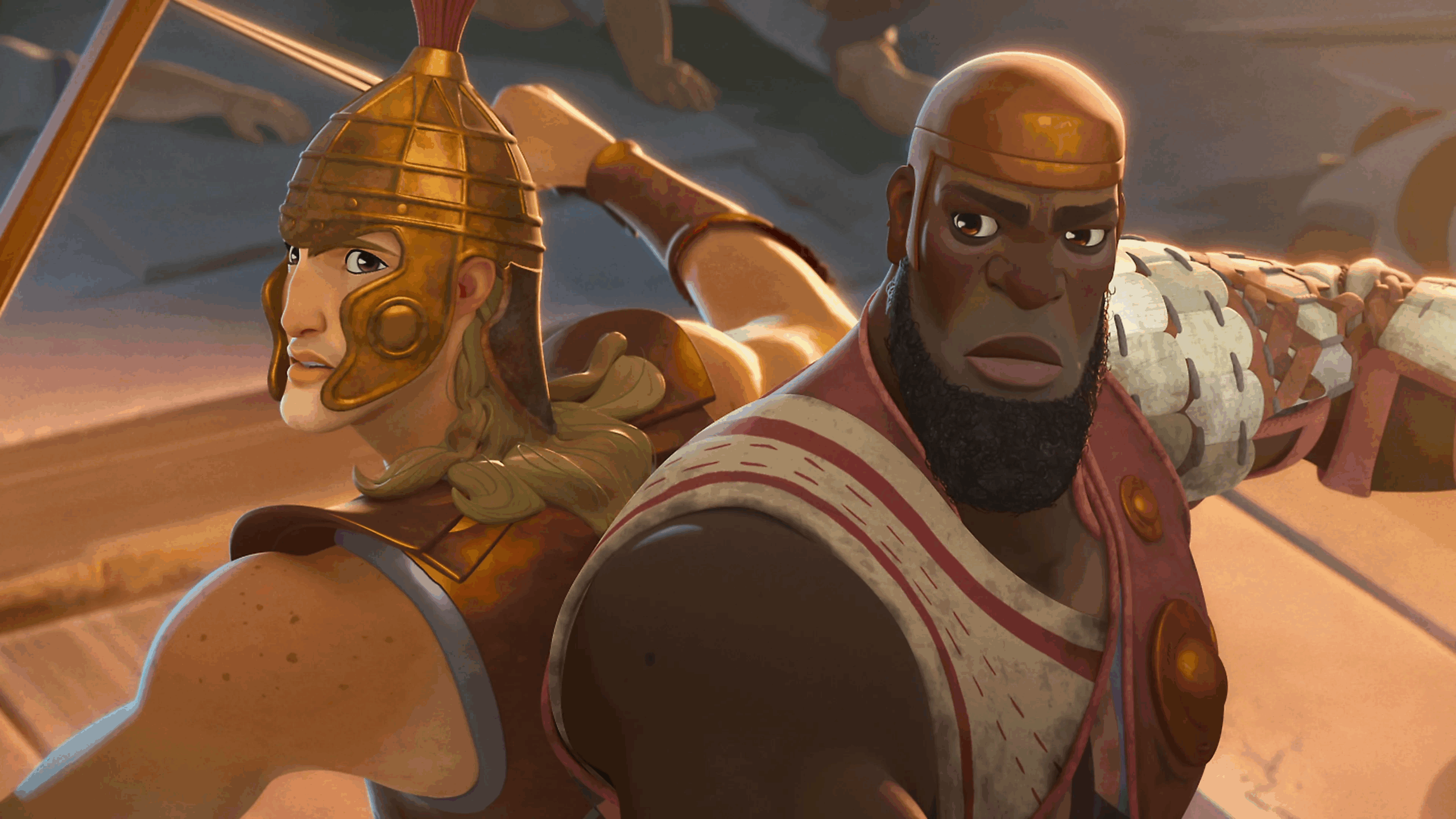
The second episode, “Legends and Lies”, reveals that the Trojan War took place within the MCU, though with notable differences from Homer’s Iliad. Iconic figures like Odysseus, Achilles, King Priam, Helen, Paris, and the Trojan Horse all appear as a Wakandan soldier joins their ranks to recover a stolen artifact. Posing as “Memnon,” War Dog B’Kai allies with Achilles, forming a deep bond that ultimately ends in betrayal and tragedy. The name Memnon nods to Agamemnon, a famed Greek warrior. This episode effectively blends Marvel lore with Greek mythology, offering a grounded take on ancient history while examining themes of duty, loyalty, and personal loss. With a focused emotional journey and rich storytelling, it stands out as a powerful chapter that broadens Wakanda’s cultural and historical impact.
Disney+
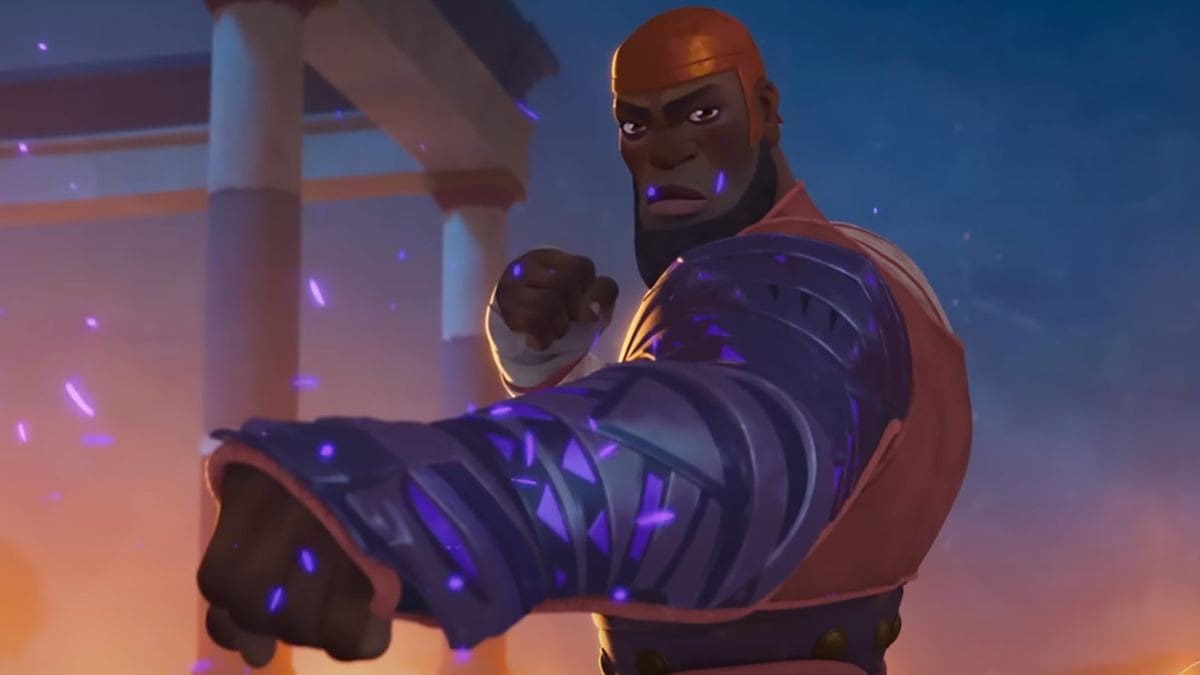
Episode, “Lost and Found”, three follows War Dog Basha, whose mission leads to a clash with a mystical warrior sworn to protect his secret homeland. This episode reintroduces Iron Fist in a bold, animated take set in the main MCU timeline, not an alternate universe like What If…? season 3’s Western-themed Kwai Jun-Fan. The new Iron Fist, Jorani, is presented as one of the earliest known holders of the mantle, which she earns by defeating the legendary dragon Shou-Lao the Undying. A standout action sequence unfolds on a monorail hover system reminiscent of the tech in Black Panther (2018). The episode dives into the ideological divide between Basha and Jorani, highlighting their differing views on duty and power. In doing so, it deepens the mythology of Wakanda while tying it to the mystical realms of the Marvel Universe.
The fourth and final episode, “The Last Panther”, serves as a direct prequel to the original Black Panther film, but struggles to match the strength of the previous entries. While earlier episodes effectively balanced storytelling and worldbuilding within a limited runtime, the finale’s focus on time travel introduces complex ideas that feel rushed and underdeveloped. Additionally, its depiction of time travel diverges from previously established MCU rules, creating inconsistencies within the broader franchise. Though not without merit, the episode’s pacing and narrative scope make it less cohesive than the rest of the anthology, resulting in a less impactful finish. The Watcher makes a silent cameo, seen observing Wakanda from above, right after the opening credits. Continuing his streak of animated MCU appearances since What If…? Season 1, this appearance lacks dialogue, meaning Jeffrey Wright does not reprise his role as the cosmic observer in this installment.
Disney+
The best thing about Eyes of Wakanda is how it showcases a vibrant visual style that enhances the storytelling and reflects the richness of Wakandan culture. The animation brings energy to each episode, serving as a strong vehicle for action and pacing. Character designs are striking and thoughtfully crafted, while the overall aesthetic captures both the grandeur and mystery of the setting. Though some movements occasionally appear stiff and a few action scenes lack smoothness, the visual experience remains compelling. The series also features a memorable title sequence and an atmospheric score by Hesham Nazih.
Overall, Eyes of Wakanda is the Black Panther’s answer to Predator: Killer of Killers: a time-spanning saga of elite warriors hunting dangerous prey to protect their legacy and sacred artifacts. It stands out as a visually stunning and engaging addition to Marvel Studios Animation’s growing catalog. While its brief four-episode run limits the depth and consistent tone, it effectively introduces Wakanda’s secret spies, the Hatut Zeraze, through vibrant colors, luminous production design, and rich art direction. The series maintains a loose connection to the broader MCU, making it accessible to newcomers without requiring deep Black Panther knowledge. As a short-form anthology, it fits well alongside other smaller Marvel shows like Ironheart and Moon Knight. Though not essential viewing, Eyes of Wakanda is a promising, entertaining exploration of Wakandan lore that leaves fans eager for future expansions in this corner of the MCU.
‘Eyes of Wakanda’ Review: Black Panther Gets His Own Predator: Killer Of Killers Anthology
Eyes of Wakanda is the Black Panther’s answer to Predator: Killer of Killers: a time-spanning saga of elite warriors hunting dangerous prey to protect their legacy and sacred artifacts. It stands out as a visually stunning and engaging addition to Marvel Studios Animation’s growing catalog. While its brief four-episode run limits the depth and consistent tone, it effectively introduces Wakanda’s secret spies, the Hatut Zeraze, through vibrant colors, luminous production design, and rich art direction.