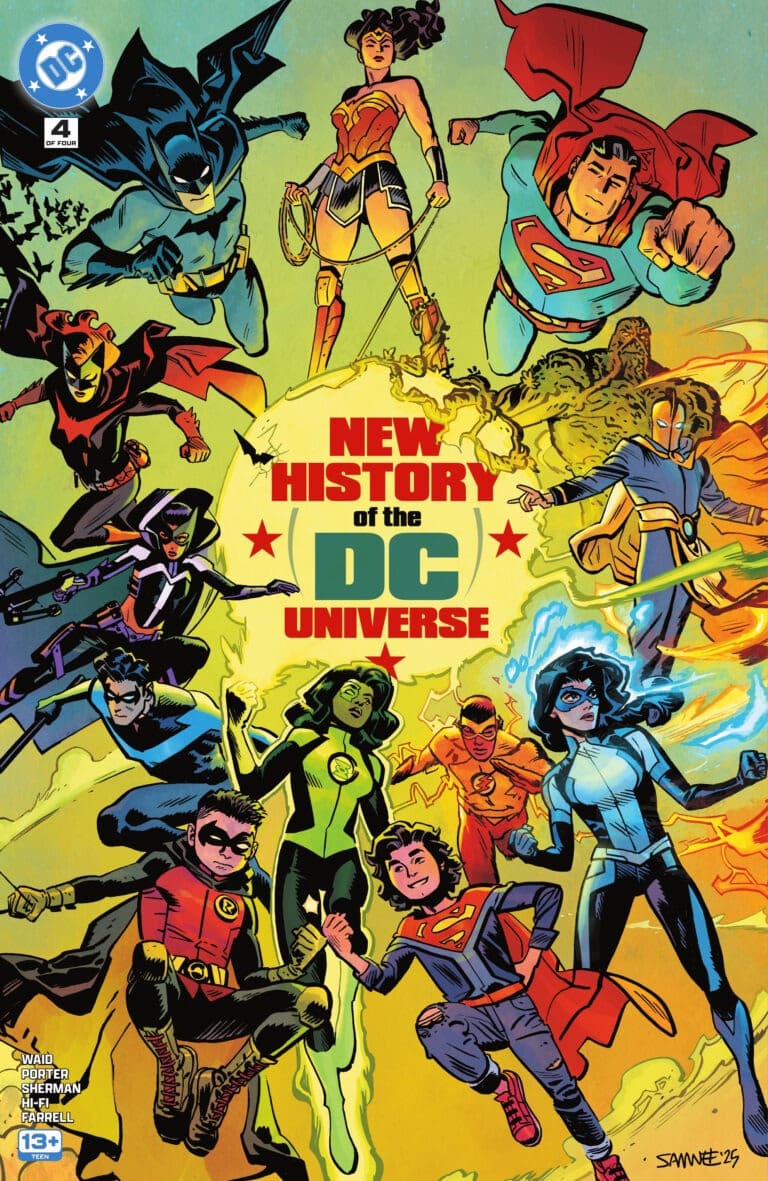
Barry Allen’s chronicle of the DC Universe finally arrives in the present, tracing the aftermath of the reality-shifting Flashpoint and the countless trials that followed. As new dangers, such as Perpetua and the Batman Who Laughs, rise to challenge the heroes, a fresh generation steps forward, with Jon Kent, Wallace West, and Jackson Hyde among them, to carry the torch left by their predecessors. From the fall of gods to the rebirth of legends, this final chapter captures both the weight of legacy and the spark of renewal, culminating in Darkseid’s demise and offering a tantalizing glimpse into what the future holds.
The New History of the DC Universe is most effective when seen as Mark Waid’s personal vision of what the perfect DC Universe could be, rather than as a strict historical account of continuity. It feels designed for new fans who want to know about DC’s past rather than reading the comics themselves. The trouble comes when the book is taken as a definitive guide, since the narrative never quite provides the clarity needed to show how the post-Flashpoint events connect to the current canon. In issue #4, Waid revisits several pivotal moments from that era but continues to pick and choose which stories remain part of DC’s Prime Earth timeline.
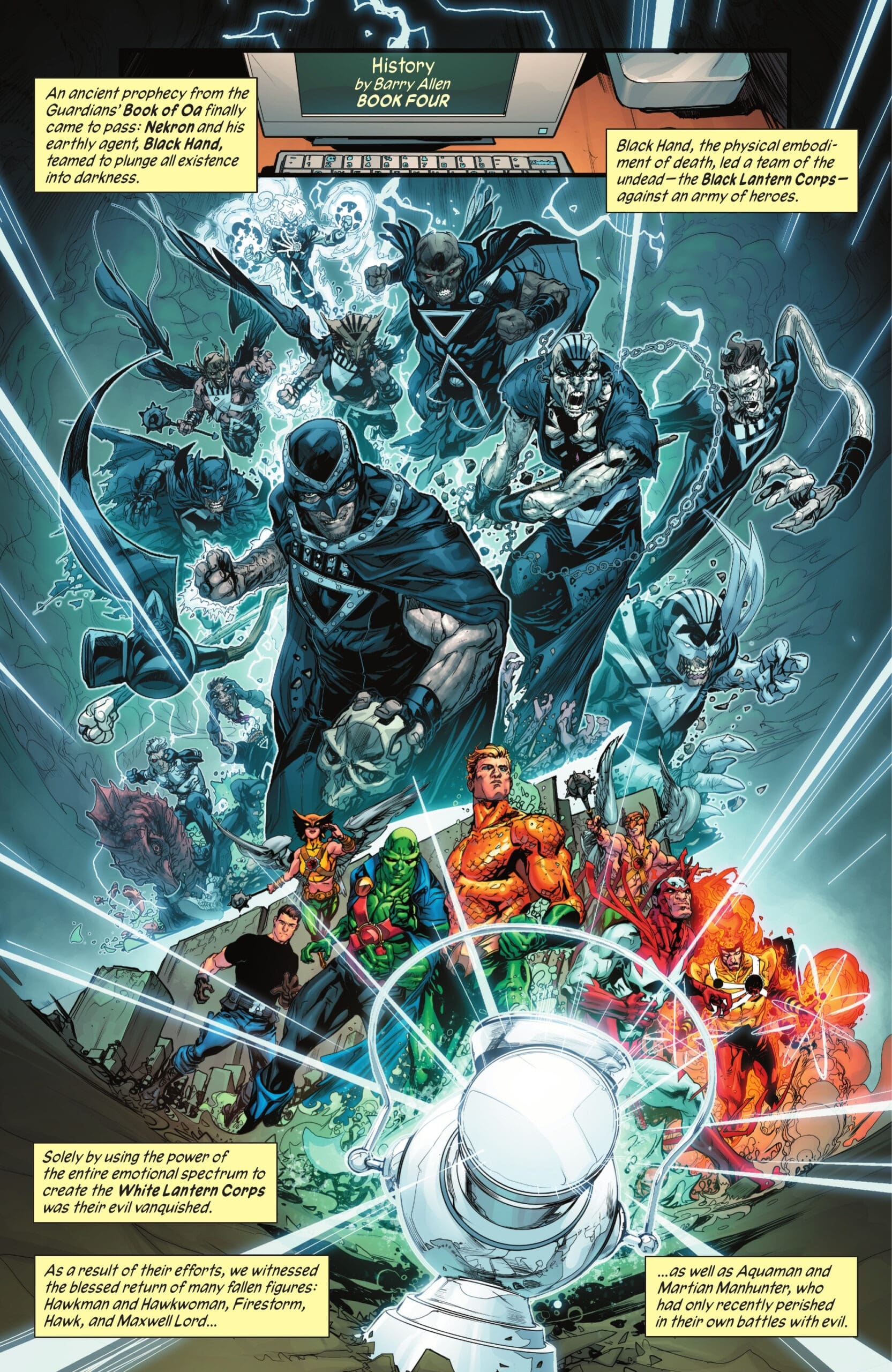
Continuity takes center stage, becoming the story itself rather than a framework for one. It illustrates how DC’s main universe has grown increasingly difficult for casual readers to navigate, effectively catering only to its devoted fan base. What stands out is how swiftly this occurred (just a decade), echoing the controversy once sparked by Crisis on Infinite Earths. More than anything, the chapter highlights missed chances to use the Flashpoint reboot, along with later semi-reboots like Doomsday Clock, Dark Nights: Death Metal, and Dark Crisis on Infinite Earths, as opportunities to genuinely reinvent the brand in a way that could rival the clarity and cohesion of today’s Absolute Universe and Marvel’s Ultimate Universes. In the end, the issue also makes clear why reverting to the post-Crisis status quo was never the solution, particularly since Crisis had already removed the very characters and stories that once breathed life into DC’s continuity.
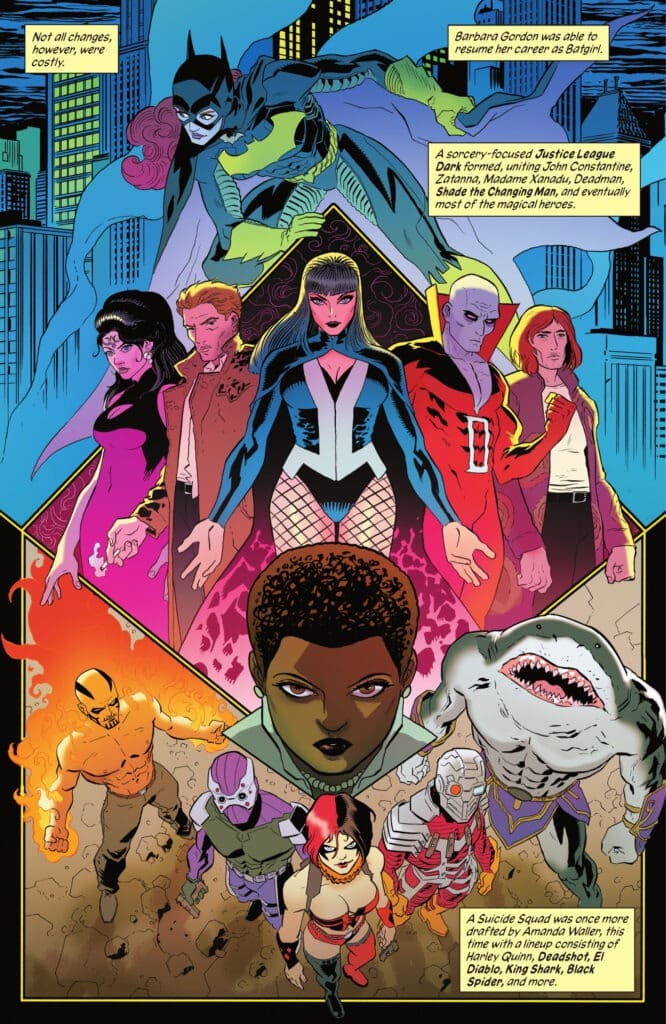
When considered as a full miniseries, New History of the DC Universe highlights DC’s ongoing attempt to piece its fragmented mythology into a cohesive whole. Still, the effort is far from seamless. Careful readers will notice that some elements clash, and certain pieces of the puzzle refuse to fit together neatly. Those seeking clear explanations of where characters like Power Girl belong in continuity will be disappointed. Perhaps what DC truly needs is to acknowledge and embrace the full scope of its publishing history, learning from both its triumphs and missteps. By shifting its focus from fixing the past to developing its individual properties in ways that reach its intended audiences, the brand can finally move forward with purpose.
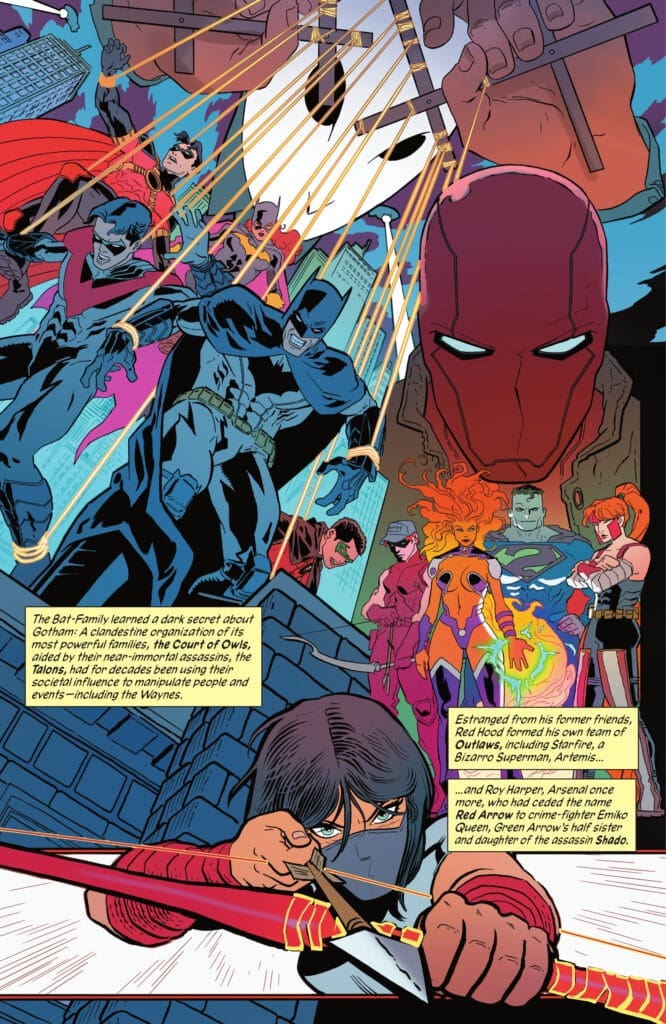
What truly elevates this issue is the breathtaking artwork by Hayden Sherman and Howard Porter. Together, these two DC talents (one an established master and the other an emerging force) deliver visuals that embody the series’ epic ambition. Their collaboration gives the story a grand, immersive quality, with splash pages that feel both vast and alive. Each panel draws readers deeper into the scope of the universe being reshaped before their eyes. As the story closes, the art deepens the sense of mystery, teasing the possibilities of the DCU’s next chapter while capturing Barry’s reflection on the uncertain road ahead.
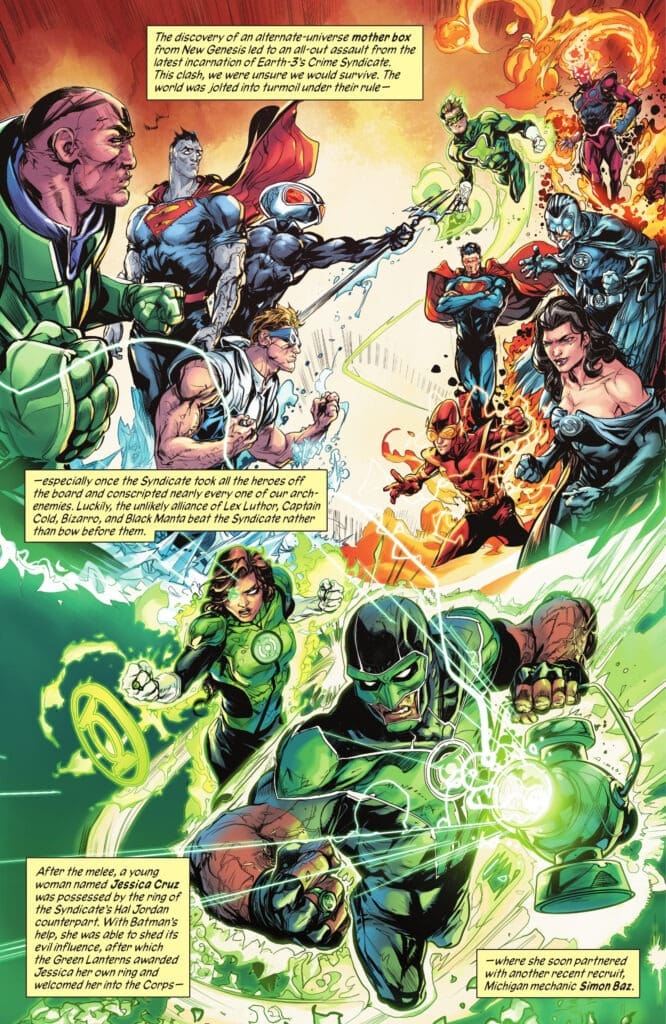
Overall, The New History of the DC Universe #4 offers only a surface-level exploration of the post-Flashpoint era, providing a thoughtful yet limited glimpse into both the successes and the lingering struggles that have hindered DC’s further evolution. Mark Waid revisits many of the era’s defining events with his usual skill, capturing the emotional peaks and pitfalls of a universe repeatedly shaped by crisis. Yet the issue reads more like an abridged summary than a fully realized chronicle. Fortunately, Hayden Sherman and Howard Porter infuse these moments with vivid, dynamic art that ensures each page remains engaging and full of energy.
‘New History of the DC Universe’ #4 Review: Does Waid Fix Post-Flashpoint Continuity?
The New History of the DC Universe #4 offers only a surface-level exploration of the post-Flashpoint era, providing a thoughtful yet limited glimpse into both the successes and the lingering struggles that have hindered DC’s further evolution.