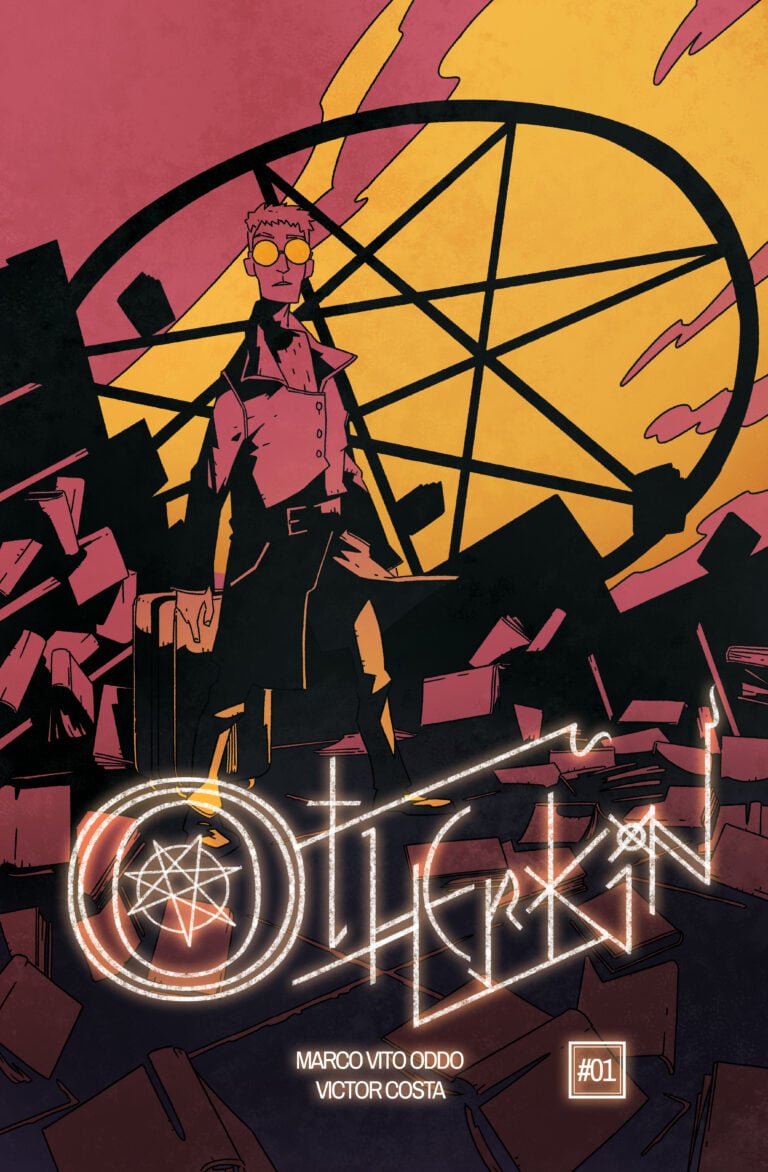
Otherkin may be Marco Vito Oddo and Victor Costa’s first comic book, but it doesn’t feel like it. These two independent creators do it all, handling the writing, art, and even funding with a successful Kickstarter campaign. We hopped on a call with this promising new team to discuss body horror, creative influences, and how self-identity forms the backbone of their story.
What Was the Original Spark Behind Otherkin?
Stan West: There is a significant amount of lore being built in this book. Was the original concept driven by the characters, the world, or the thematic values you wanted to explore?
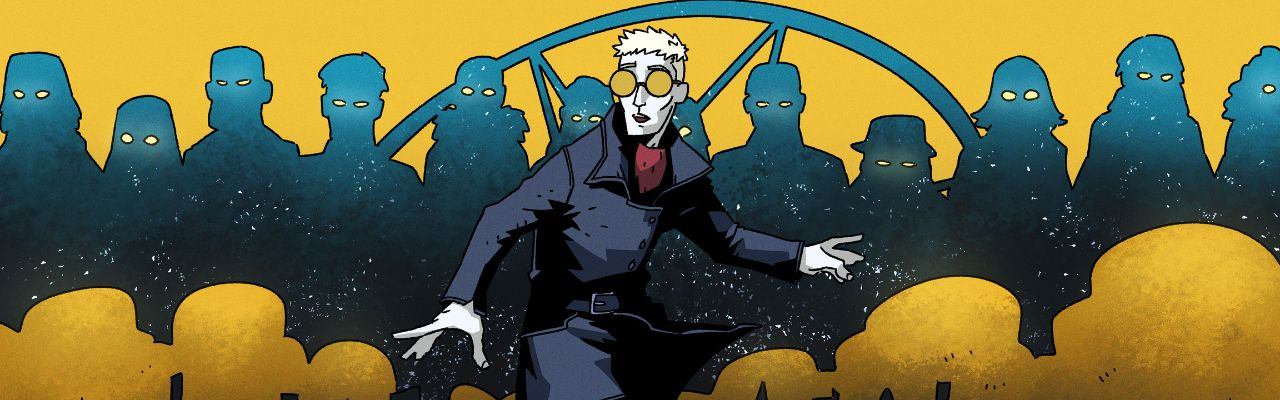
Marco Vito Oddo: It is a funny story that dates back to 2022. Victor and I were working on a hobby video game project with two other friends. It was a roguelike game based on a superhero, and as part of that world’s lore, we created a team of parodies of classic superhero templates. One of those characters was a paranormal investigator named Otherkin. The game project eventually stalled because the scope was too large and we had to focus on paid gigs, but the concept remained.
By 2023, we decided to try something creative together in the comic book medium. Neither of us had produced a comic before, so we studied scripting and paneling by creating a short story about a supernatural dog titled Welcome to the Family. We brought the Otherkin concept out of the drawer to serve as a paranormal investigator in that story. We fell in love with the production process immediately. That seed grew into questions about who this character was and how they ended up in London. Eventually, the character evolved from a John Constantine parody into something much more layered and unique.
How Does the Creative Process Work Between France and Brazil?
Stan West: Marco, you are in France, and Victor, you are in Brazil. How did you two meet, and how do you manage the collaboration across continents?
Marco Vito Oddo: I am originally from Brazil but have lived in France for nine years. We actually met in Brazil during the New Year’s transition of 2016 to 2017. A mutual friend introduced us because Victor didn’t have a place to go for the holiday, and ten years later, here we are.
Victor Costa: It is a very collaborative atmosphere. My approach is to treat it as a visual narrative where we use as few words as possible. Because we have similar but distinct tastes, we can pull the story in different directions to find a balance. I might suggest a dialogue change, and Marco might suggest an art tweak.
Marco Vito Oddo: We work in stages. Before I write a script, I provide Victor with an outline to see how it feels. Victor does the drafts, and we communicate constantly. Even though we have our specific roles, we keep each other in check to ensure we are making the best book possible with the resources we have. Listening to each other is one of the most important parts of getting collaboration.
Why Is Otherkin Set Specifically in 2006?
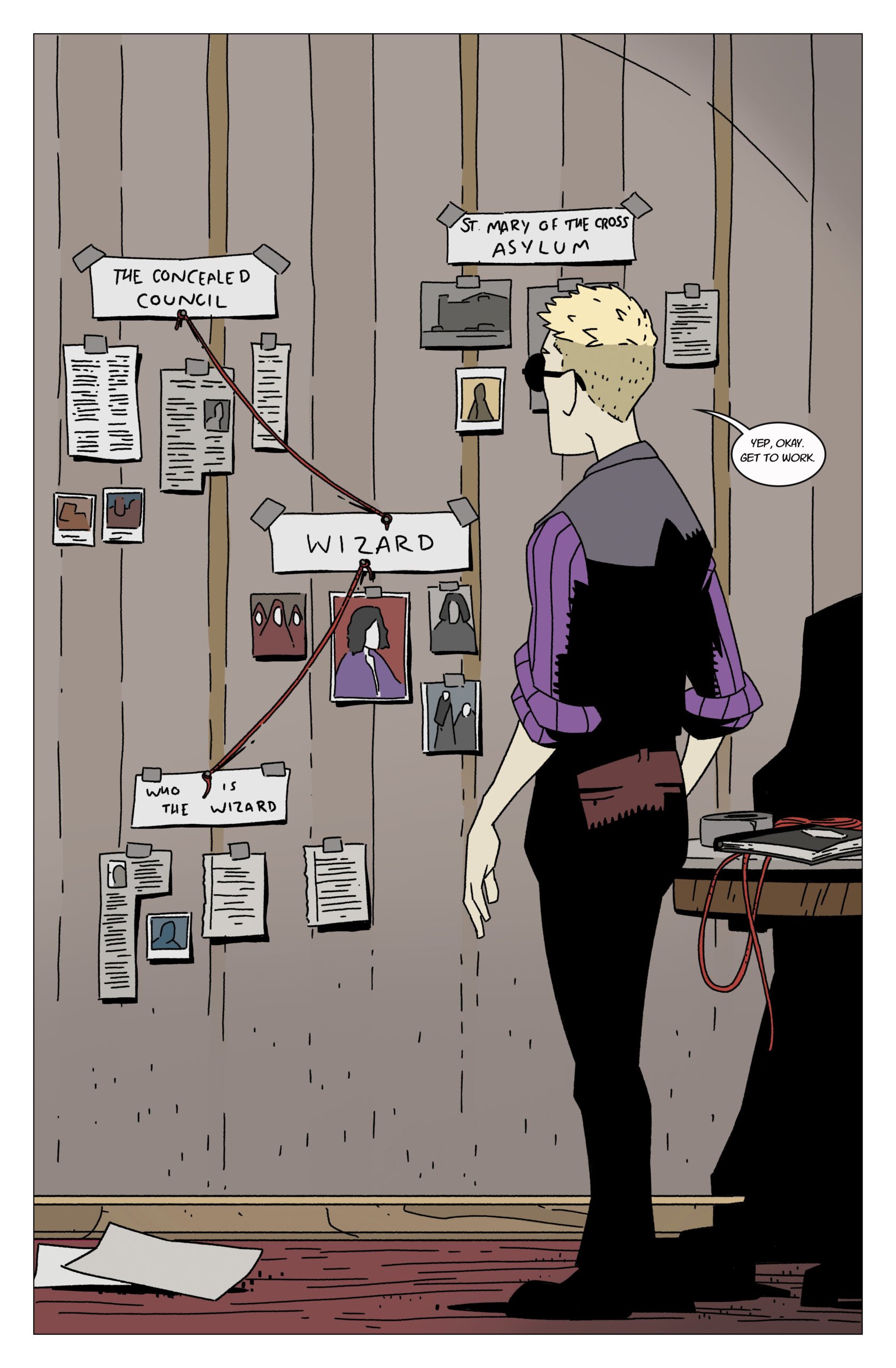
Stan West: I noticed the coroner’s report in the back of the second issue was dated 2006. Why choose the mid-2000s instead of a contemporary setting?
Marco Vito Oddo: Exploring technology and how it affects society is something we’ve always discussed. We chose 2006 because it was the year Apple changed everything with the iPhone. We wanted to set this world before the revolution of the touchscreen. It creates a creative challenge to remain accurate to the technology of the time, and it allows for future stories where the progression of technology will matter more.
Victor Costa: I actually pushed for this because drawing smartphones doesn’t appeal to me. In horror, cell phones can be a bit of a buzzkill because they solve too many problems. You have to constantly make excuses for why a character has no battery or no signal. Setting the story before they were everywhere allows the horror to feel more isolated.

How Do You Balance Body Horror With Self-Discovery?
Stan West: The name Otherkin suggests themes of identity and belonging. How consciously did you weave those metaphors into the narrative alongside the literal monsters?
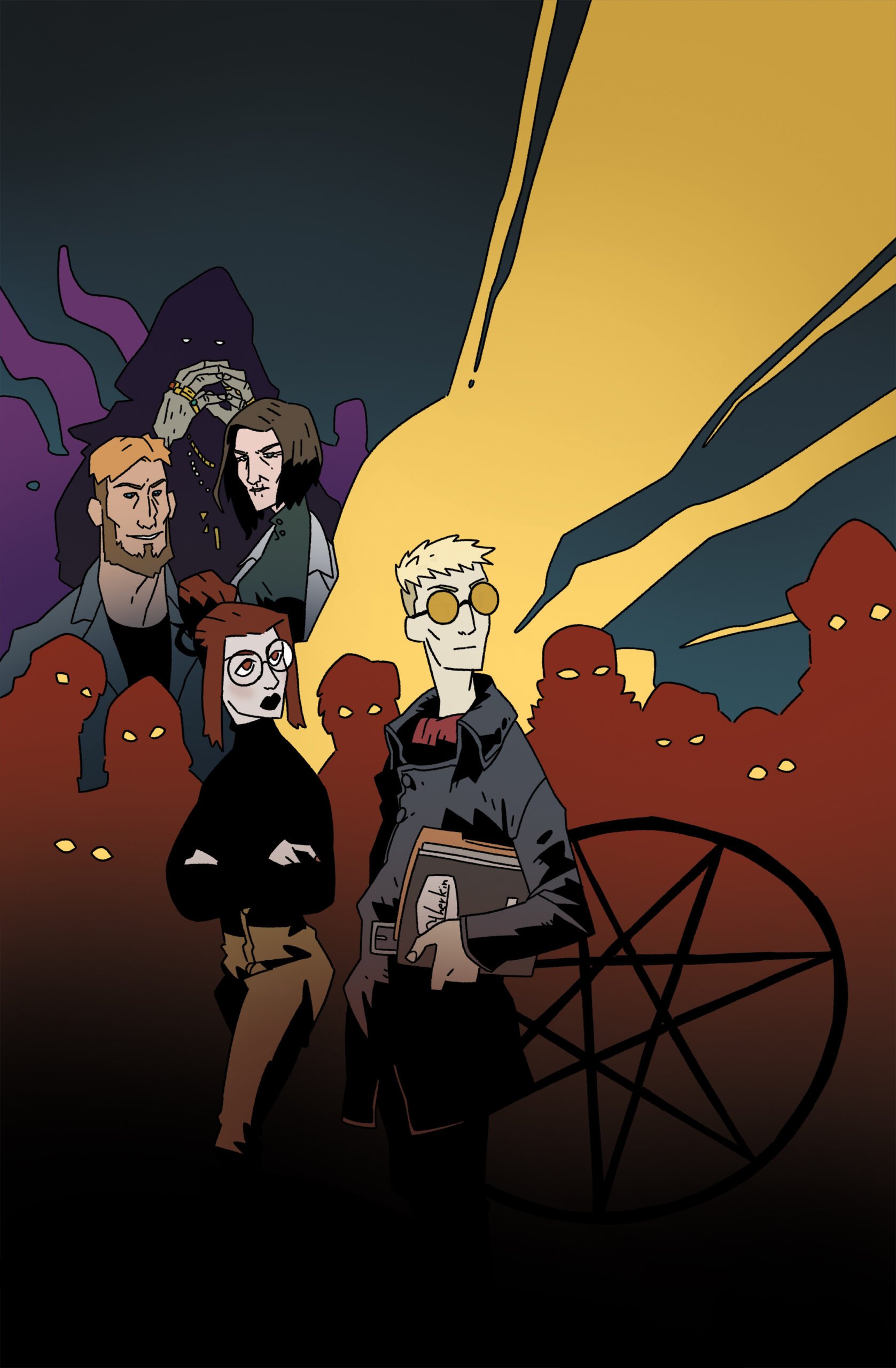
Marco Vito Oddo: Otherkin is a real-world umbrella term for different communities of people who identify as more than human. There are still active communities today but the early 2000s was when it was really popular. While I do not identify as Otherkin, the concept of forging an identity resonates with me. Alex is constantly figuring out who they are and who they want to be. Their need to prove their worth leads them into dangerous situations.
The horror in this first arc is heavily inspired by body horror. Because Alex has a unique physiology, we wanted to show the human body in a way that provokes a strong reaction—veins, organs, and blood vessels. We are not hiding the mystery for the sake of it; this eight-issue arc is designed to give readers an understanding of where Alex came from and why they are being targeted by villains like Damian Sterling.
What Are the Realities of Running an Independent Comic?
Stan West: You have navigated a successful Kickstarter and are handling your own distribution. What has been the biggest surprise about the business side of the industry?
Marco Vito Oddo: Since Victor spends so much time on the illustration, I take on the management, social media, and marketing. I spend about two hours every day after my day job handling communication and planning. It’s part of the gig with independent comics, and important for exposure.
We have recently partnered with DerryComics, a small publisher in the US, to help with the fulfillment of physical copies. It is impossible to ship worldwide from France or Brazil without infrastructure, so these partnerships are essential for indie creators.
Victor Costa: I have worked on other Kickstarters before, and it can be a nightmare [laughs]. I admire Marco for handling that side of things because it allows me to focus on the art.
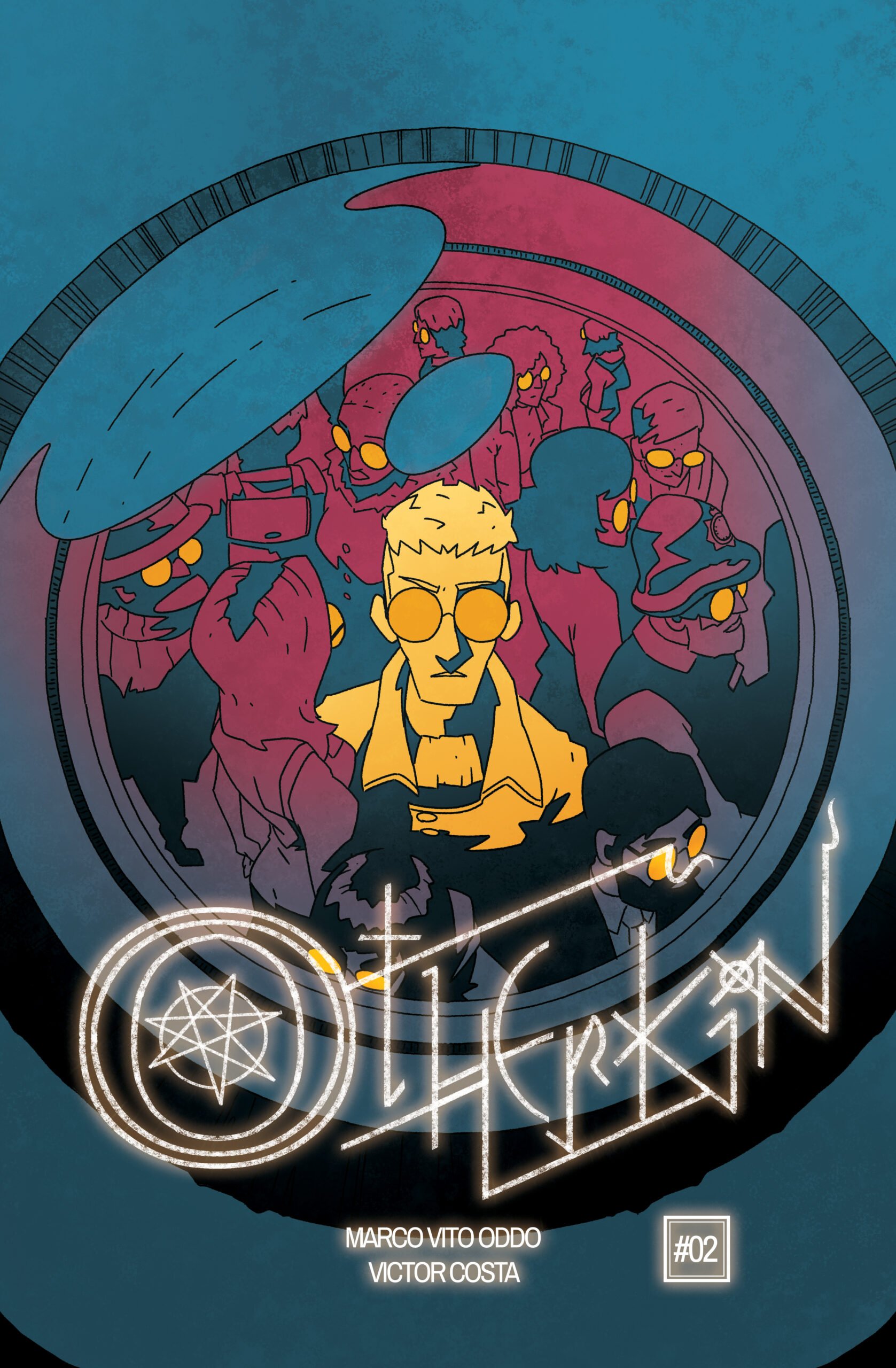
Marco Vito Oddo: We are learning to be professional through this process, even down to coordinating our first variant cover. It’s a huge milestone, and will come out alongside Victor’s cover for issue four on March 18.
The Lightning Round
Stan West: To wrap things up, I have a few quick, “fun” questions for you both. Obviously, horror movies are a big inspiration for you. What’s your favorite horror film?
Victor Costa: I think I have to go with Event Horizon.
Marco Vito Oddo: I’m a big fan of the first Halloween. It set the template for slashers. Lately, I’ve been enjoying Ari Aster’s Midsommar, but it’s hard to choose just one.
Stan West: What would be the dream crossover for your comic?
Victor Costa: It would have to be something that really doesn’t work like Predator. It makes no sense but that would be great!
Marco Vito Oddo: I would go with Swamp Thing. Alan Moore’s run on the character is one of my biggest inspirations because it also deals with body horror and identity.
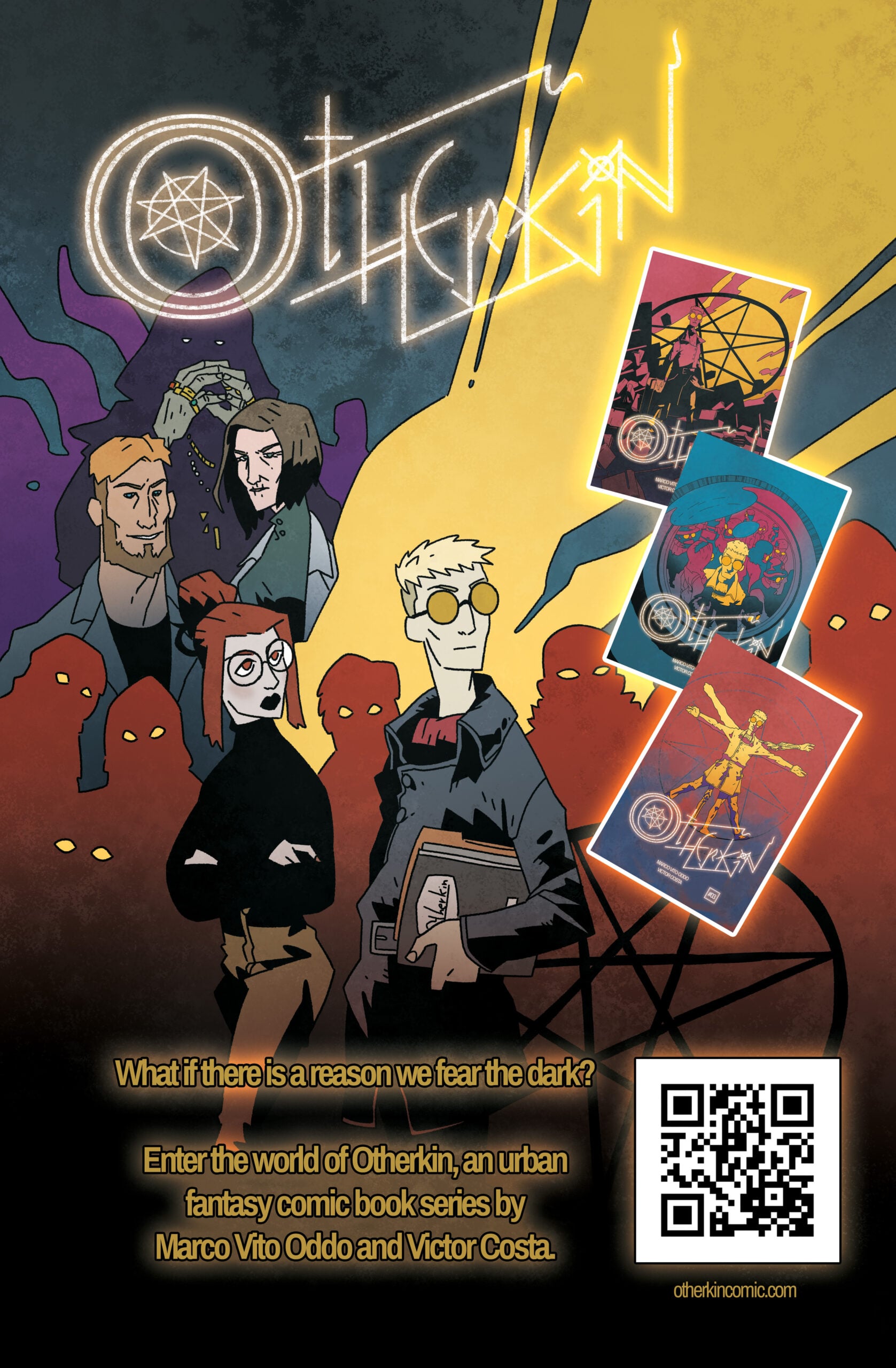
Join the hunt by securing the first three issues of The Otherkin on Amazon today.